How to choose a dog harness
A harness takes the pull off your dog's neck and spreads it across the chest and shoulders. For a lot of dogs that makes walks more comfortable and easier to control: puppies learning to walk on a lead, dogs that pull, small breeds with delicate necks, and flat-faced dogs like pugs and French bulldogs, which can struggle to breathe when a collar presses on the throat.
There's no single best harness, only the right one for your dog. It comes down to three things: the size of your dog, how they walk, and when you walk them.
Dog harnesses by type
Harness and lead sets for puppies and small dogs
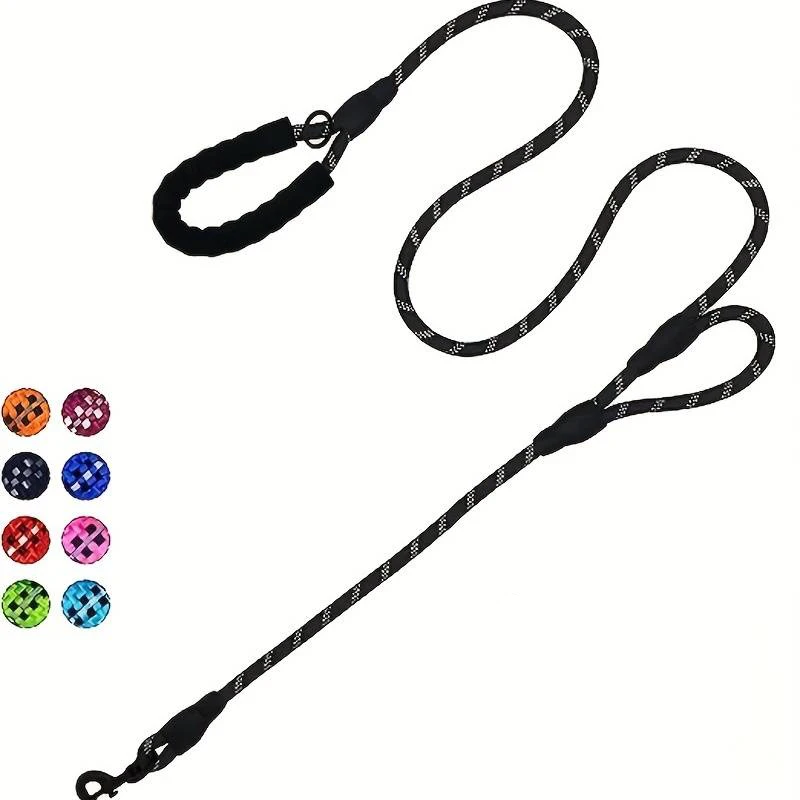
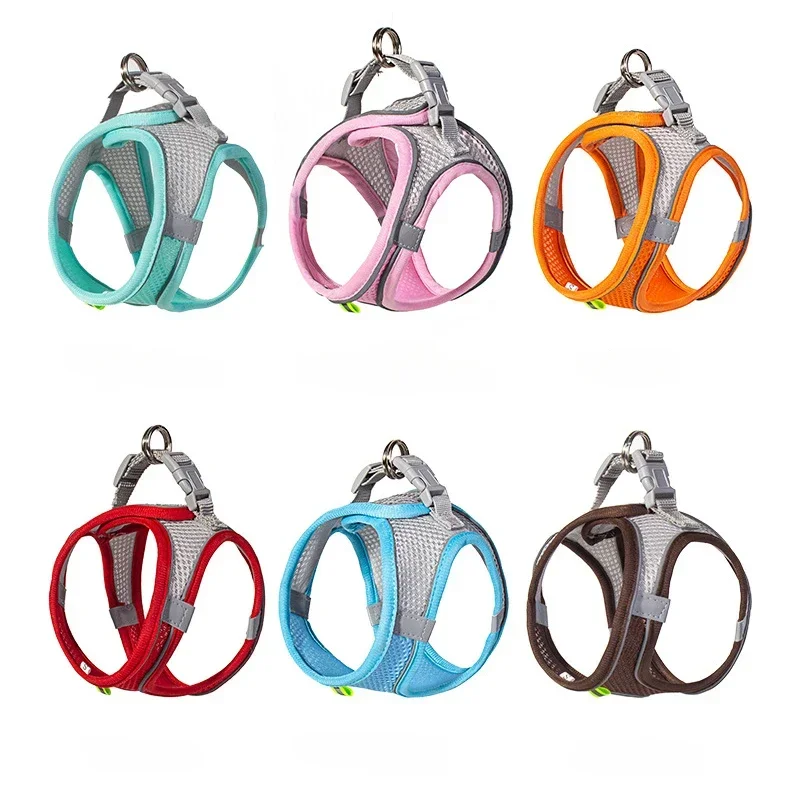
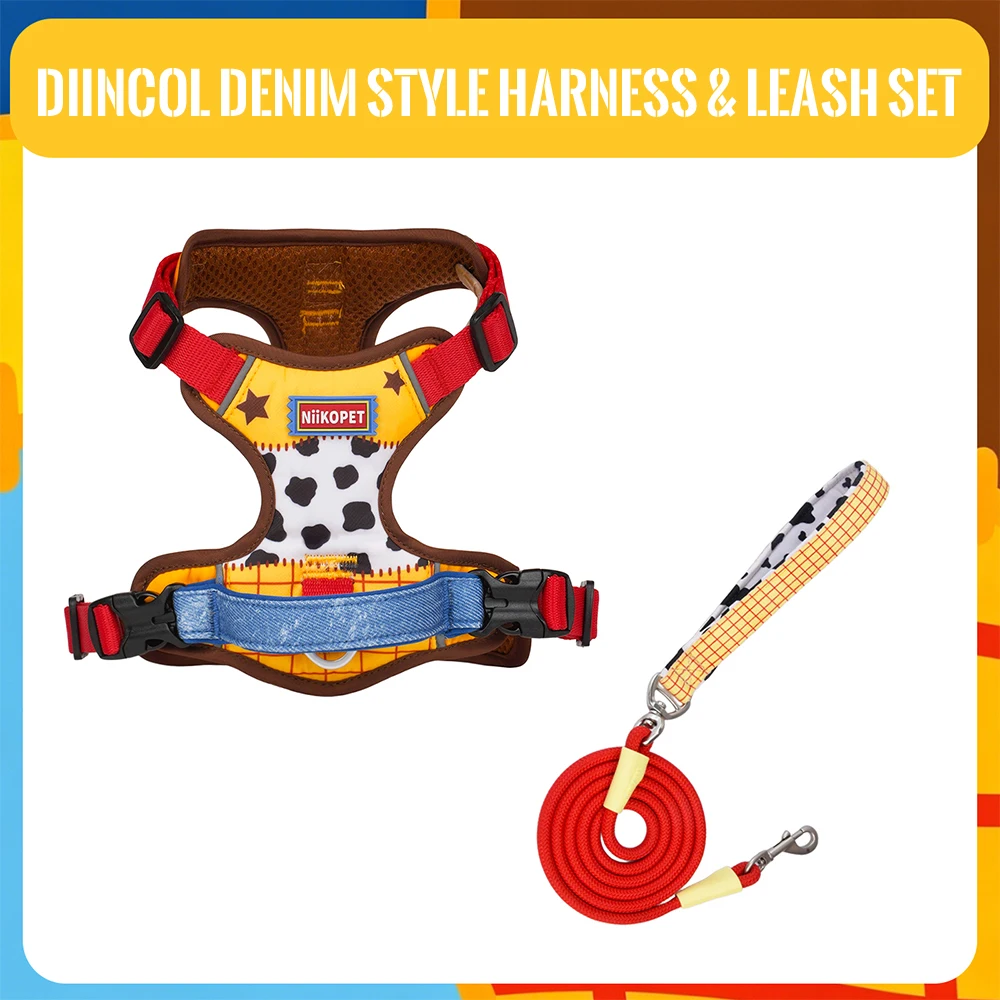
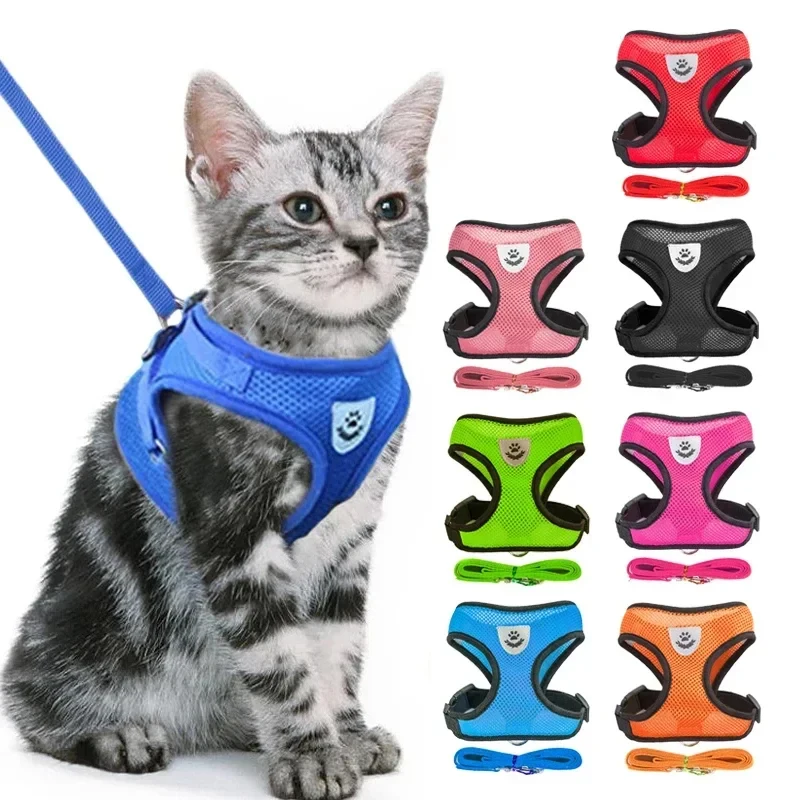
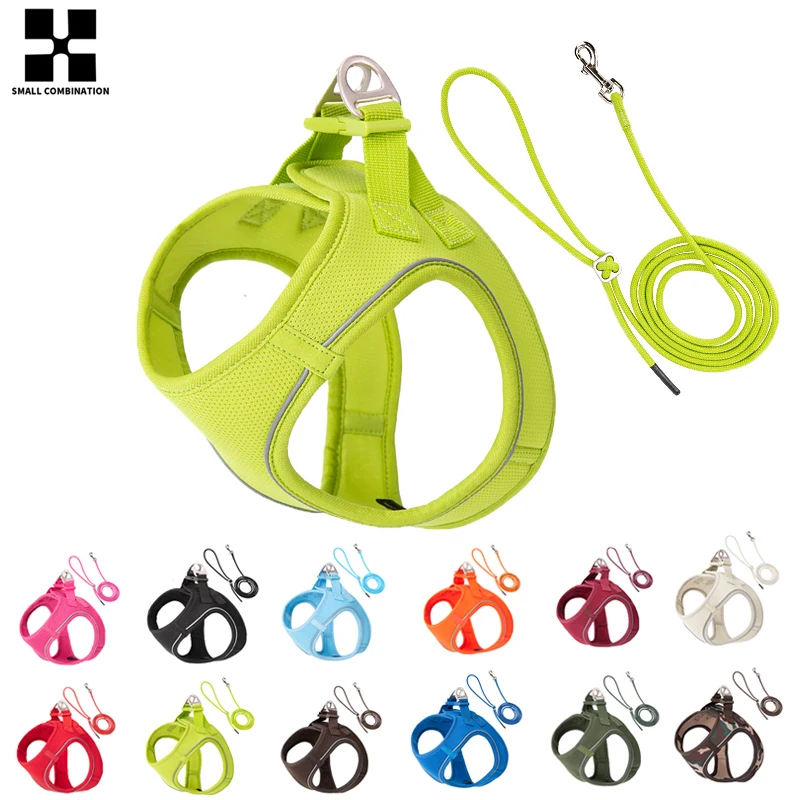
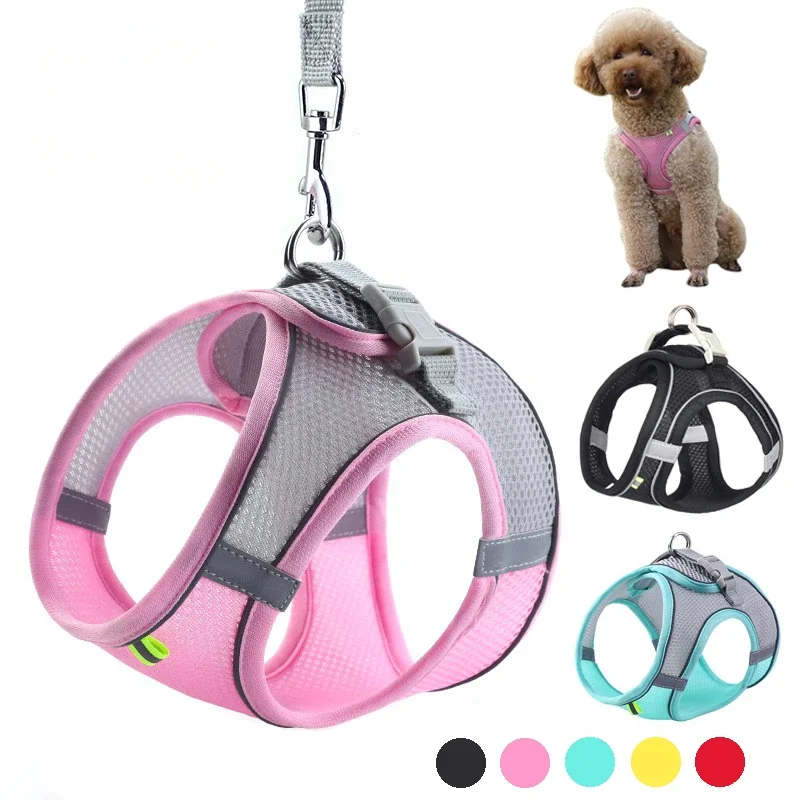
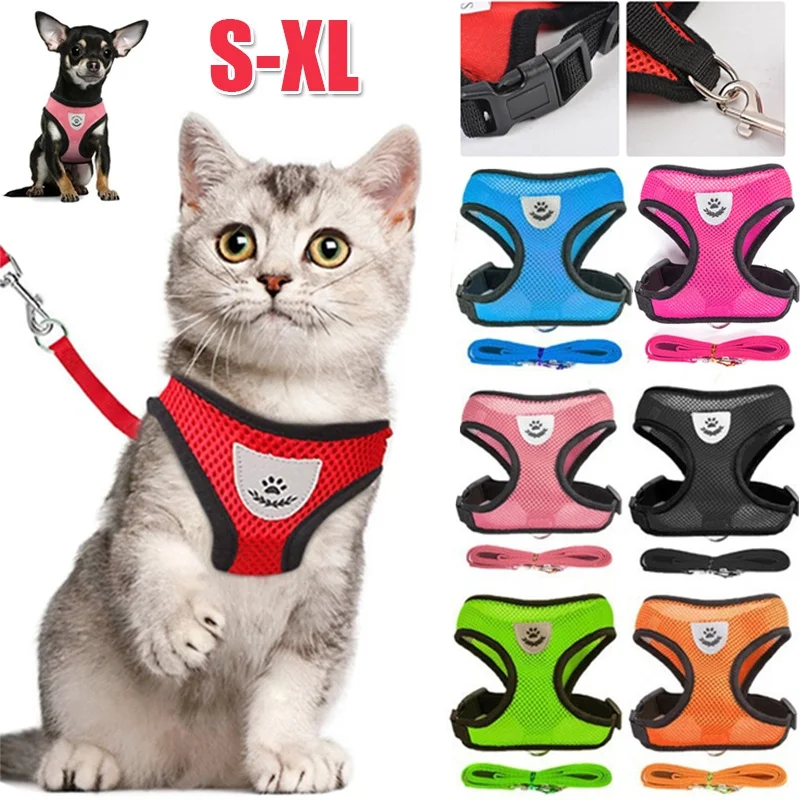
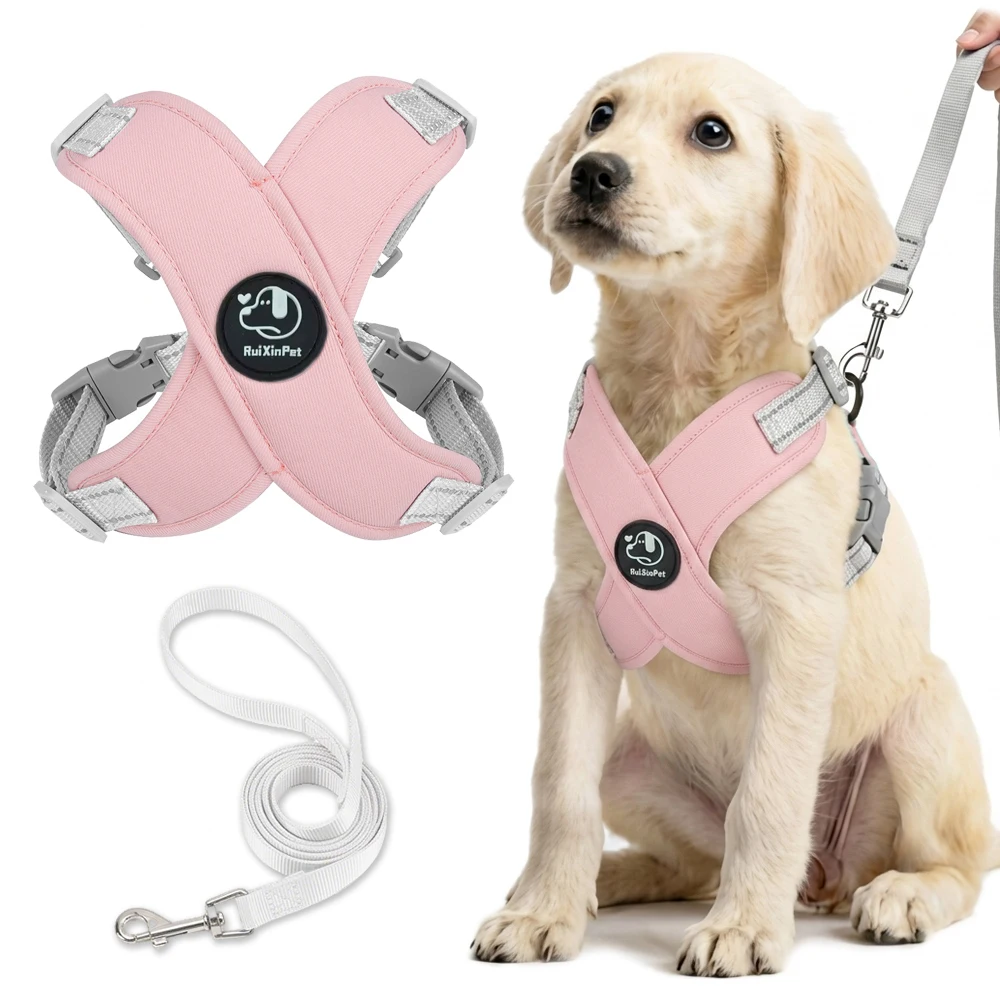
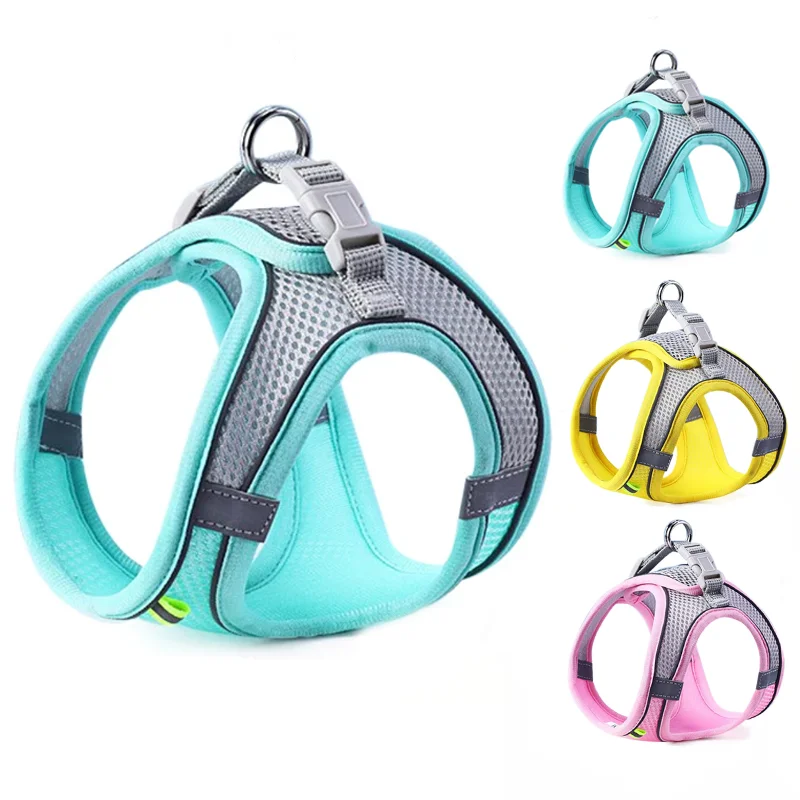
If you're starting from scratch, a set gives you a harness and a matching lead in one go. Ours start at £4.99 and are made for puppies and small breeds, with soft mesh that's light enough not to bother a young dog. Most come in several colours and in sizes from extra small up.
Mesh vest harnesses
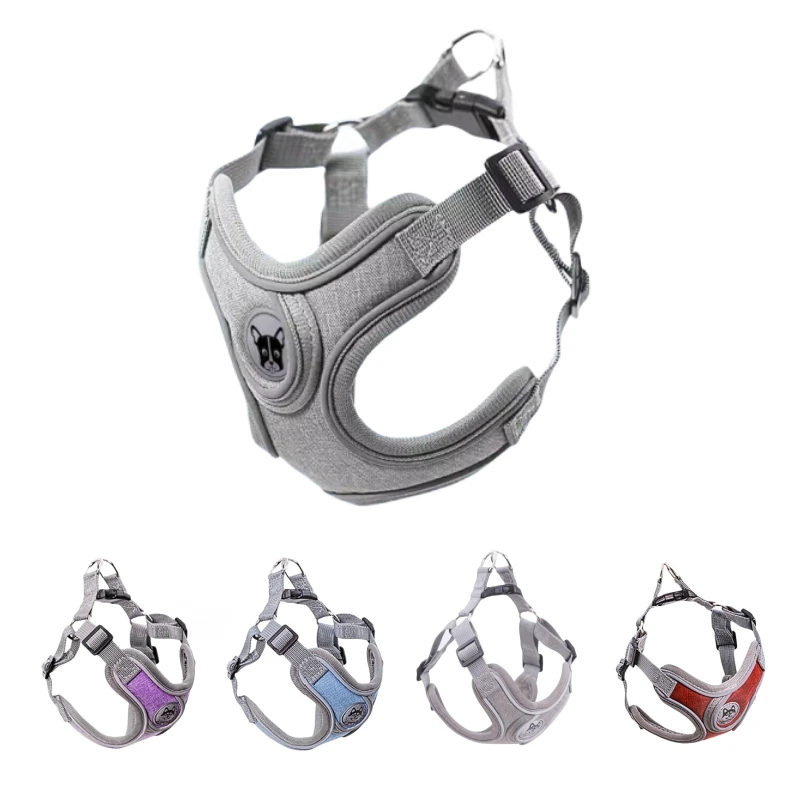
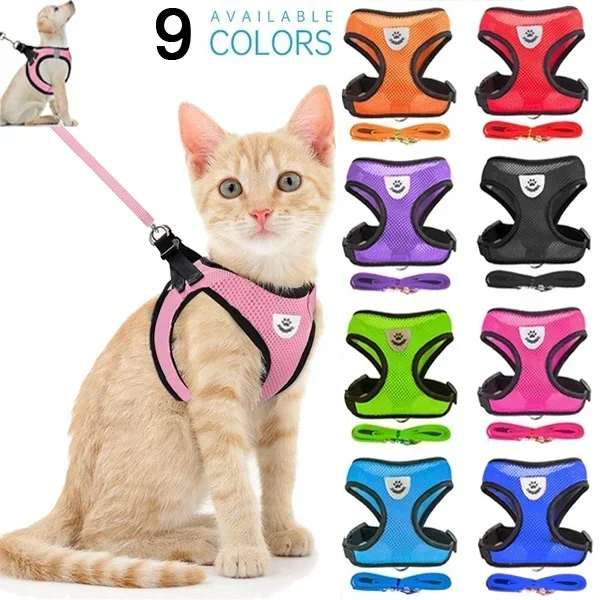
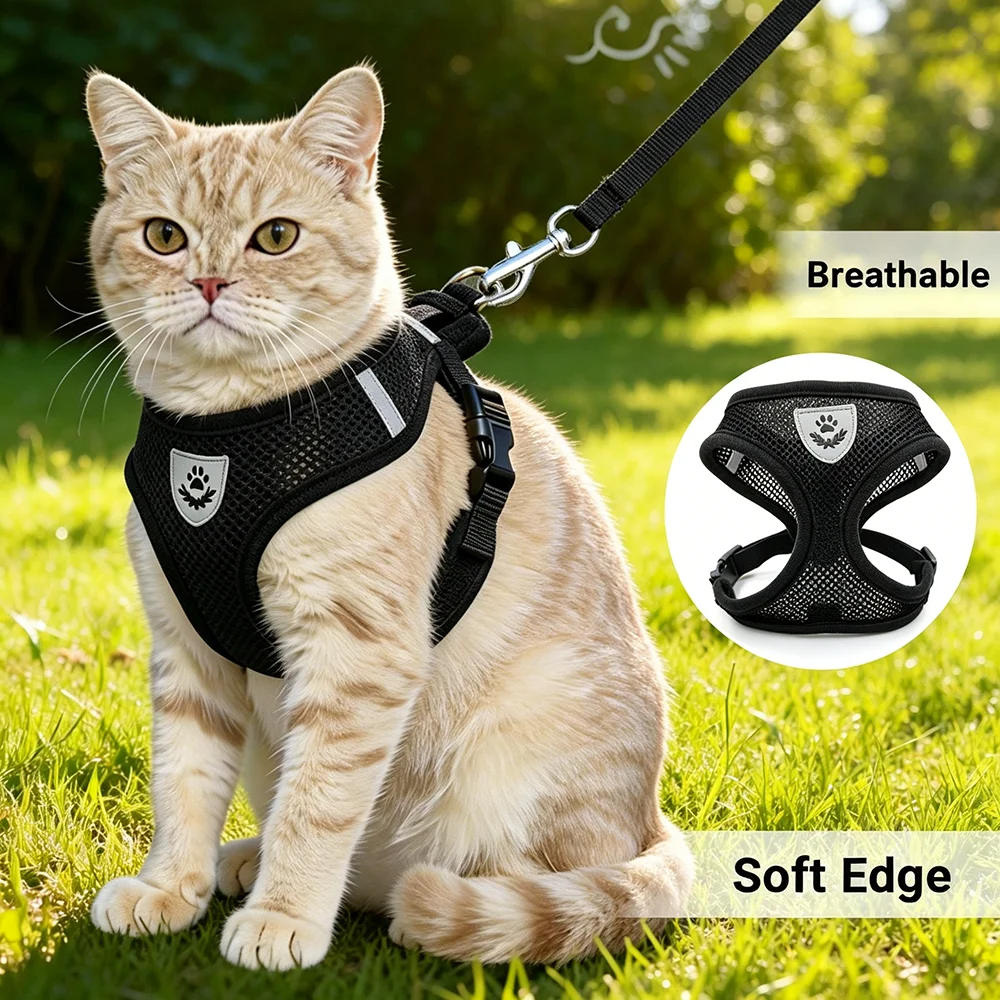
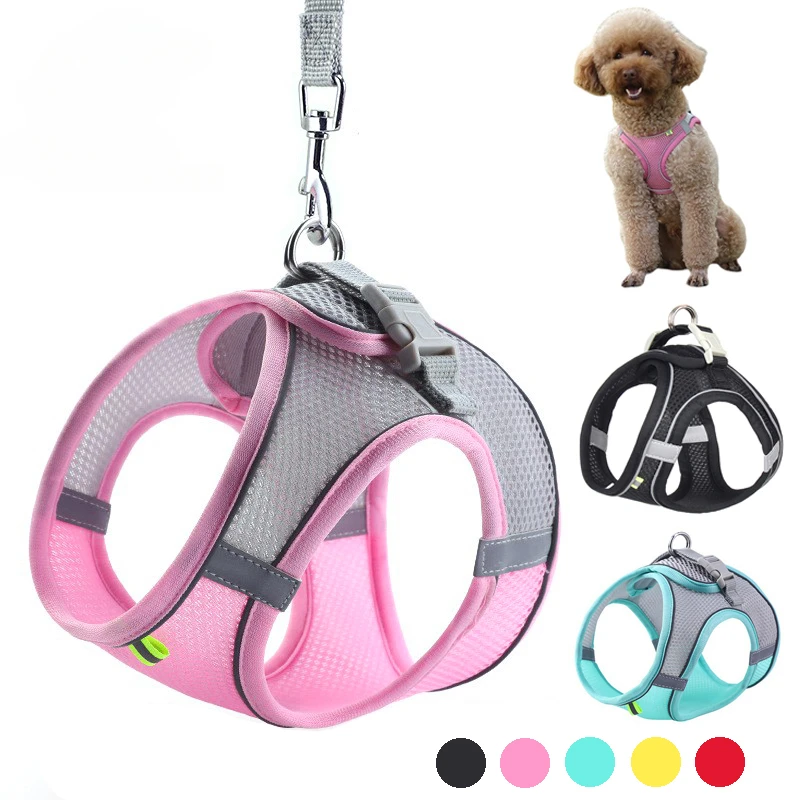
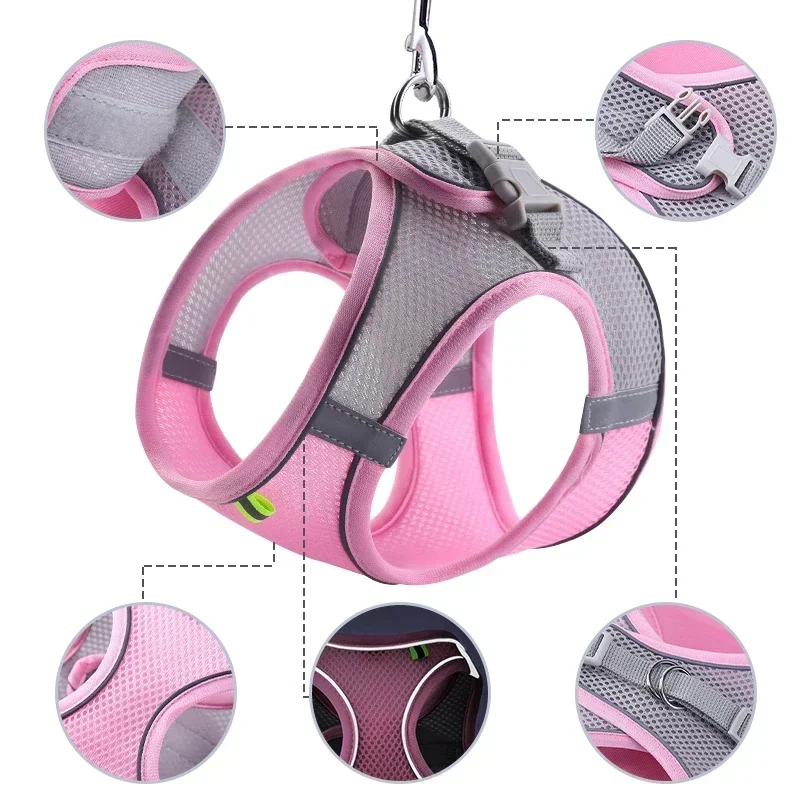
A vest harness covers more of the chest, so the pressure is spread wider. The mesh lets air through, which matters in summer and for dogs that run hot. These suit small and medium dogs, and many also fit cats.
No-pull dog harnesses
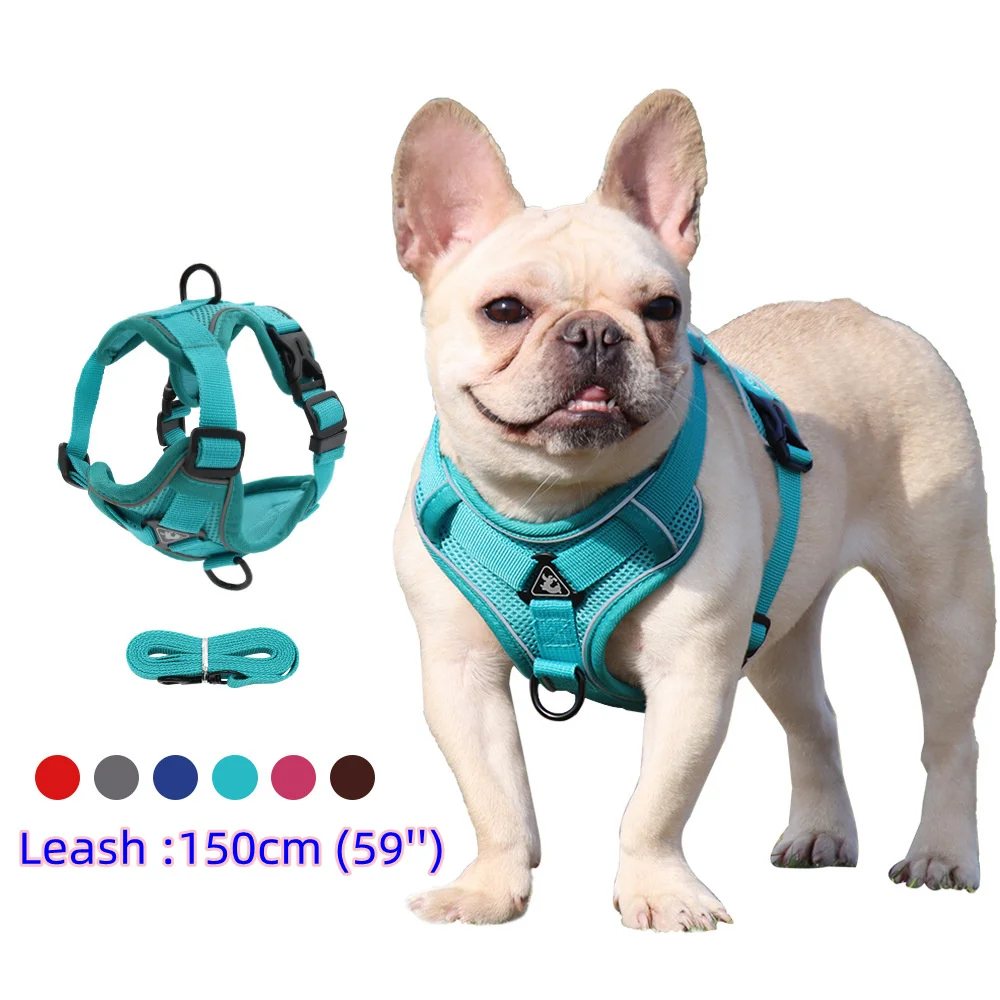
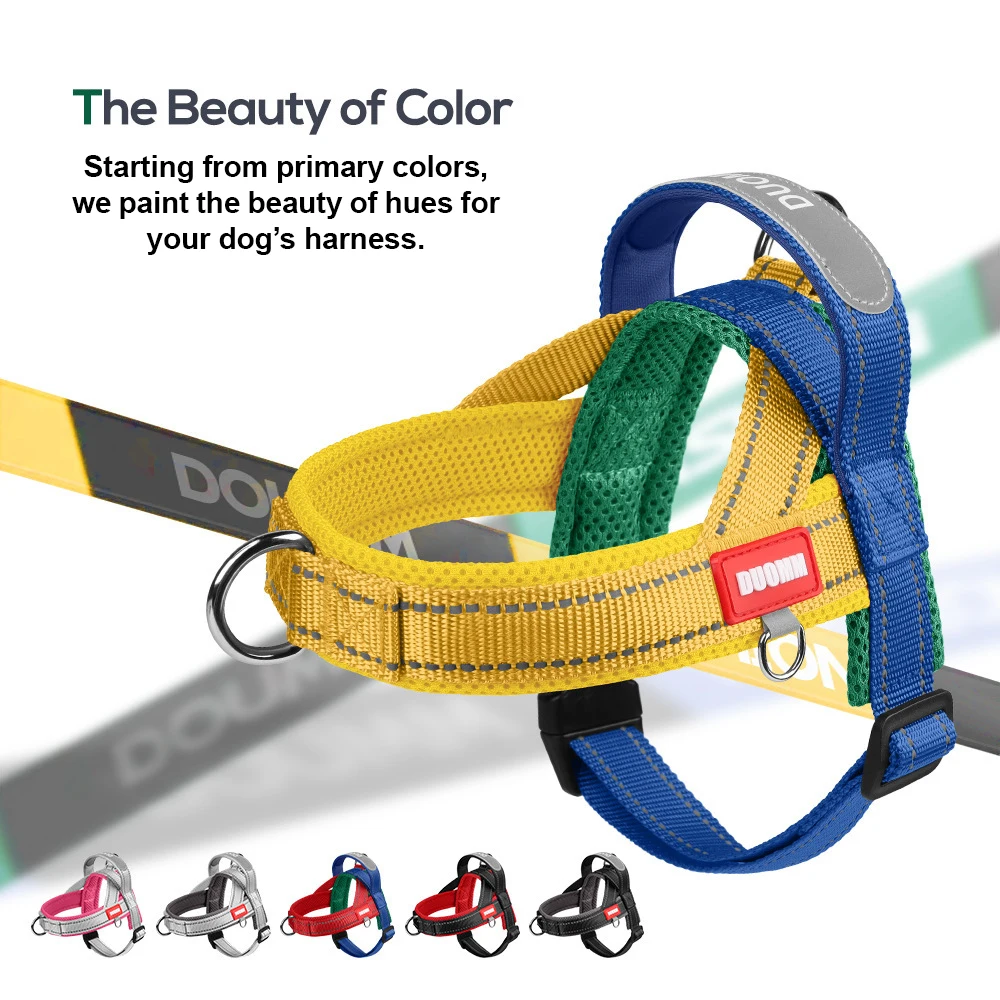
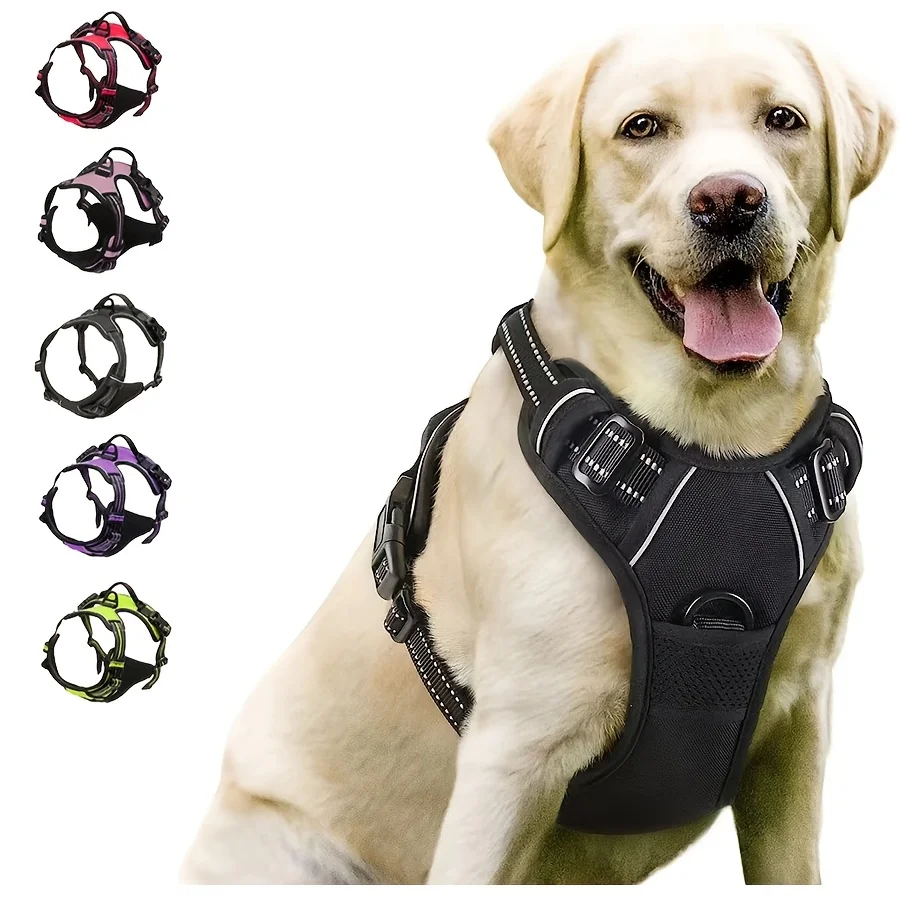
A no-pull harness has a ring on the chest as well as on the back. Clip the lead to the chest ring and, when your dog pulls, they're turned gently back towards you rather than forwards. It doesn't hurt and it doesn't choke; it just takes away the reward of pulling. Several of ours have both rings, so you can clip to the chest while you're training and to the back once your dog walks nicely.
Padded and tactical harnesses for big dogs
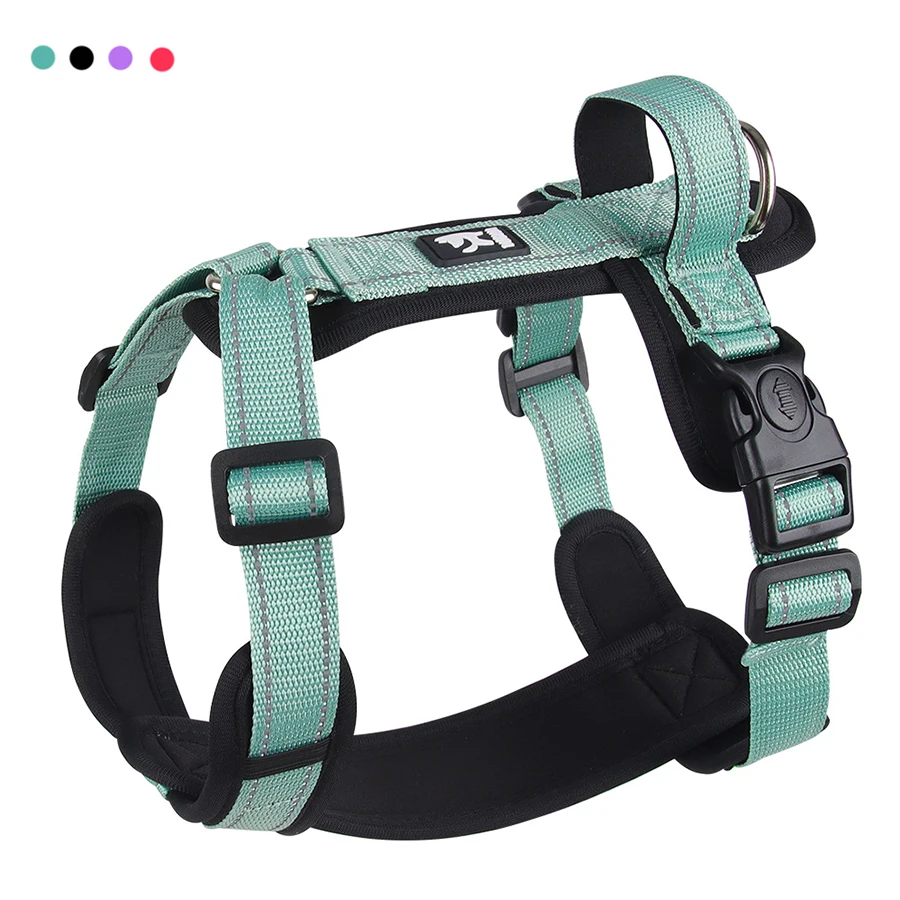
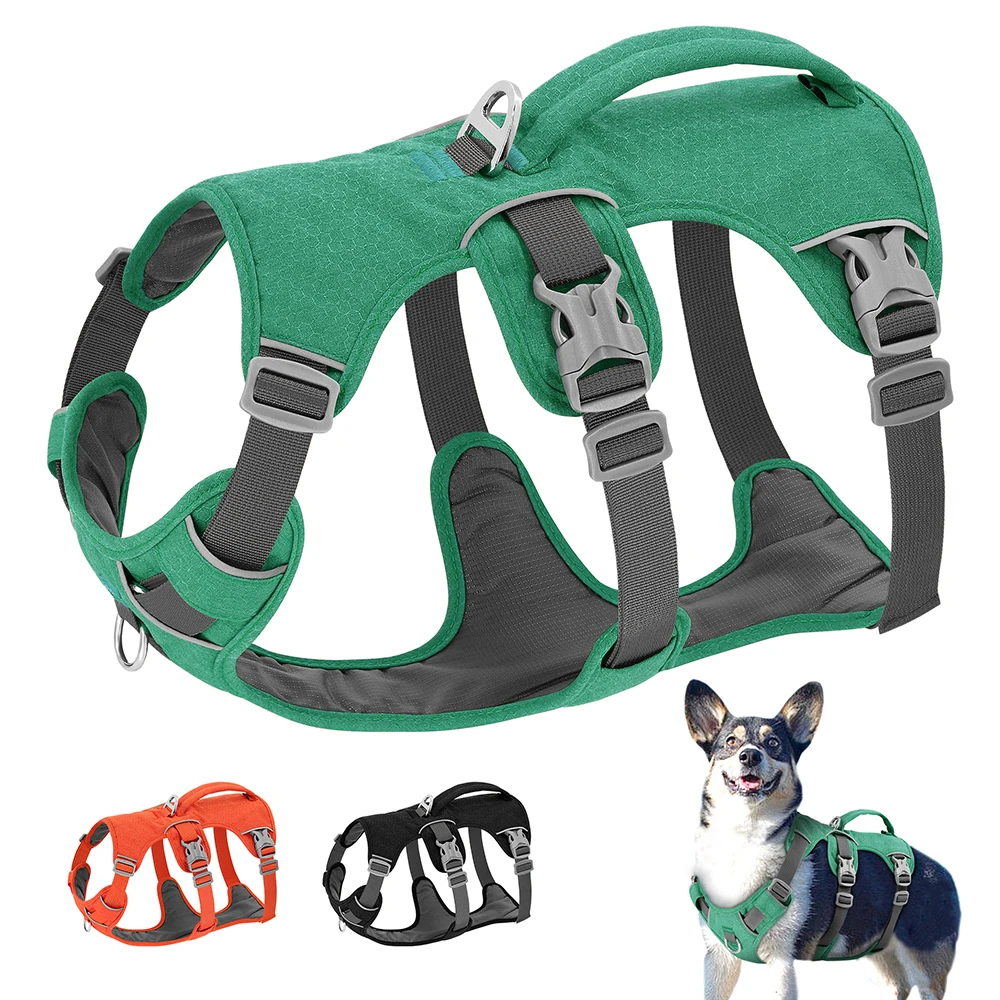
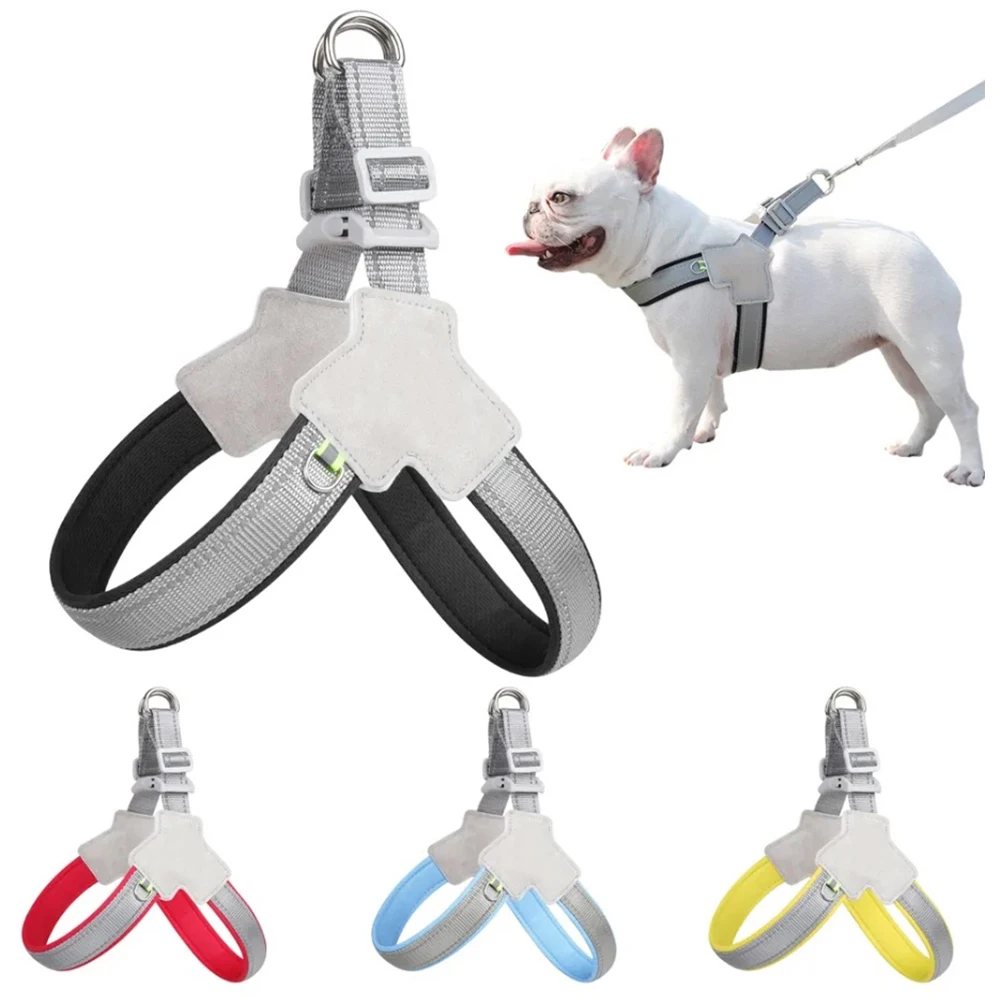
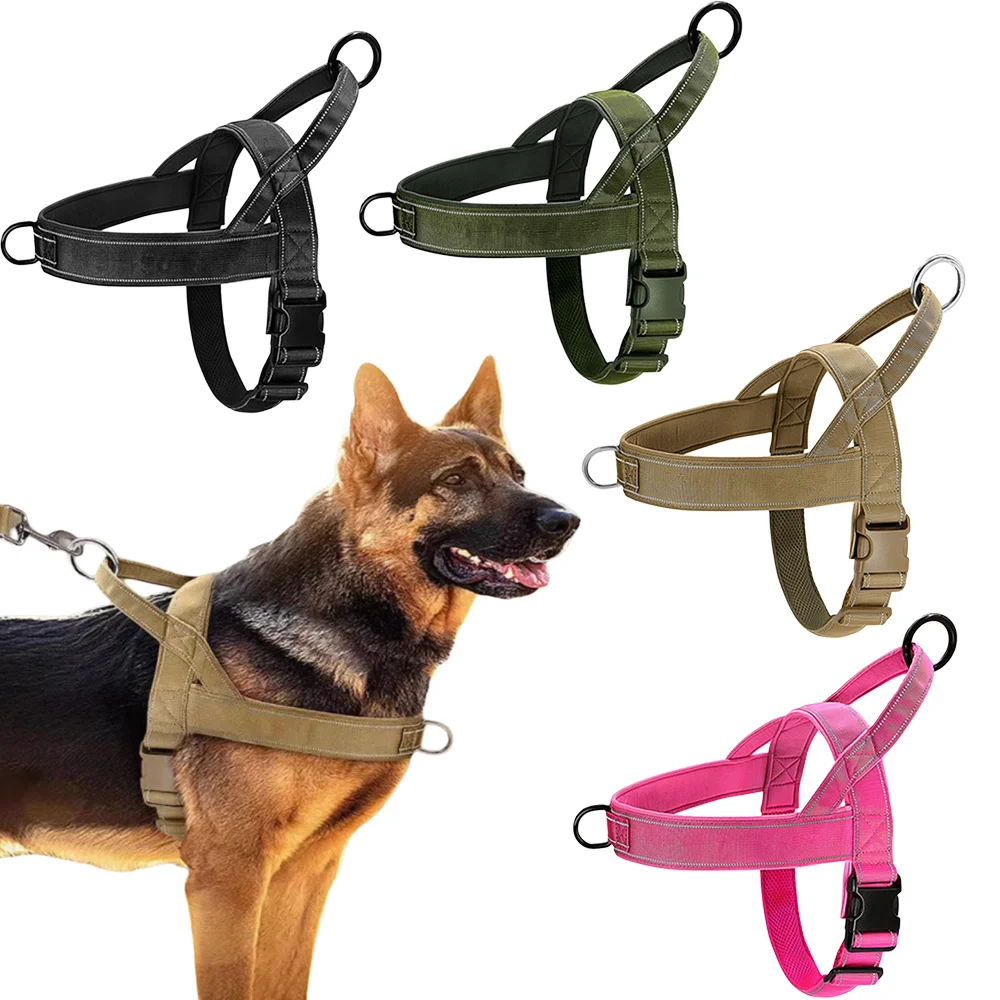
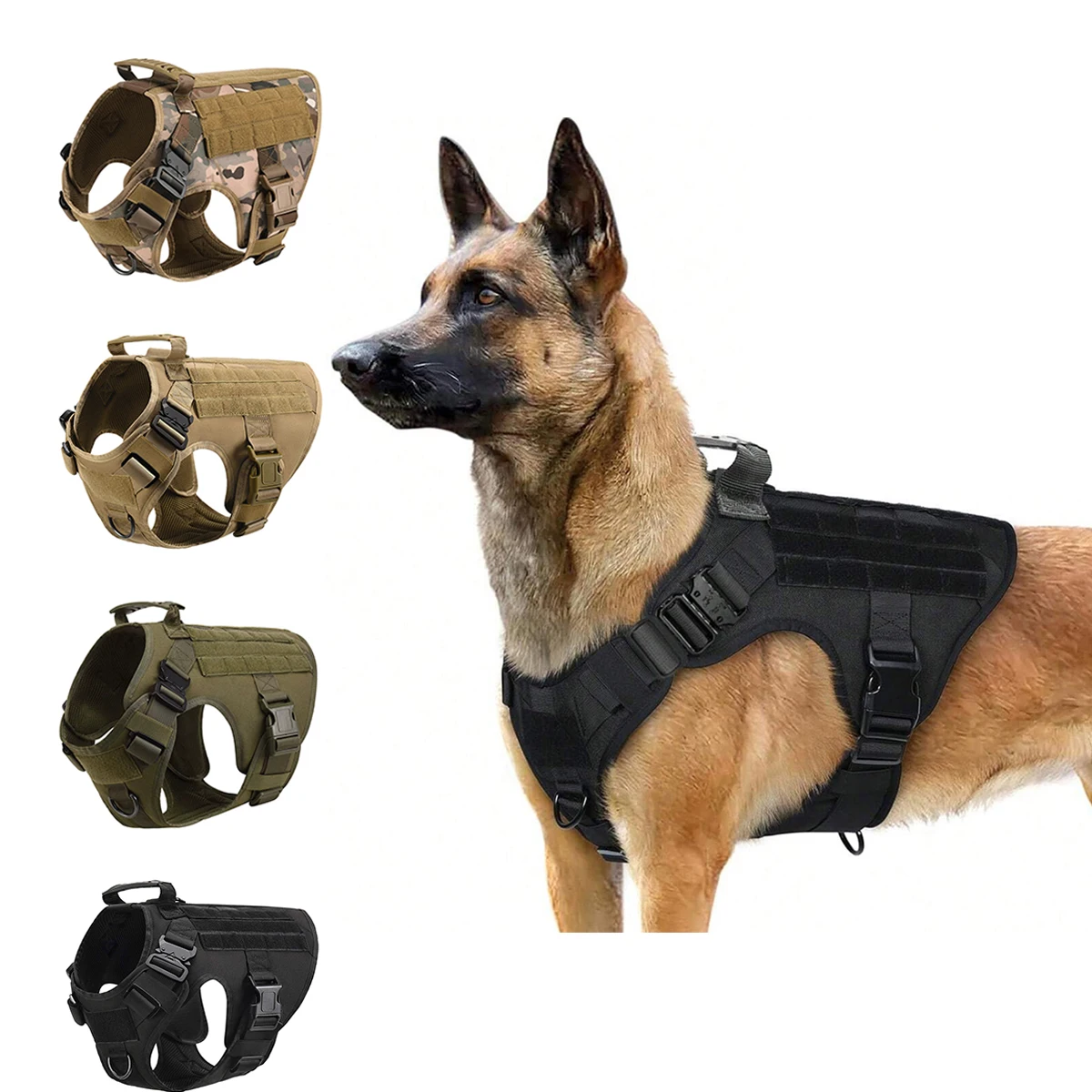
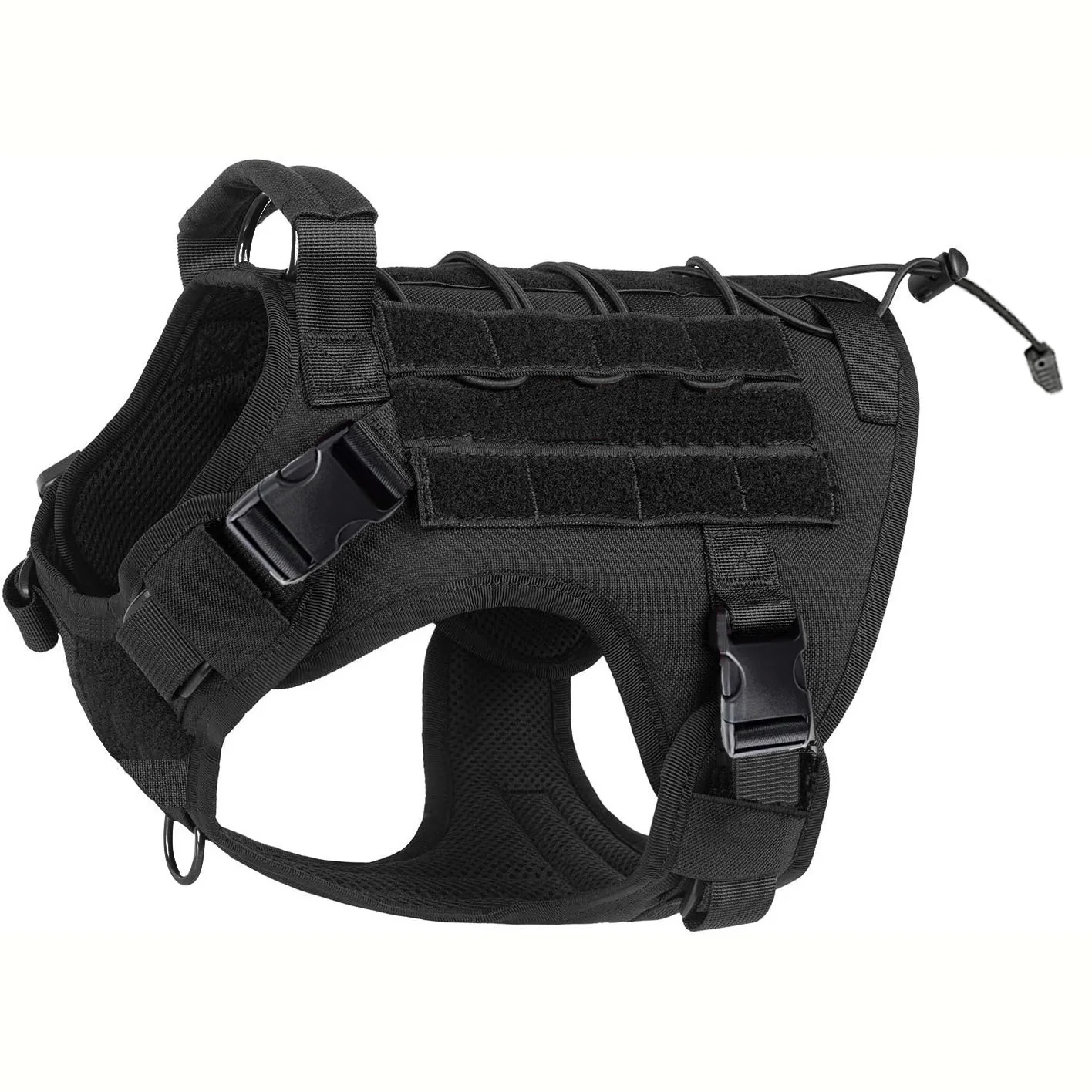
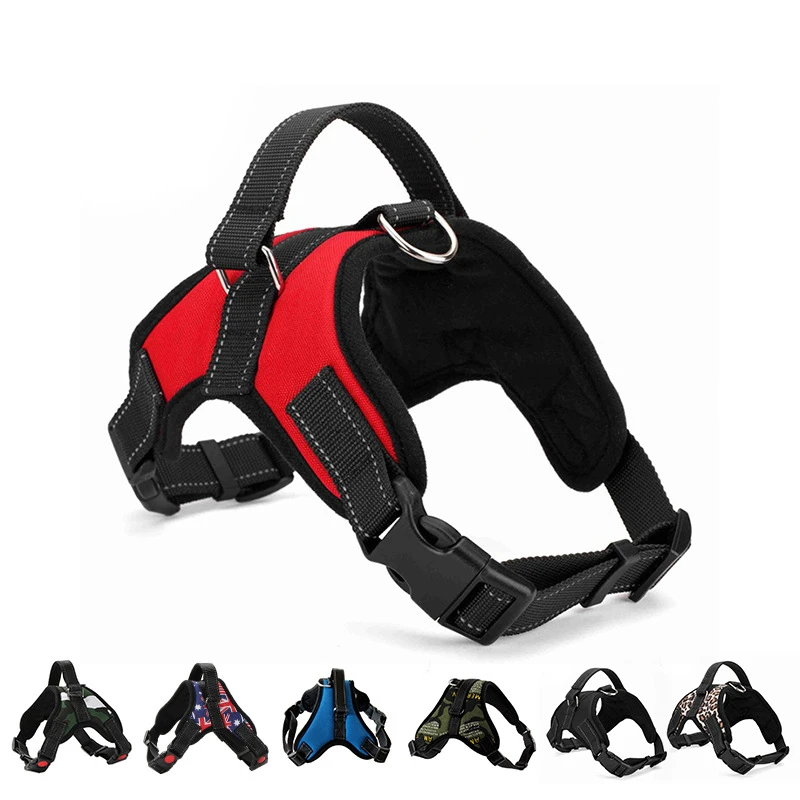
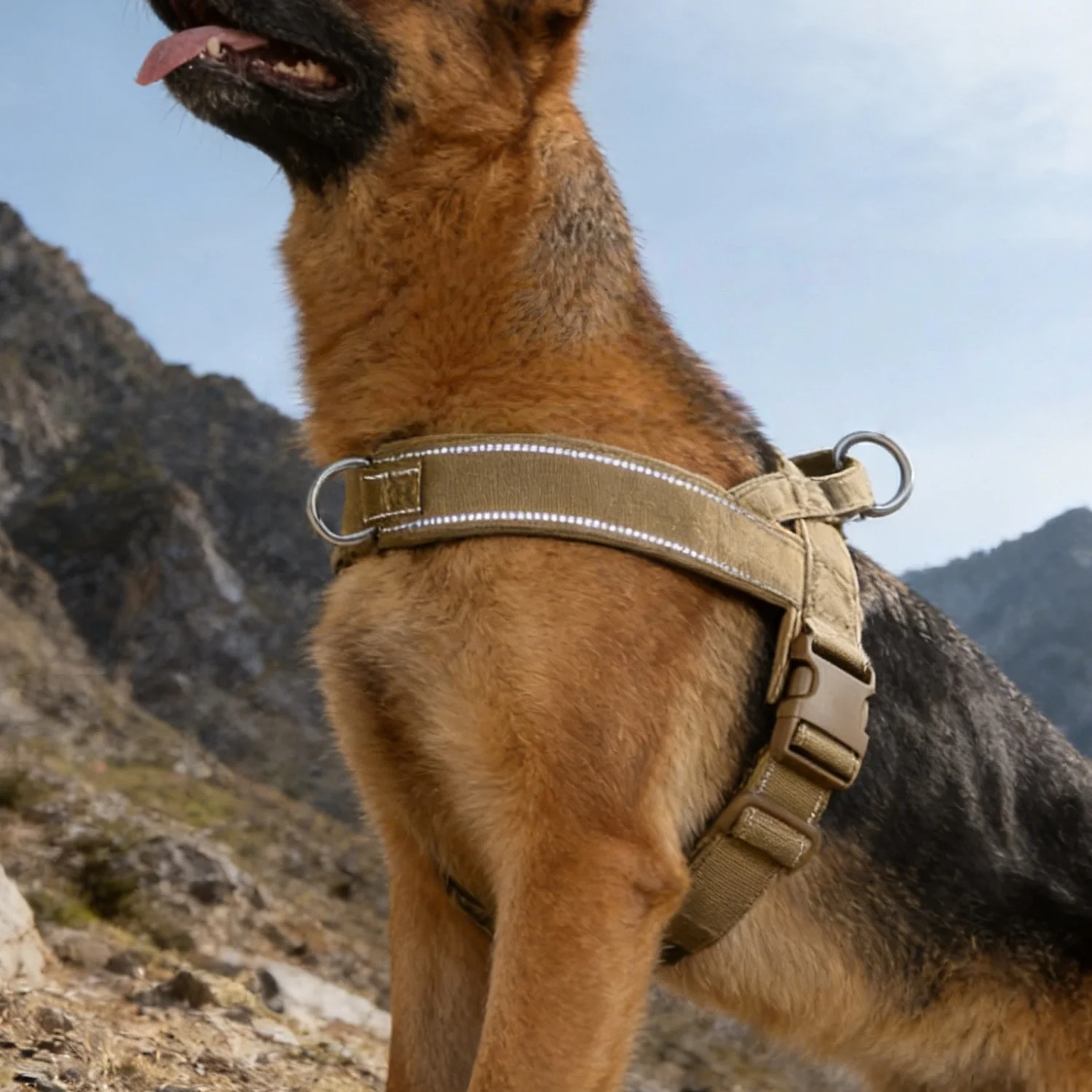
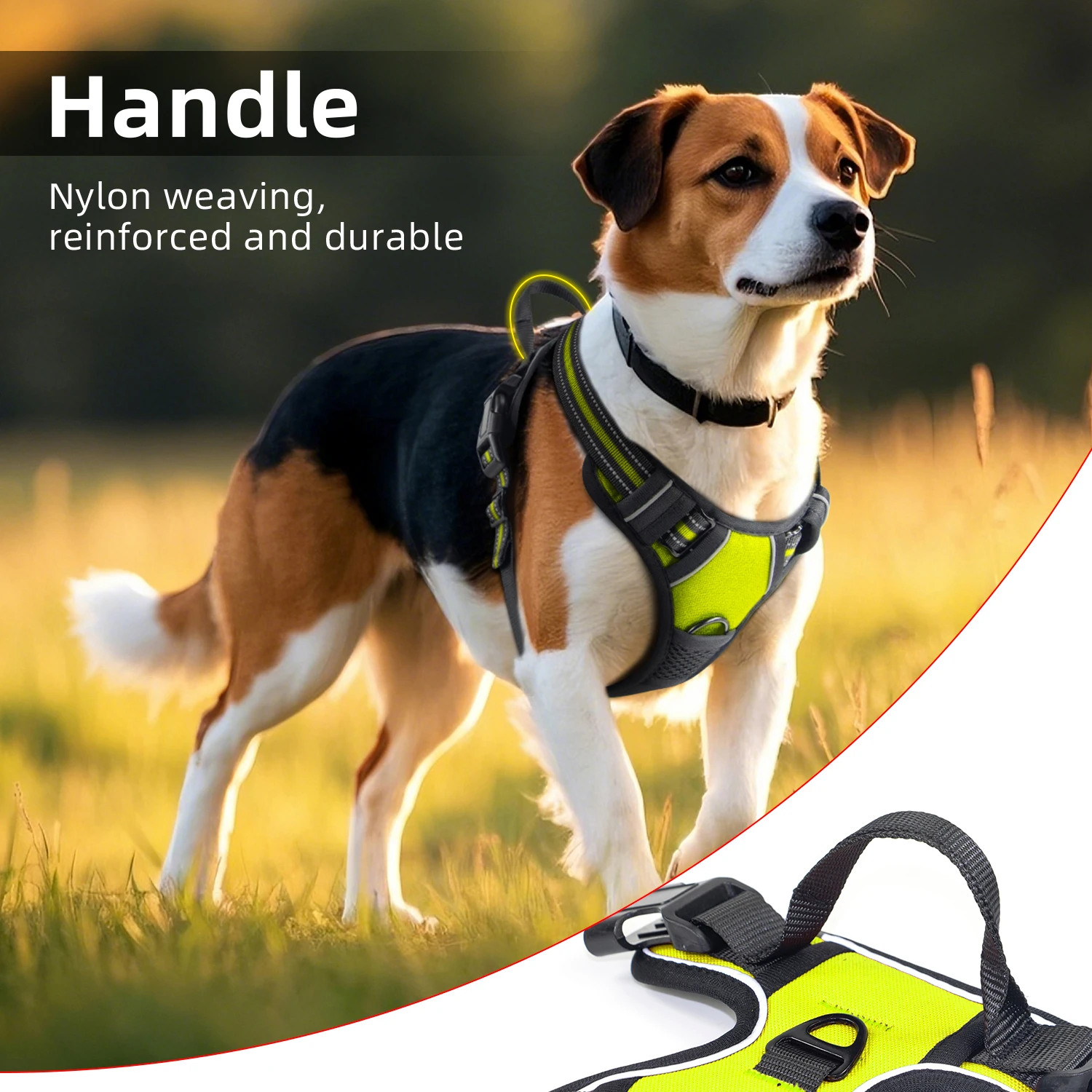
For larger, stronger dogs, a padded "tactical" harness is made from thick nylon with a padded chest plate and a grab handle on the back. The handle lets you hold your dog close at a road crossing, help them into the car, or steady them on a stile.
Step-in and escape-proof harnesses
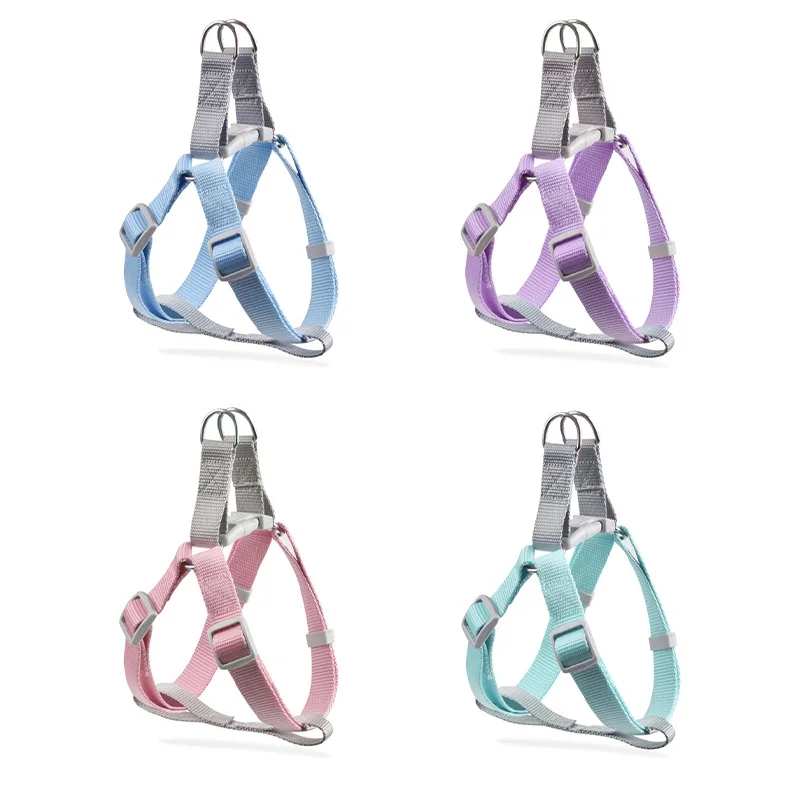
A step-in harness goes on with your dog stepping into it, then clips over the back, so nothing goes over their head. It's ideal for dogs that hate having things pulled over their ears. An escape-proof harness has an extra strap around the belly, so a dog that backs out of an ordinary harness can't slip free.
How to measure your dog for a harness
Getting the size right matters more than the style. A harness that's too loose can be backed out of; one that's too tight rubs.
- Measure round the chest at the widest part, just behind the front legs. This is the measurement that matters most.
- Measure round the neck where a collar would sit.
- Weigh your dog if you can. Many of our harnesses give a weight range for each size as well.
- Compare with the sizes on the product page. Sizes differ from one maker to another, so always check that harness's own size chart rather than going by "small" or "medium".
- If your dog is between two sizes, choose the larger and tighten the straps. For a puppy, choose a harness with plenty of adjustment so it grows with them.
When it's on, you should be able to slide two fingers under any strap. Any looser and it can slip off; any tighter and it can rub.
Which harness for which dog?
- Puppies: a light mesh harness and lead set. Puppies grow fast, so don't spend a lot on the first one.
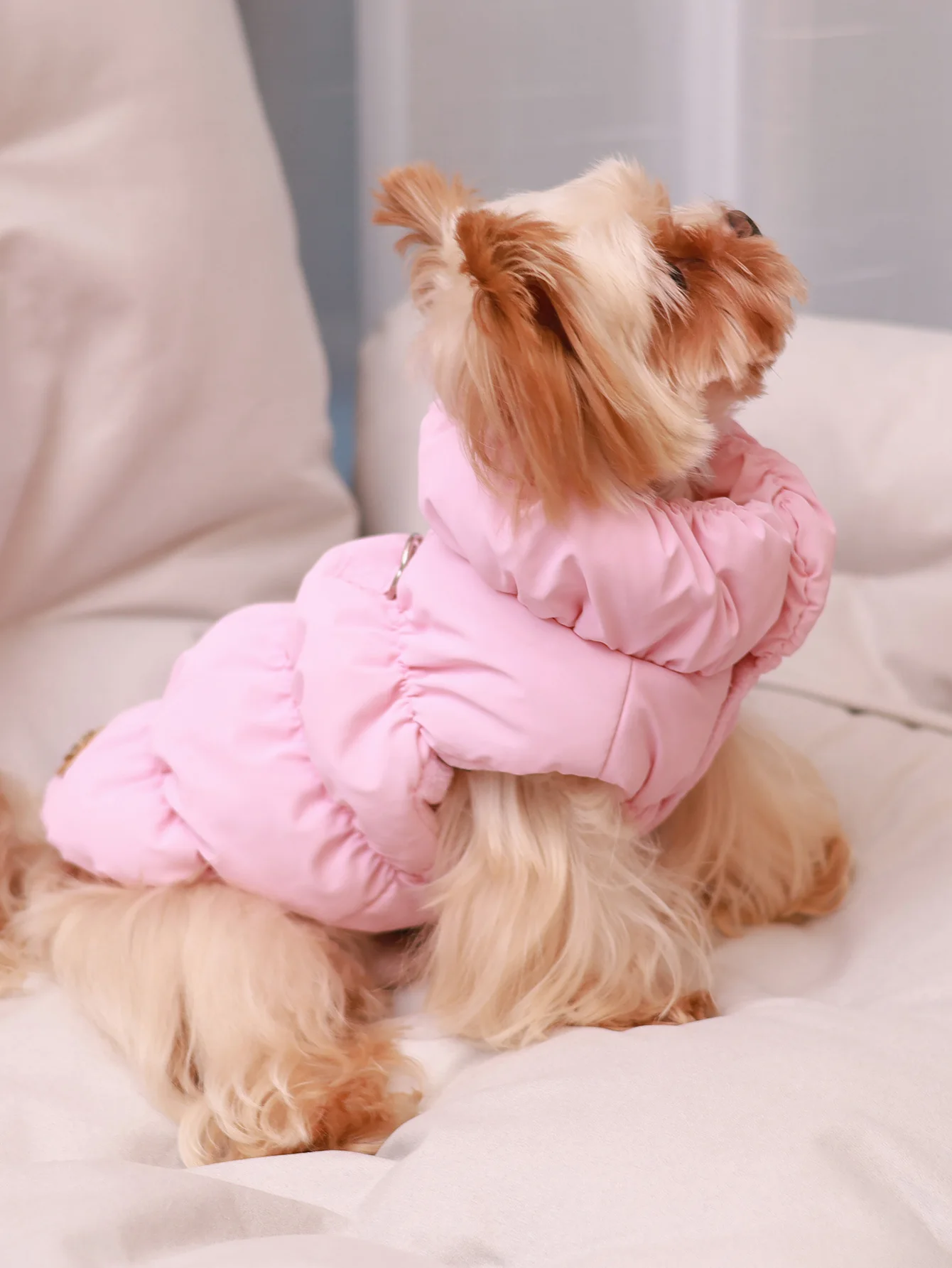
- Small breeds such as Chihuahuas, Yorkies and Shih Tzus: a soft vest harness takes all the pressure off a small neck.
- Flat-faced breeds such as pugs, French bulldogs and boxers: a harness rather than a collar for walks, so nothing presses on the throat.
- Dogs that pull: a no-pull harness with a chest ring.
- Big, strong dogs: a padded tactical harness with a handle.
- Escape artists: an escape-proof harness with a belly strap.
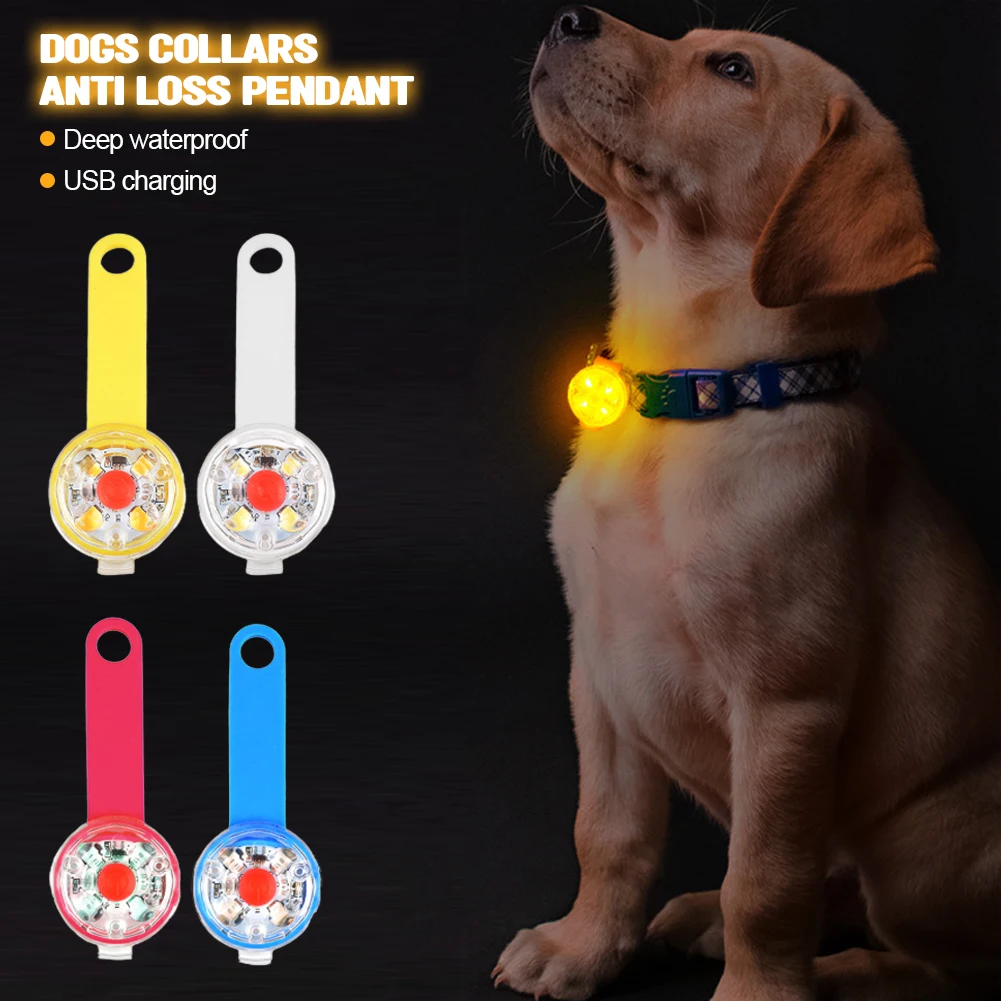
- Early-morning and evening walks: any harness with reflective trim, so drivers can see your dog in their headlights. Most of ours have it.
What our dog harnesses are made from
Most of our harnesses are made from nylon webbing, which is strong, light and dries quickly after a wet walk. Vest harnesses add a breathable mesh panel, and the padded ones have a soft lining where the harness touches the chest. Buckles are quick-release plastic on the lighter harnesses and metal on several of the heavier ones, and the lead rings are metal throughout. Reflective strips are stitched into the straps rather than printed on, so they last.
Harness or collar?
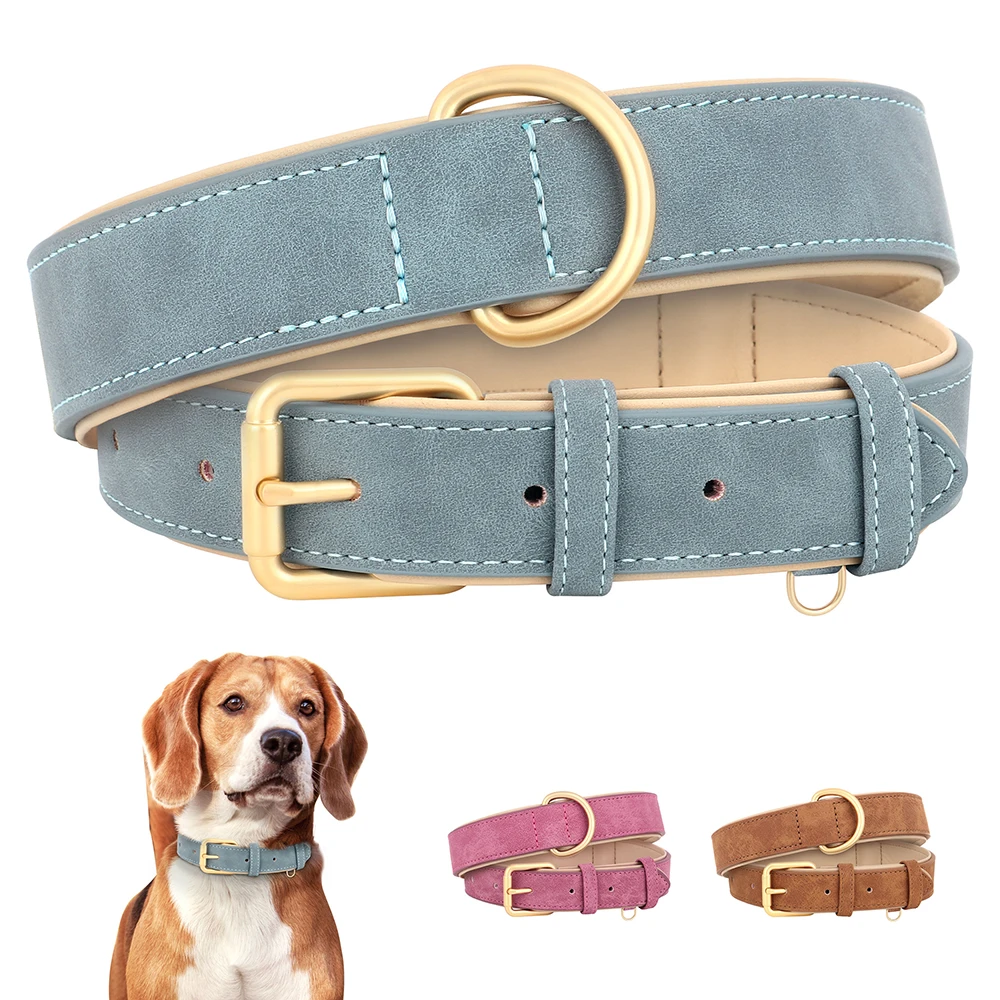
For walking, a harness is kinder for most dogs, and safer for small, flat-faced and pulling dogs. But in the UK your dog must still wear a collar with an ID tag carrying your name and address whenever they're out in public; that's the law (the Control of Dogs Order 1992). So the usual answer is both: a collar with a tag, and a harness for the lead.
Looking after a dog harness
Check the straps and clips every few weeks for fraying or cracks, especially on a harness that gets chewed or used every day. Most can be hand-washed in warm, soapy water and left to dry. Take the harness off at home, so it doesn't rub when your dog lies down.