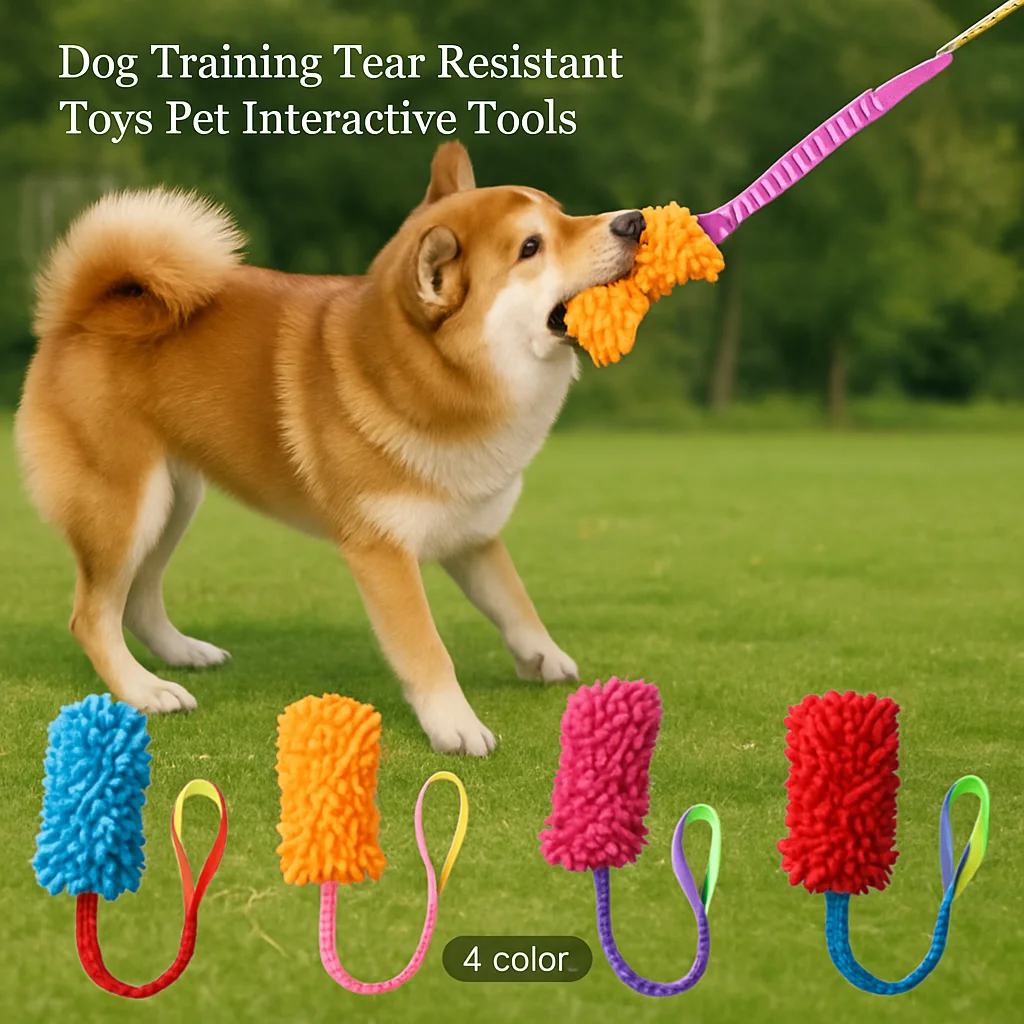

Why toys matter
Toys aren't a luxury for a dog. Chewing is natural and keeps teeth and jaws busy; chasing and tugging burns energy; and puzzle toys work the brain, which tires a dog out as much as a walk. A dog with the right toys is less likely to chew your shoes and settle more easily at home.
Dog toys by type
Chew toys
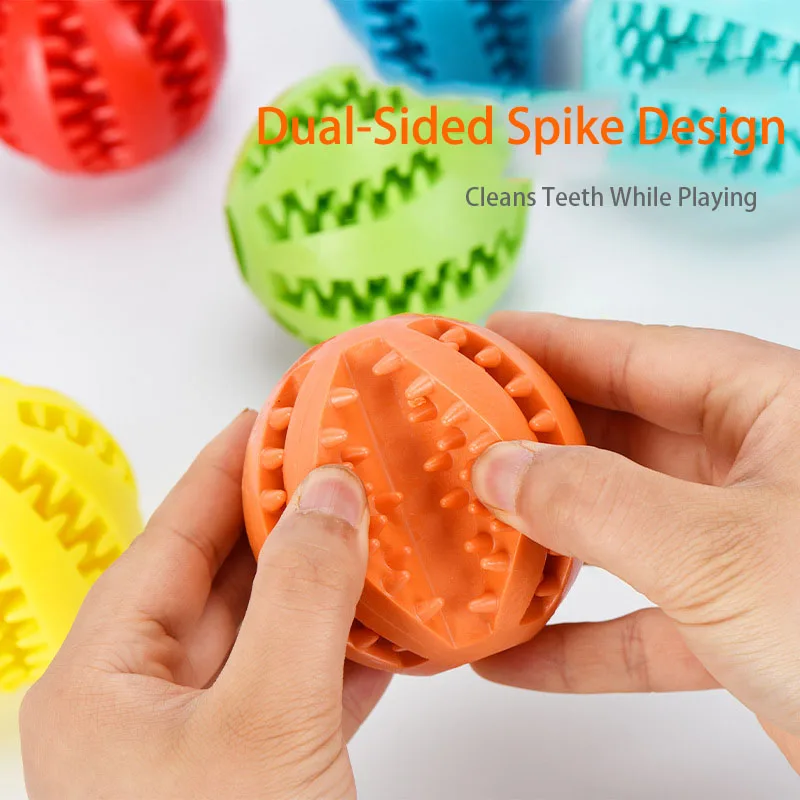
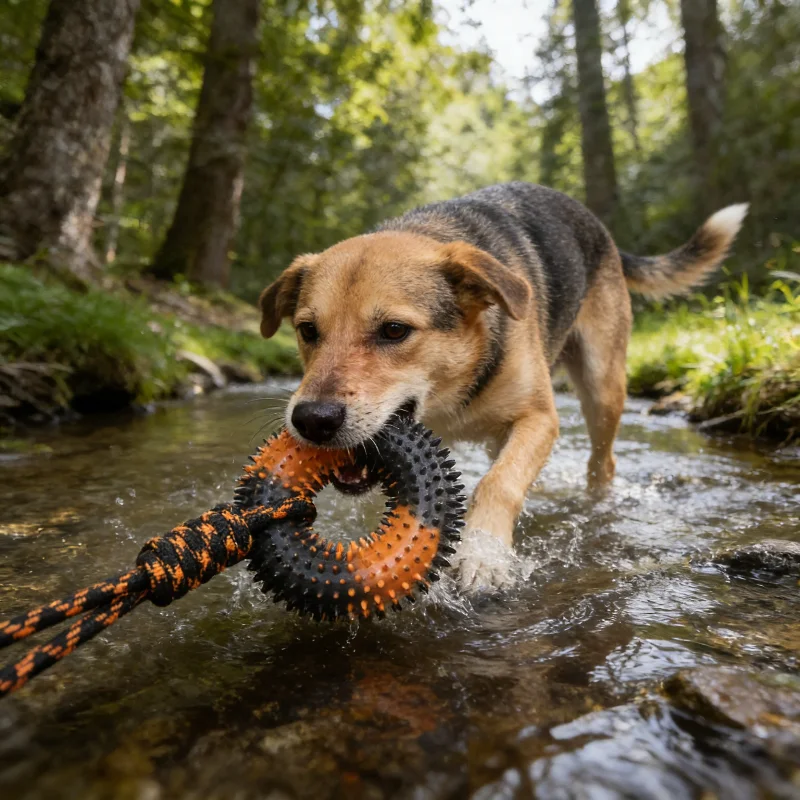
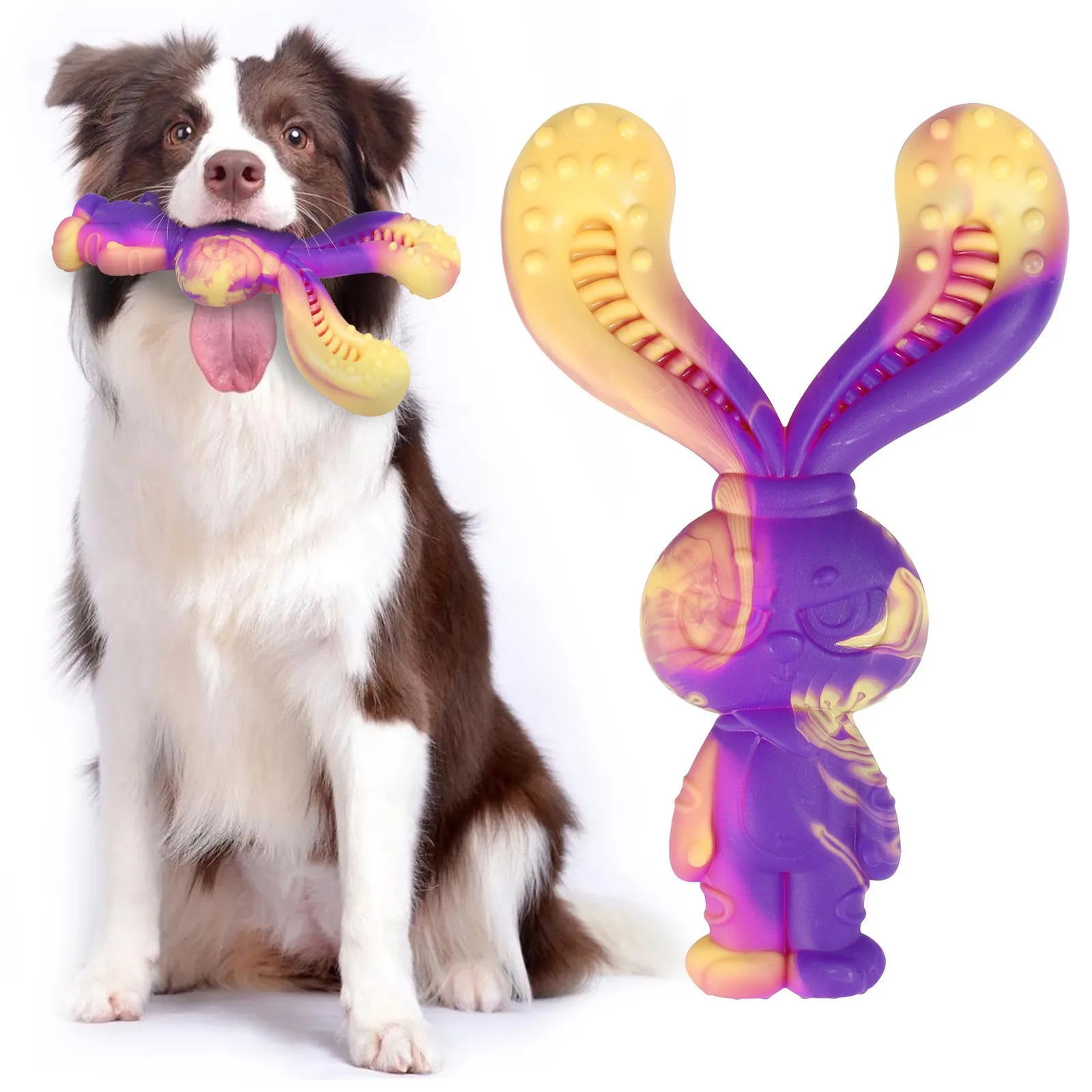
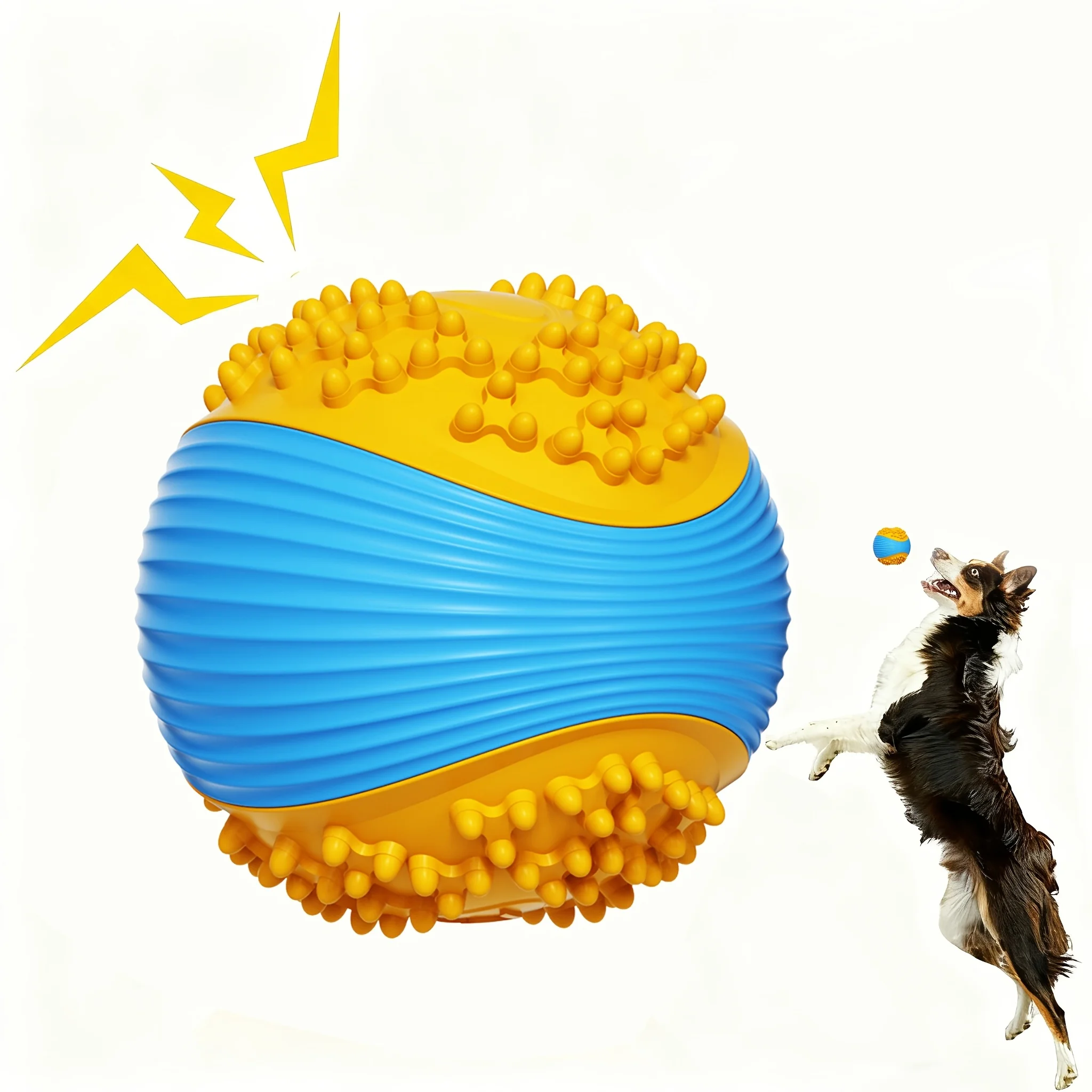
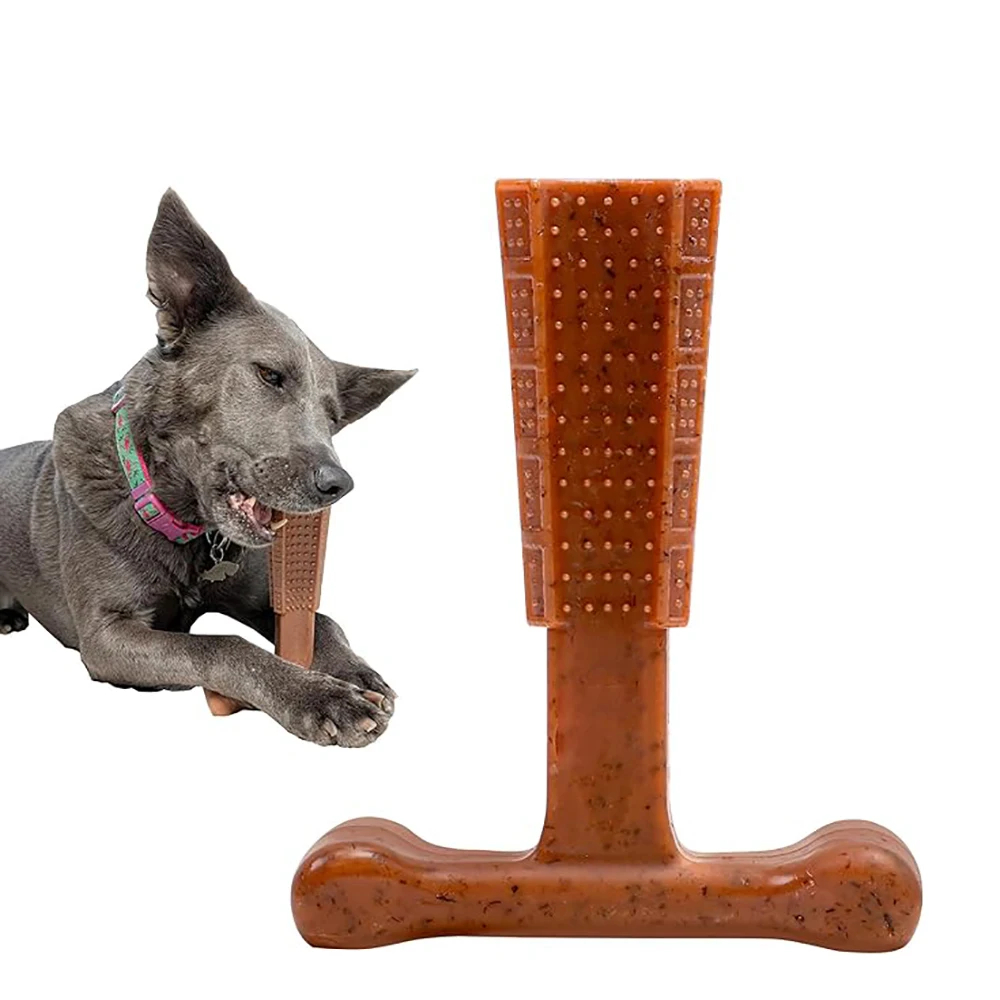
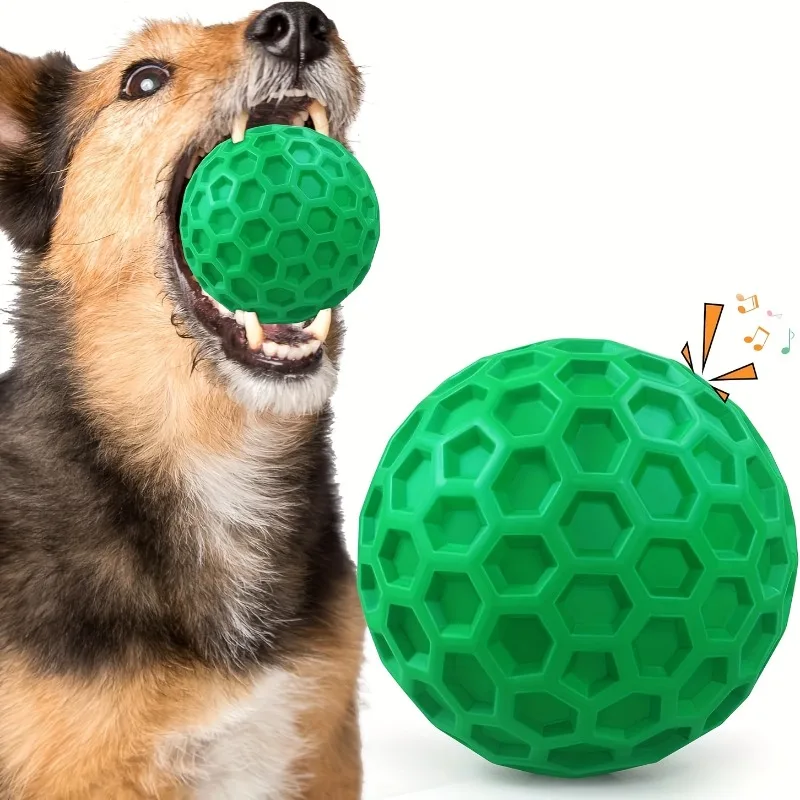
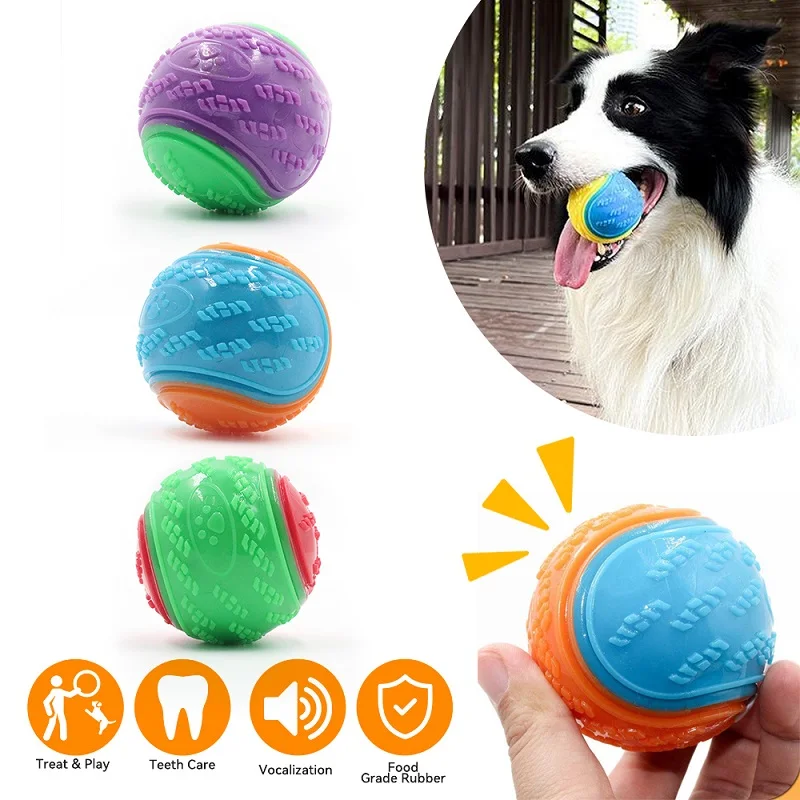
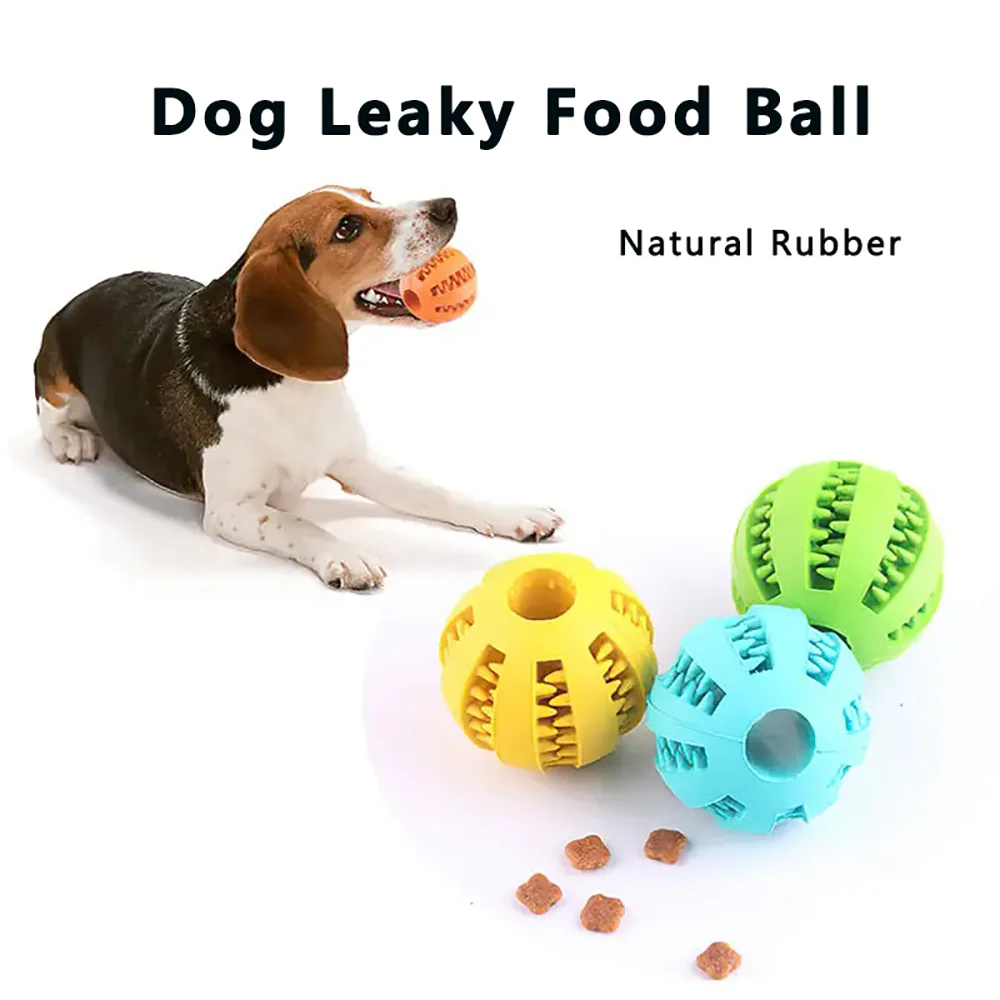
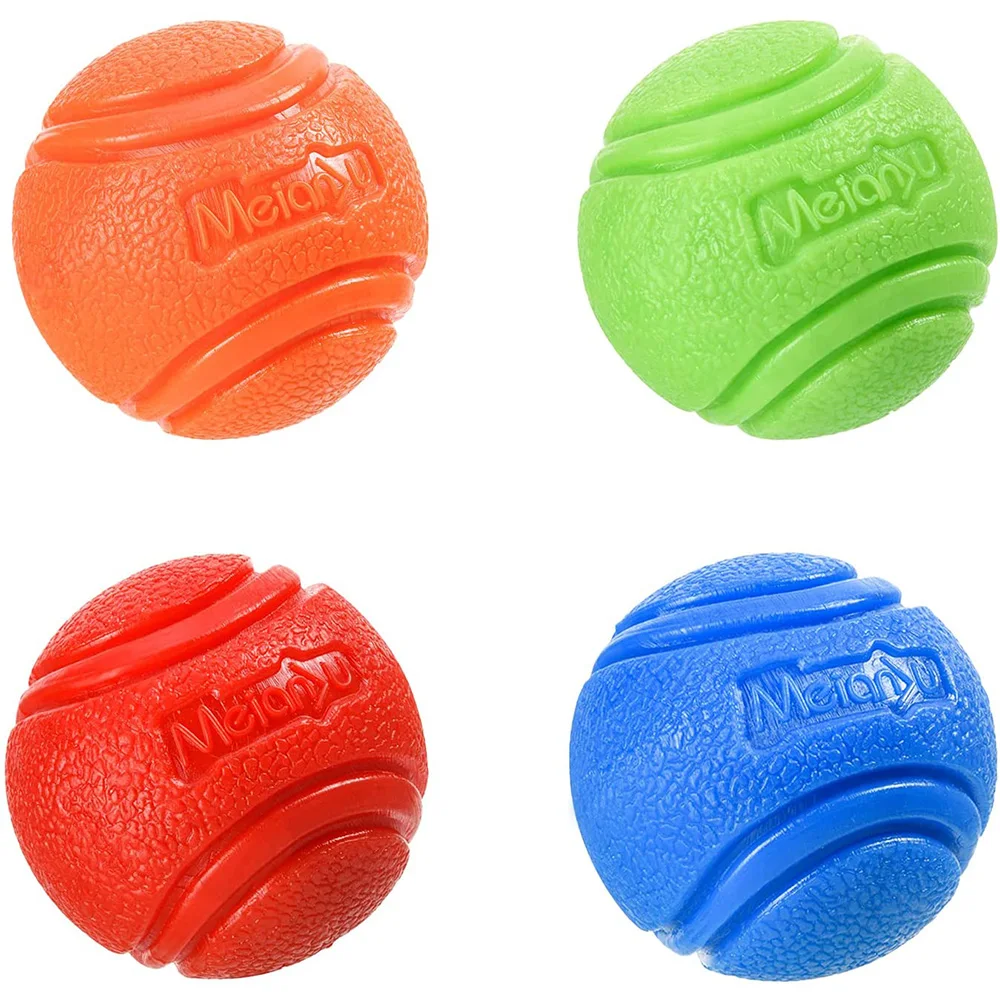
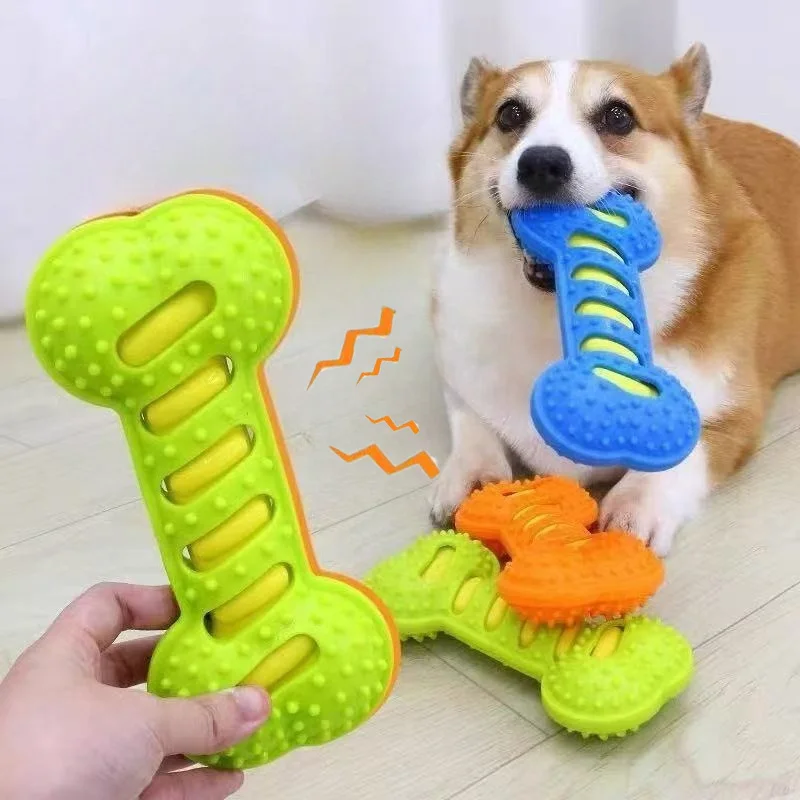
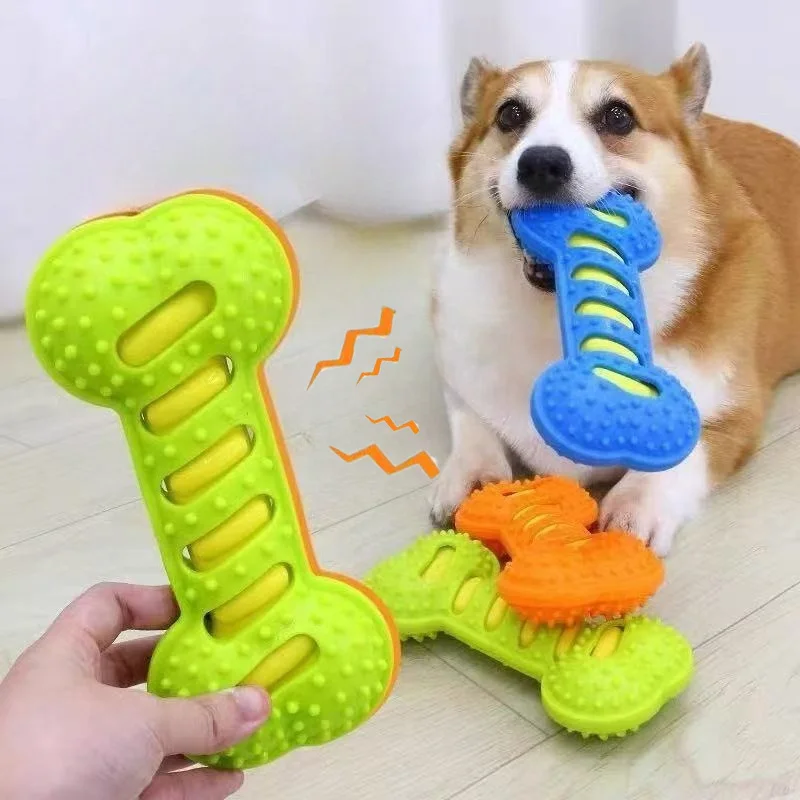
Our chew toys include natural rubber balls and bones, tough TPR toys with textured surfaces that help clean teeth as your dog chews, and tearproof plush. For a strong chewer, choose rubber or nylon rather than soft plush.
Squeaky toys
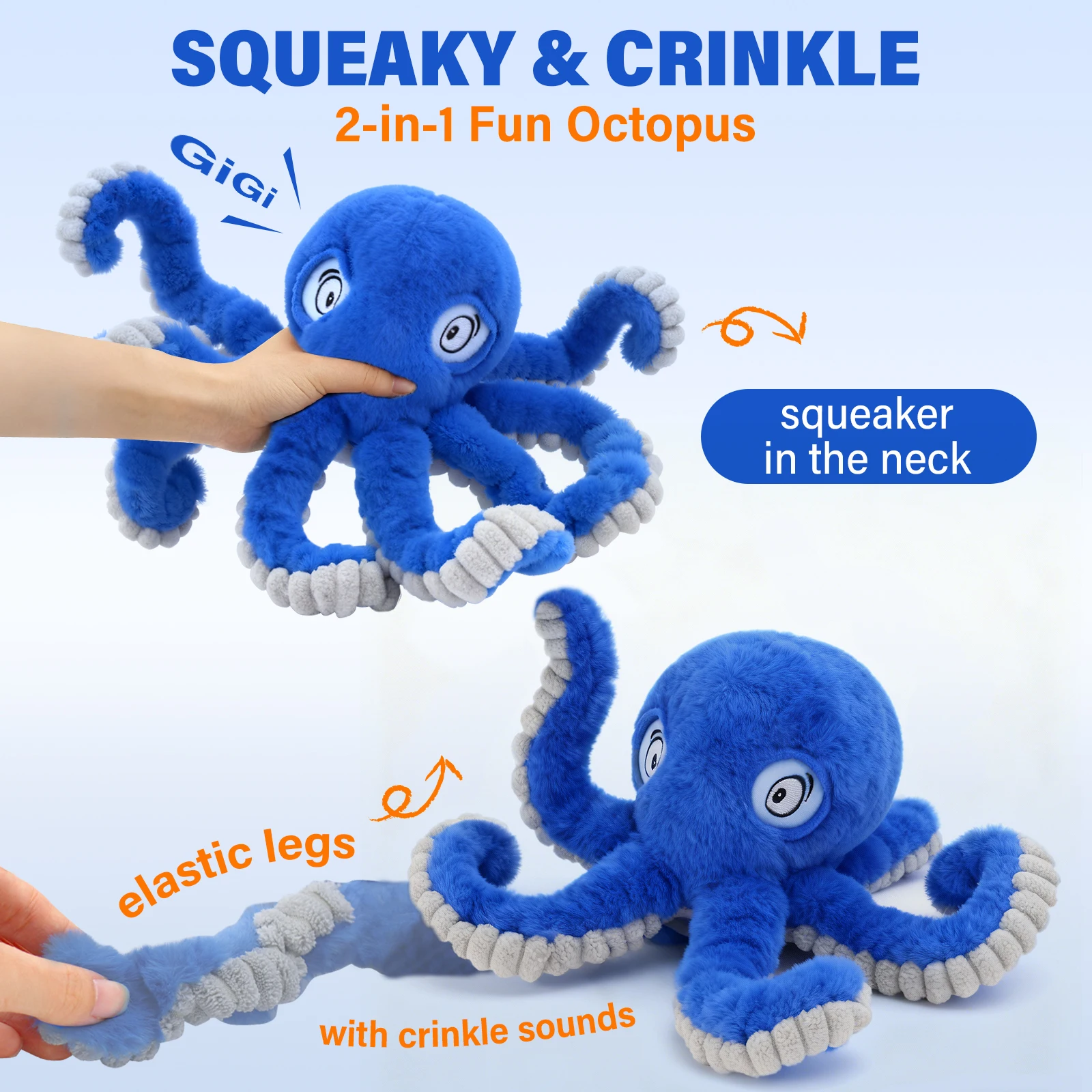
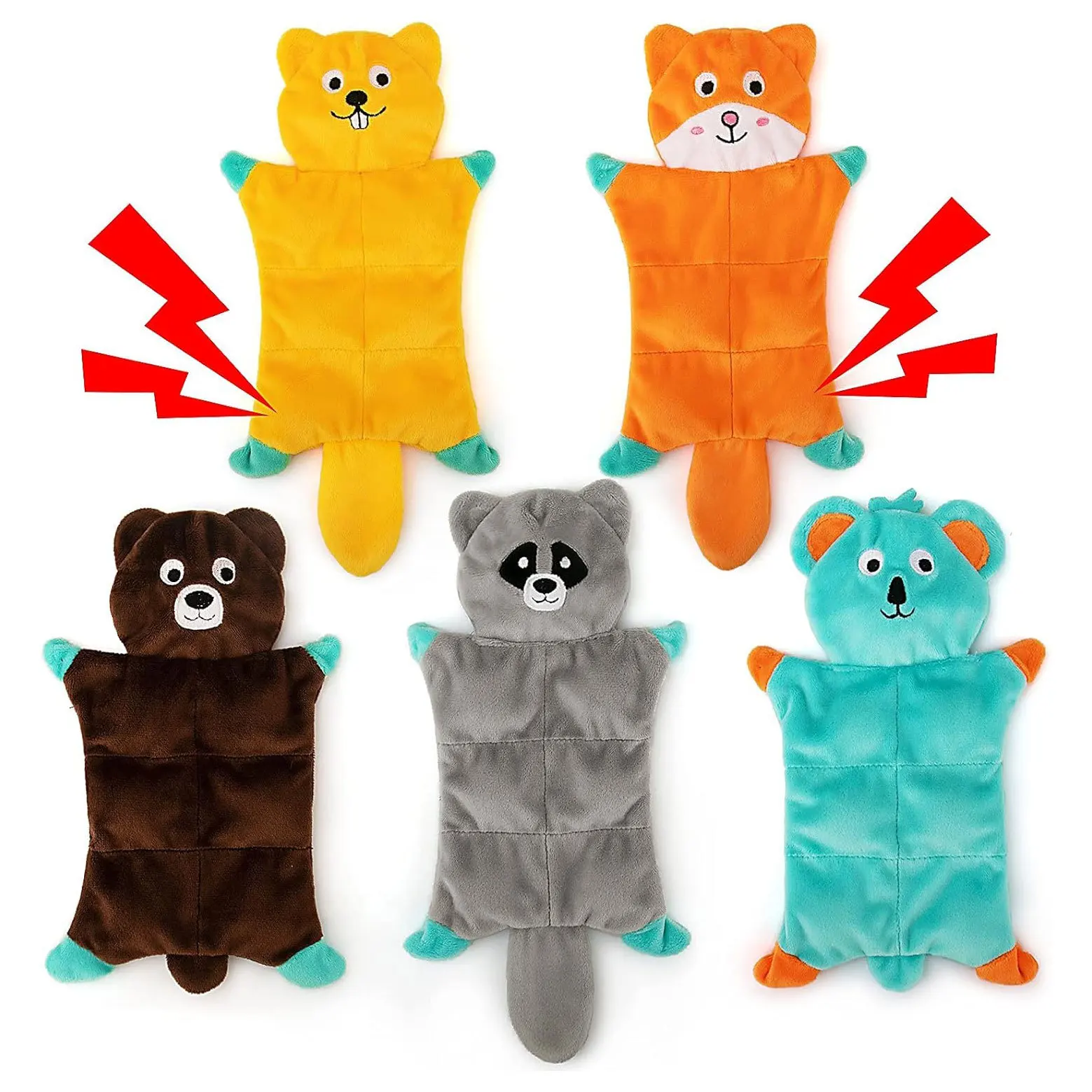
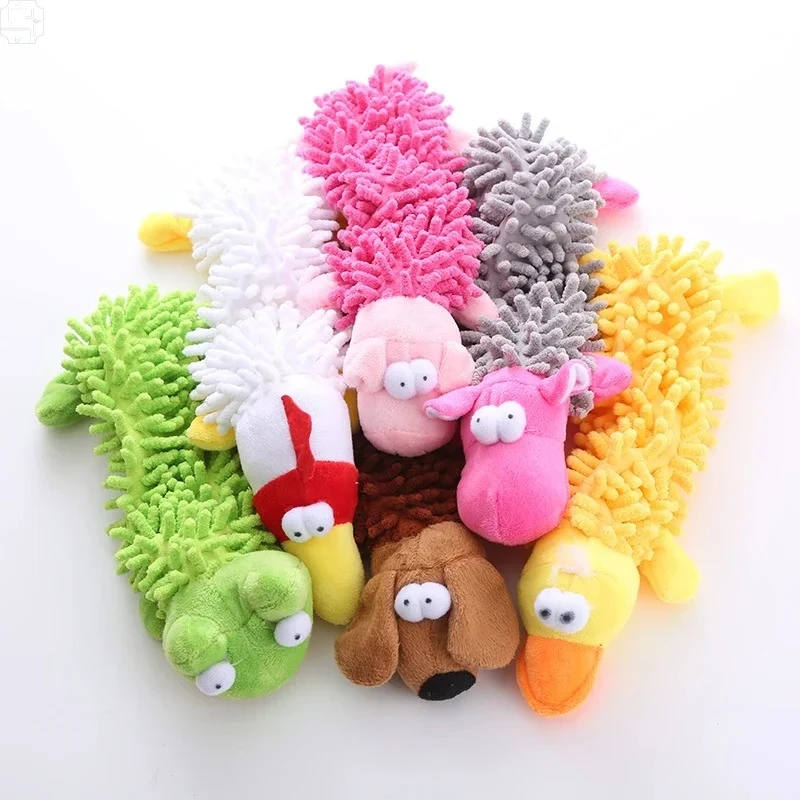
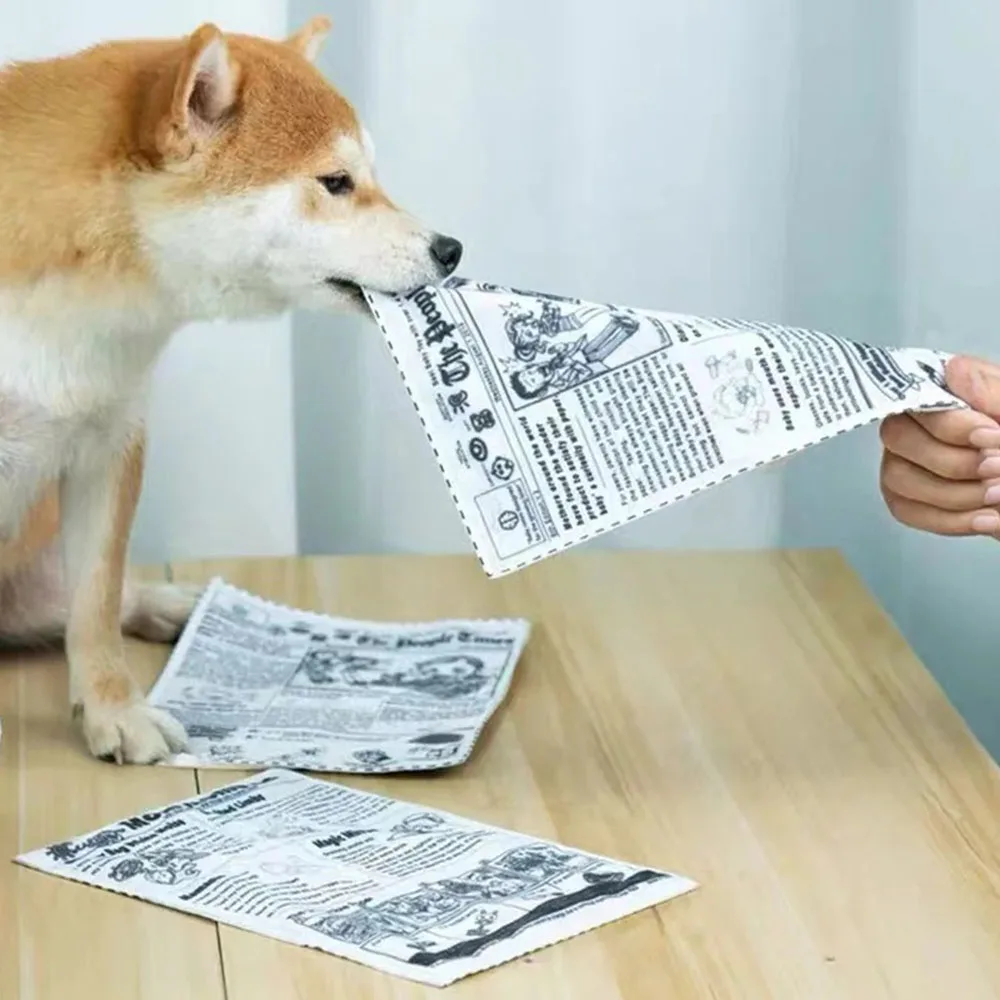
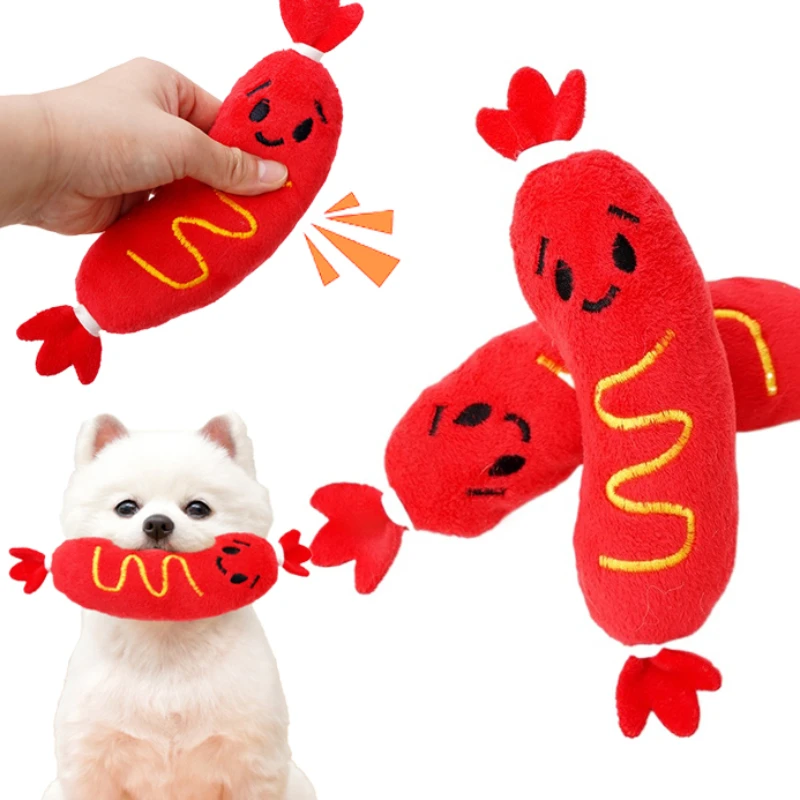
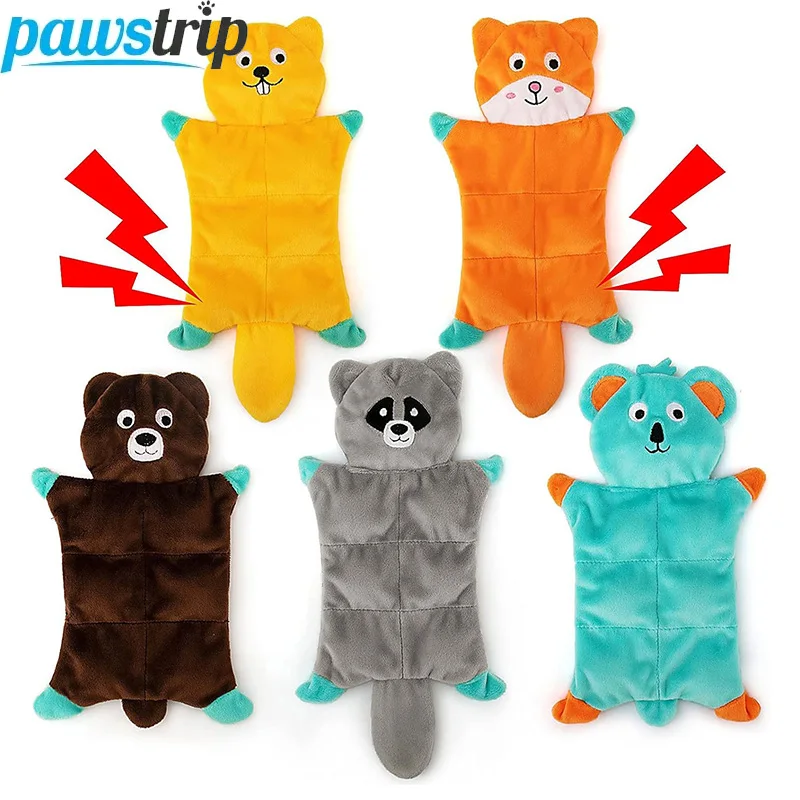
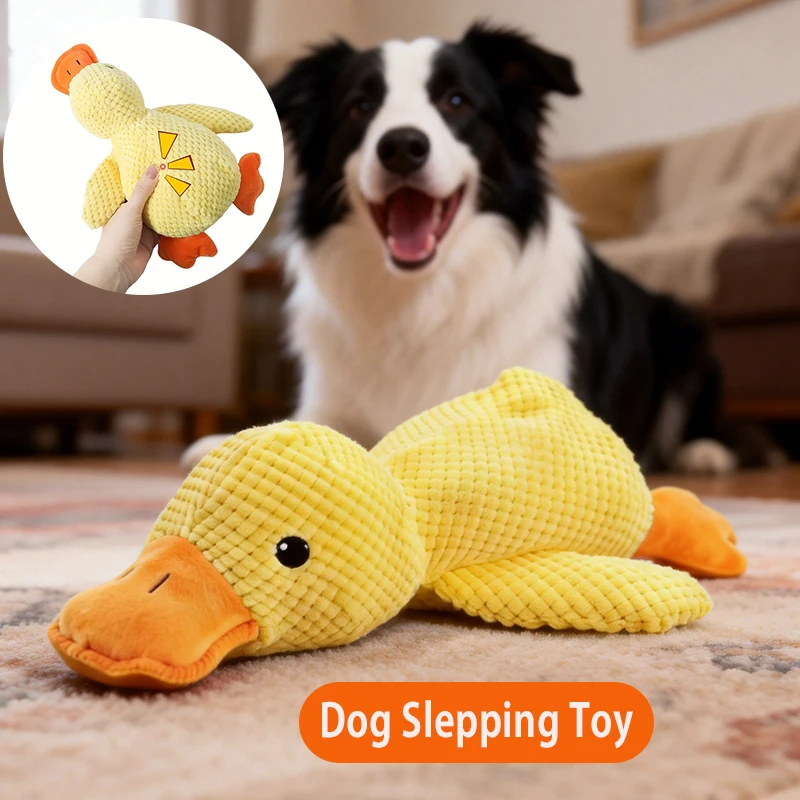
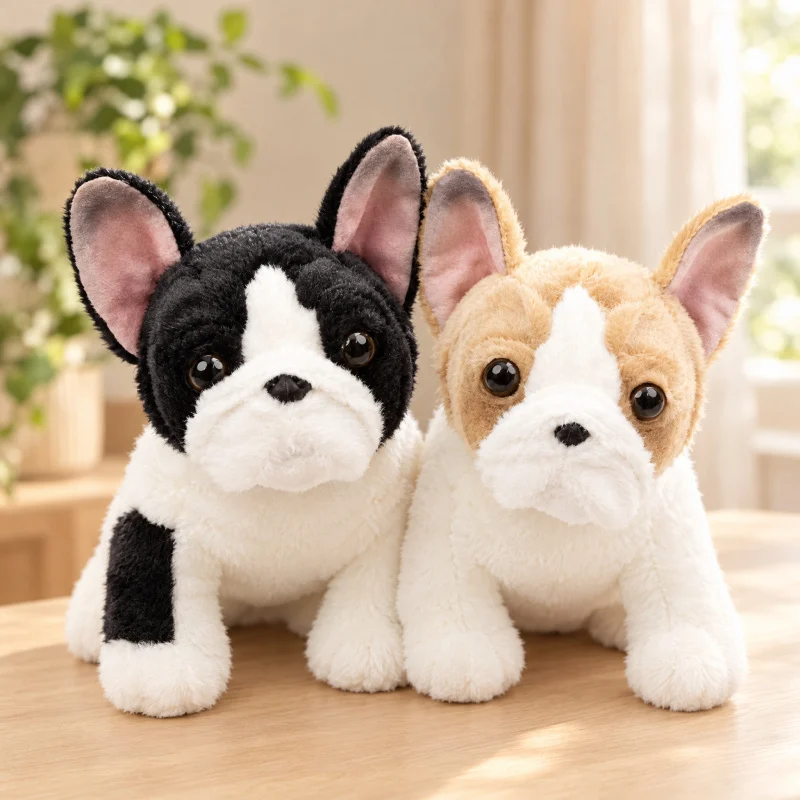
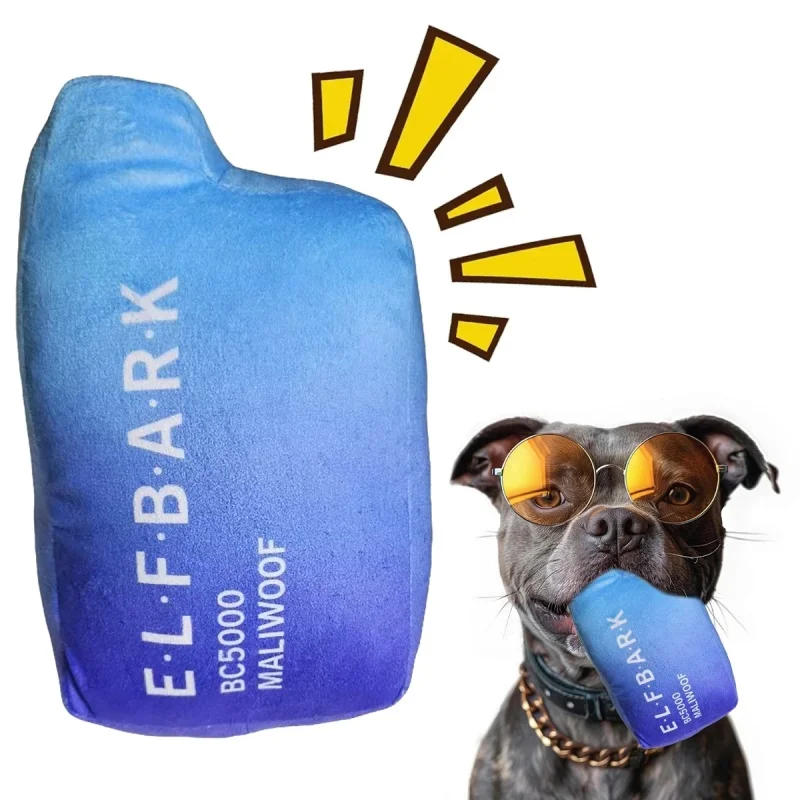
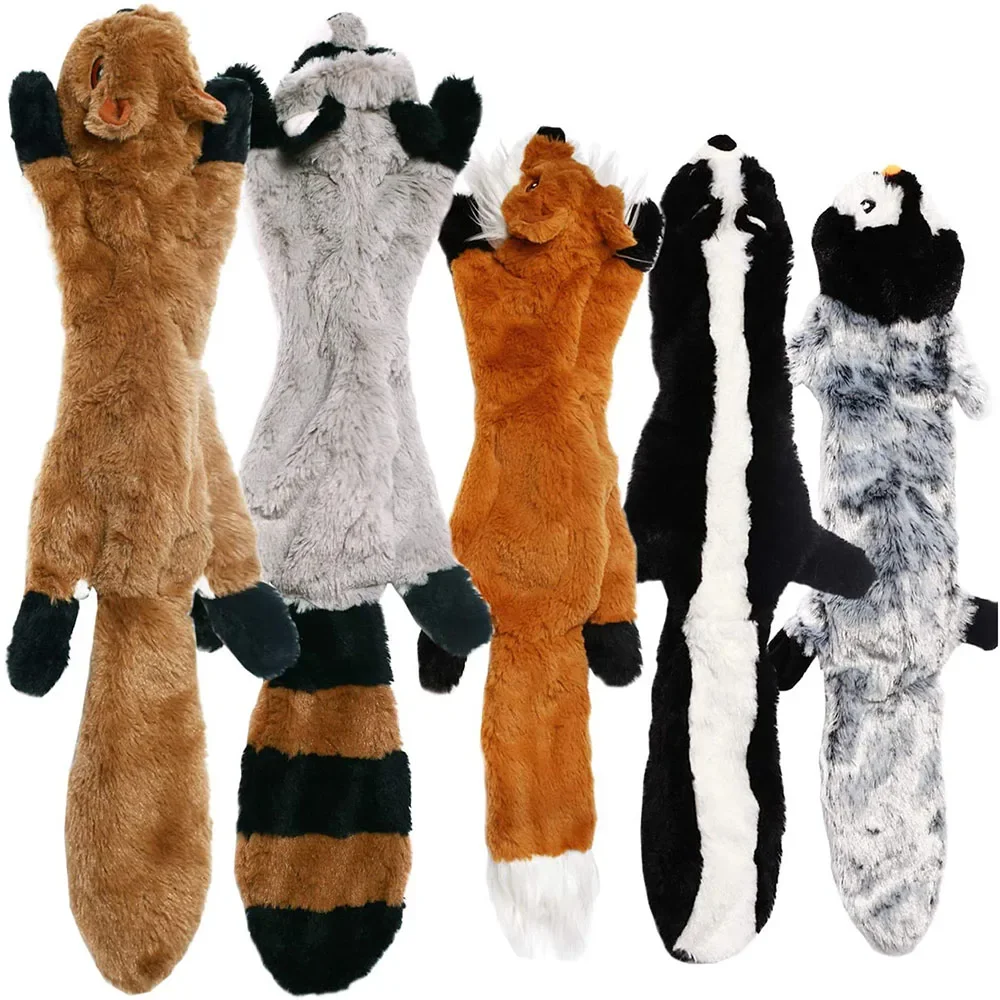
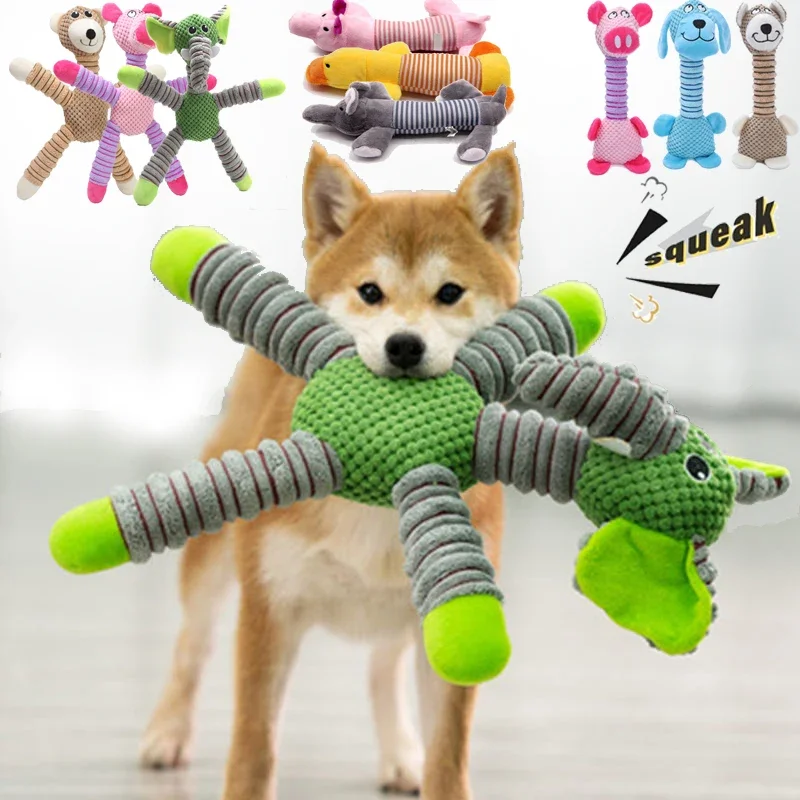
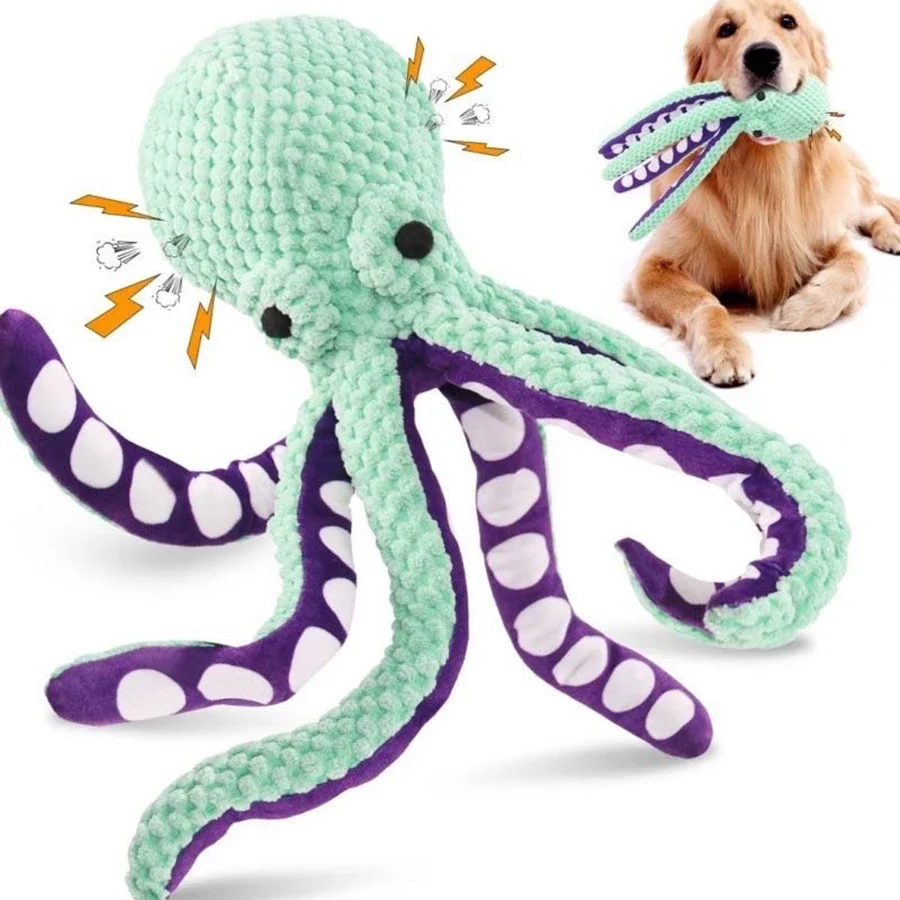
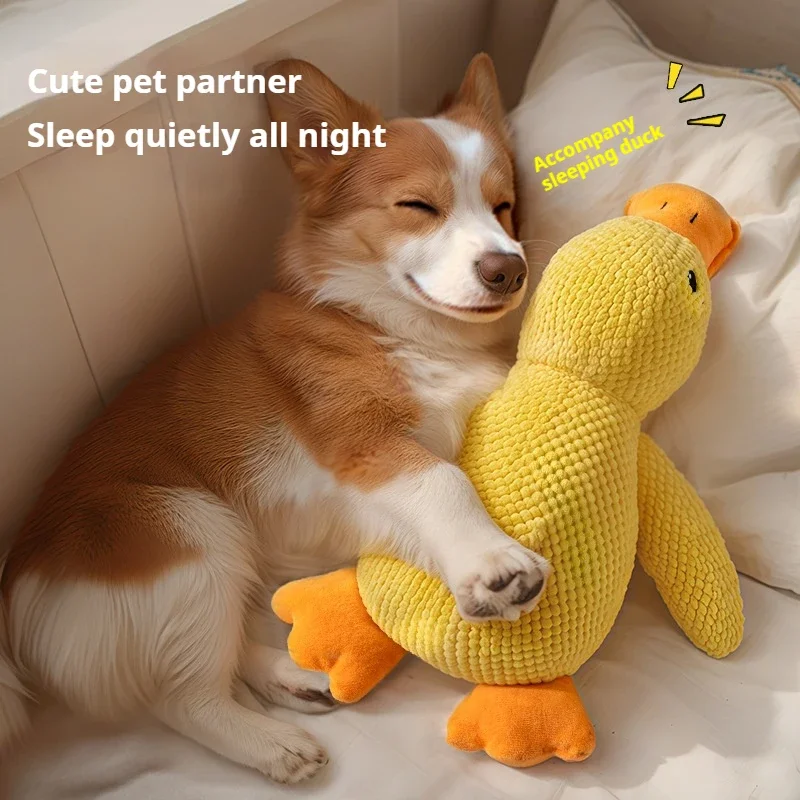
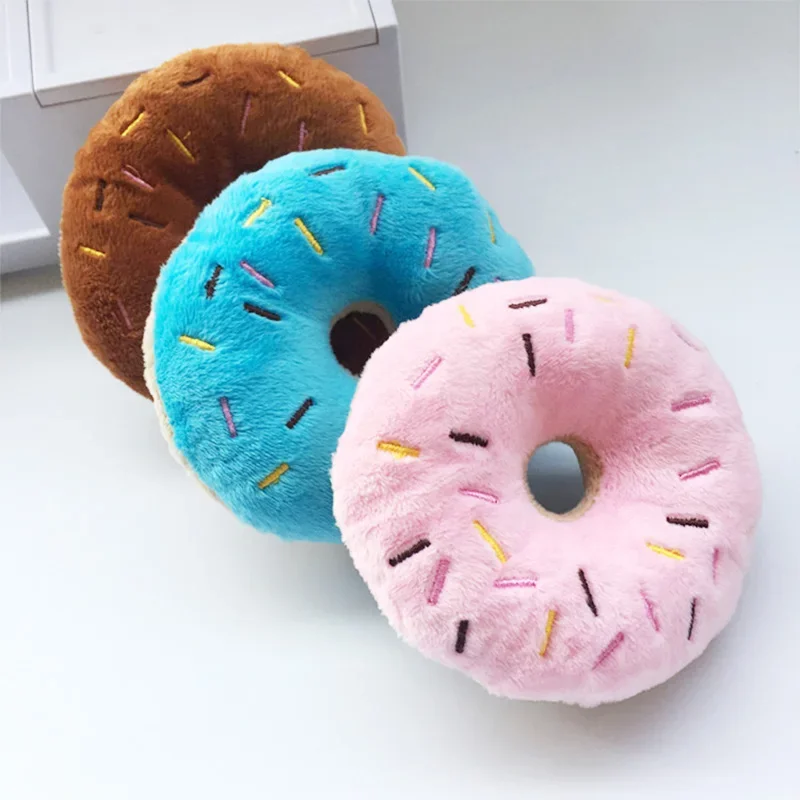
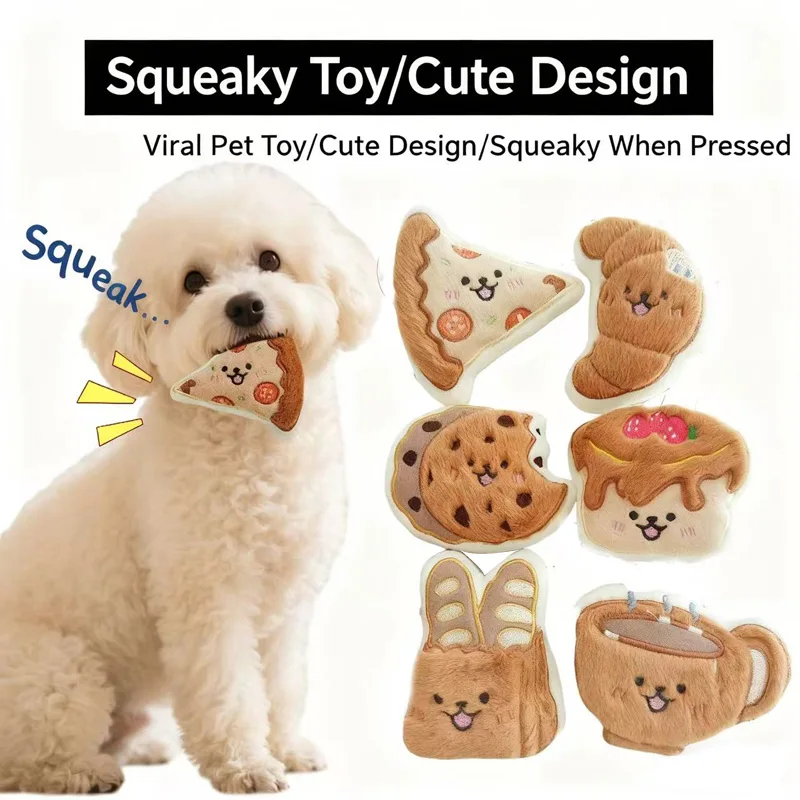
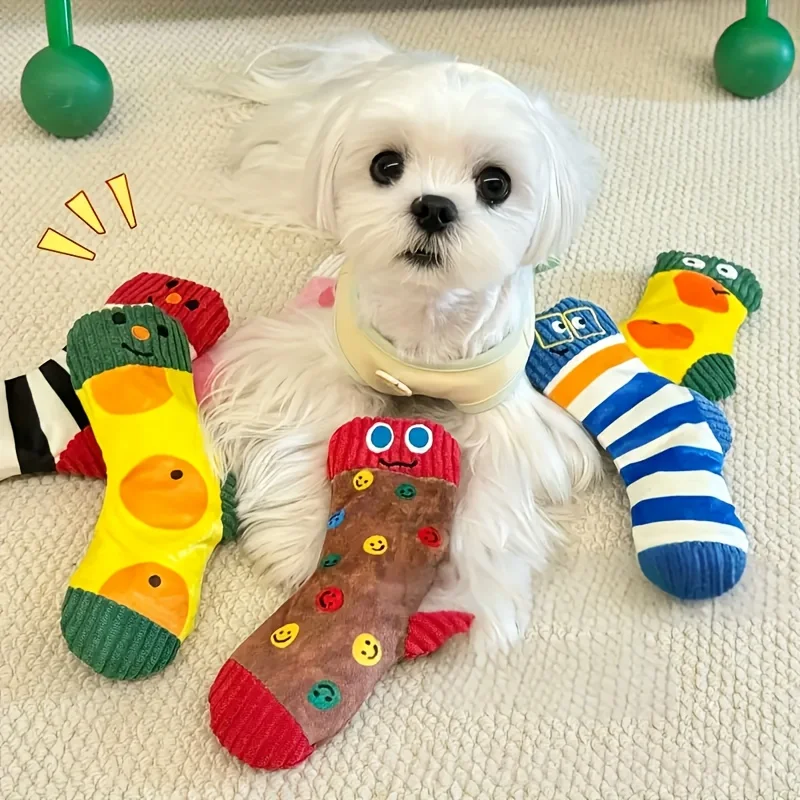
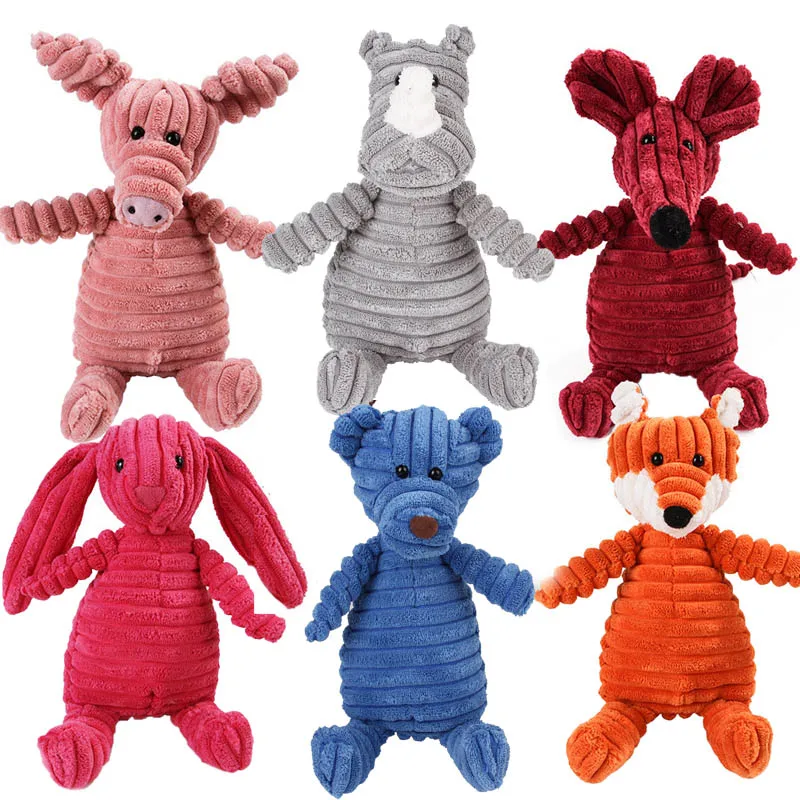
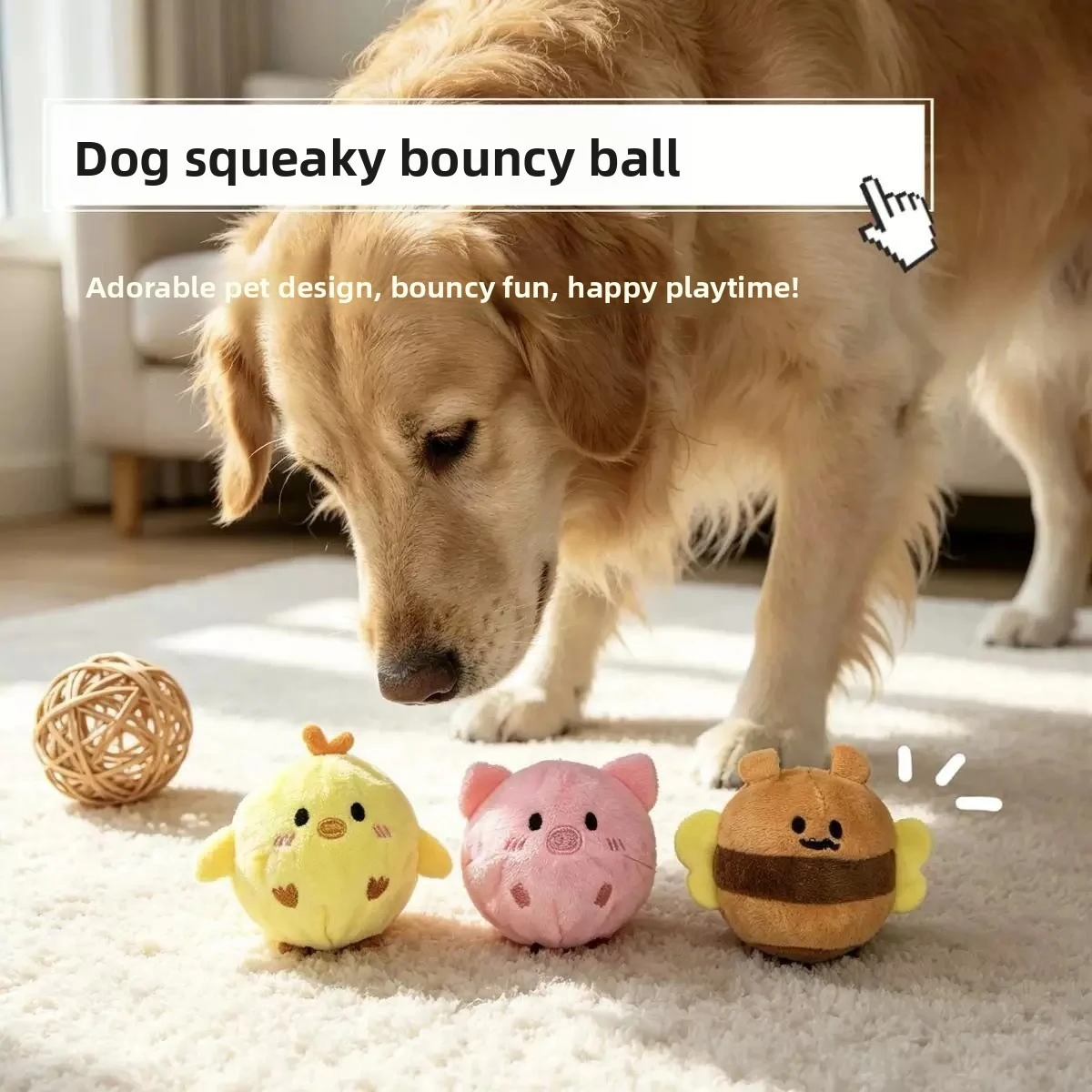
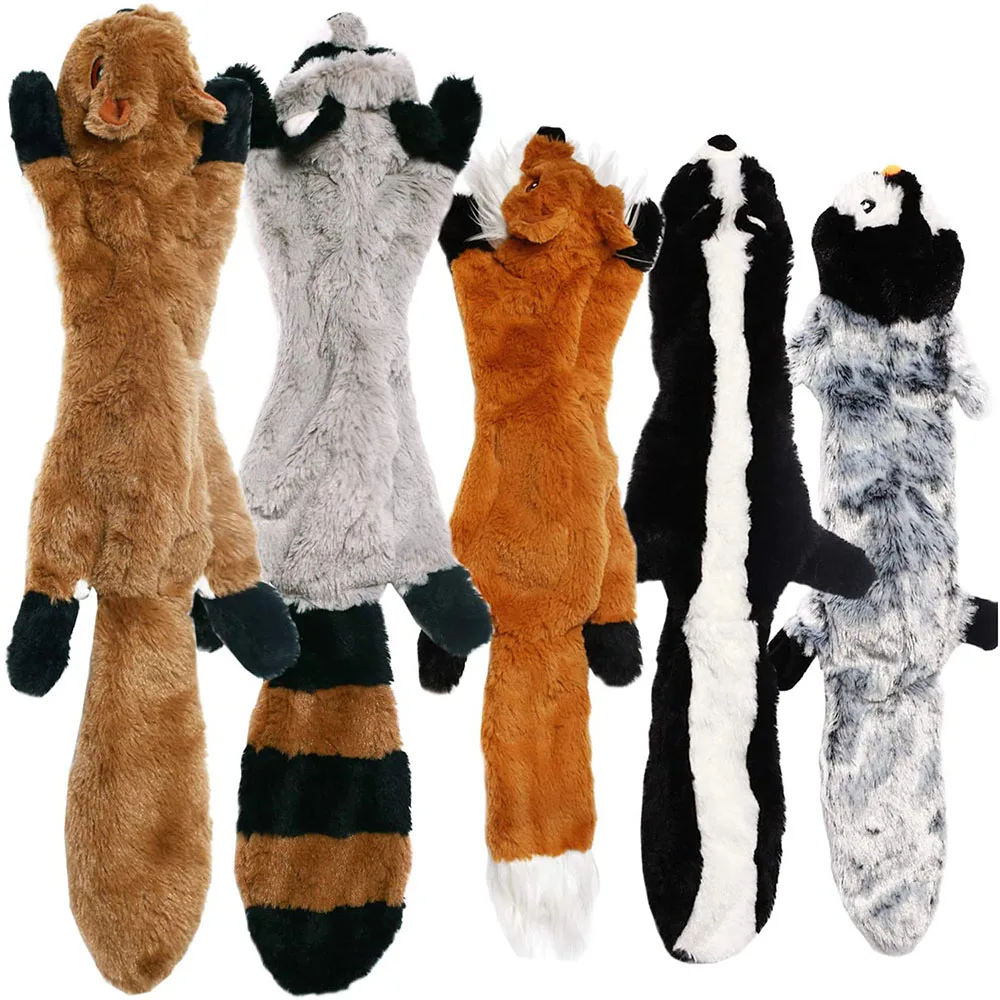
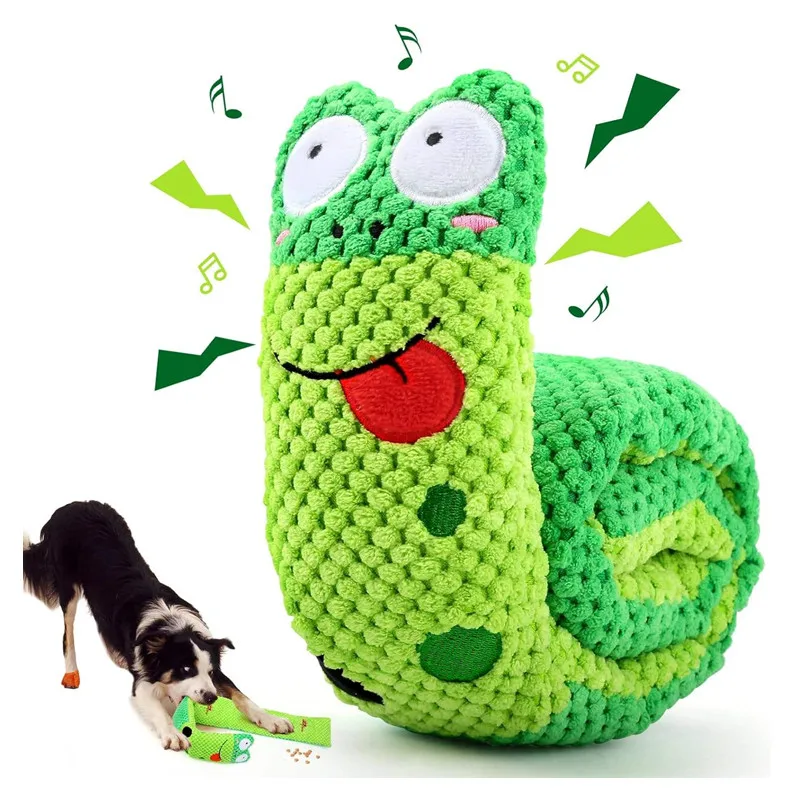
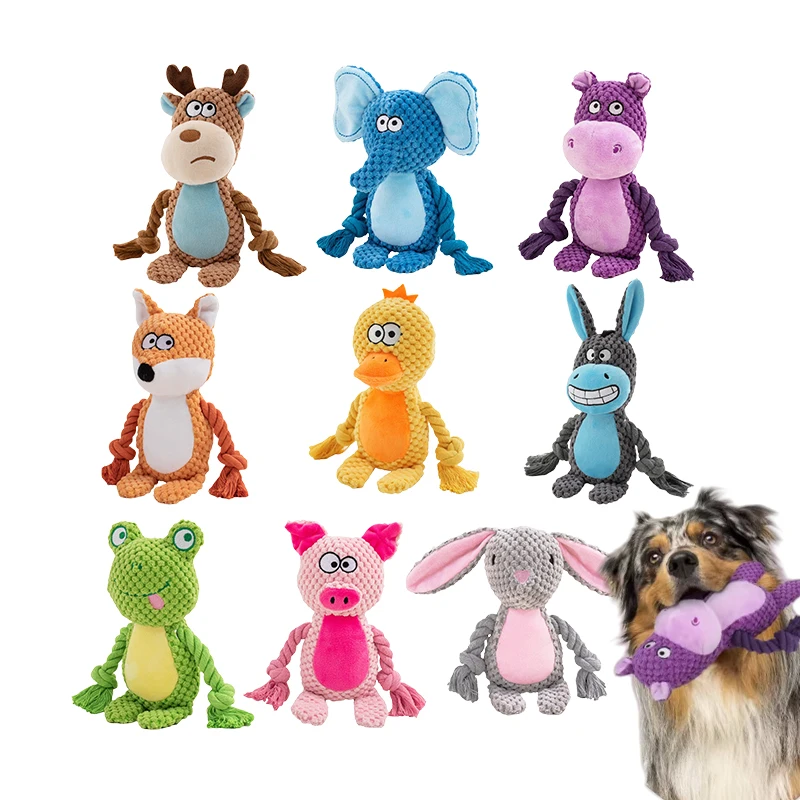
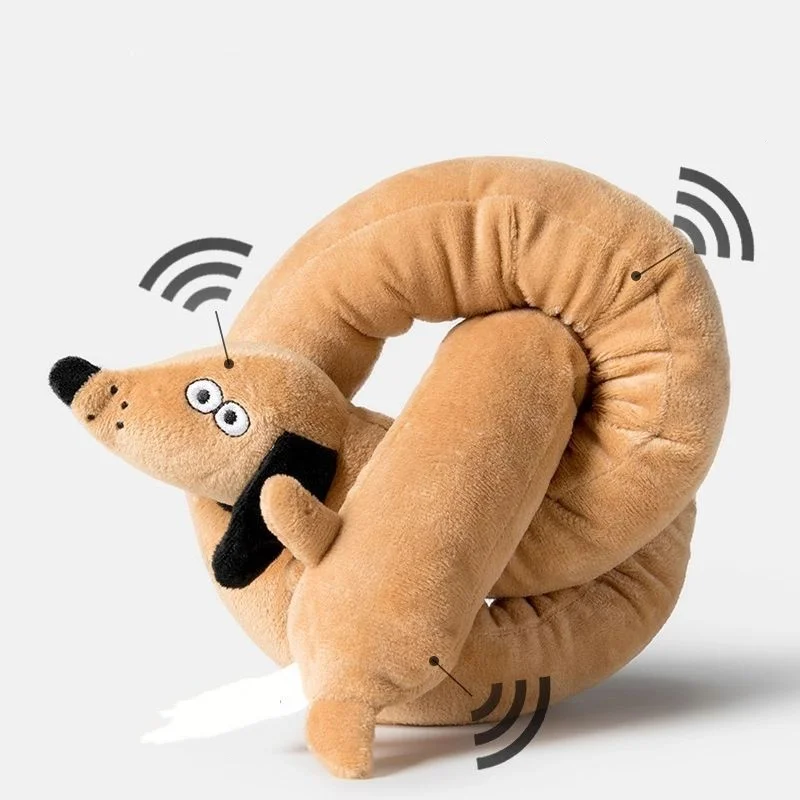
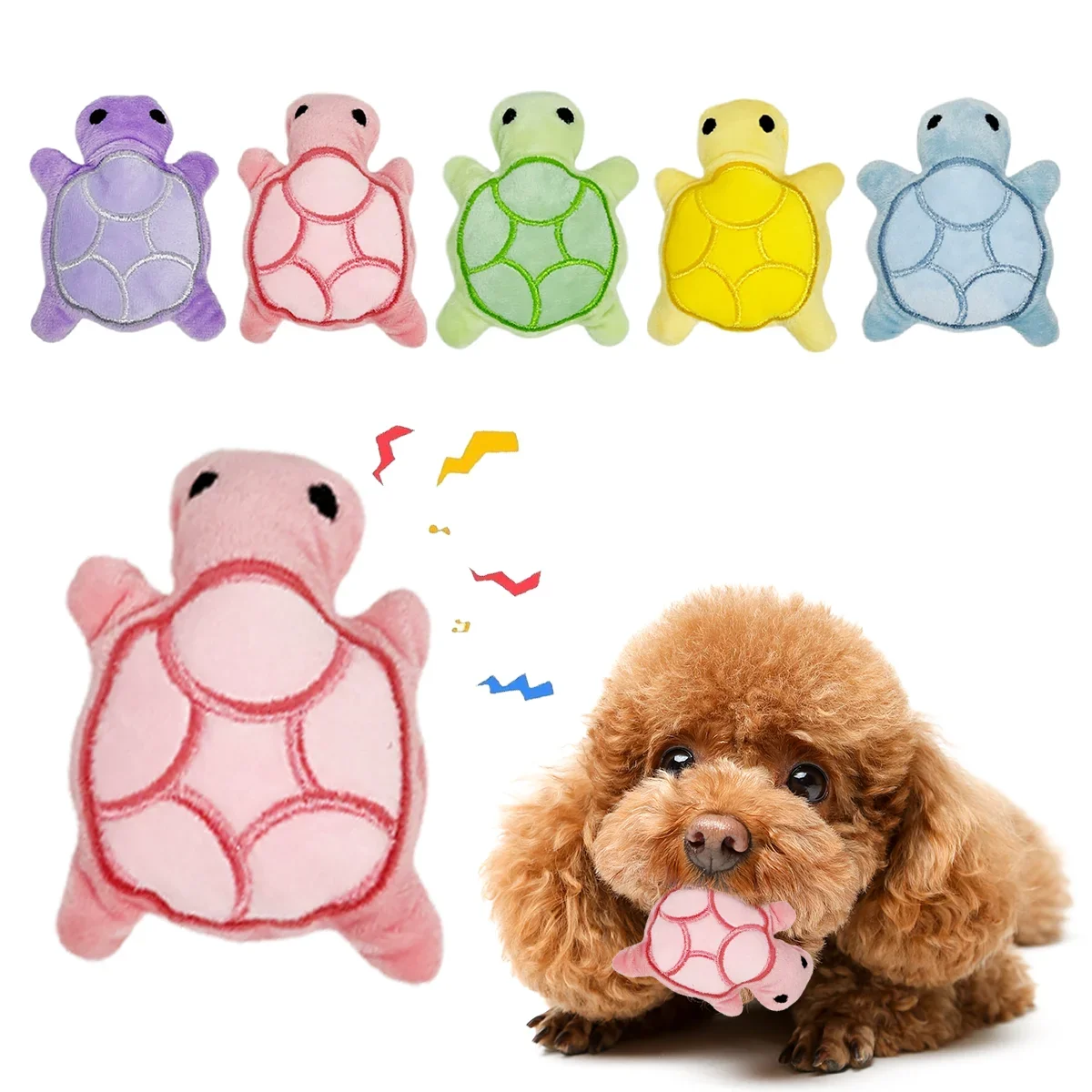
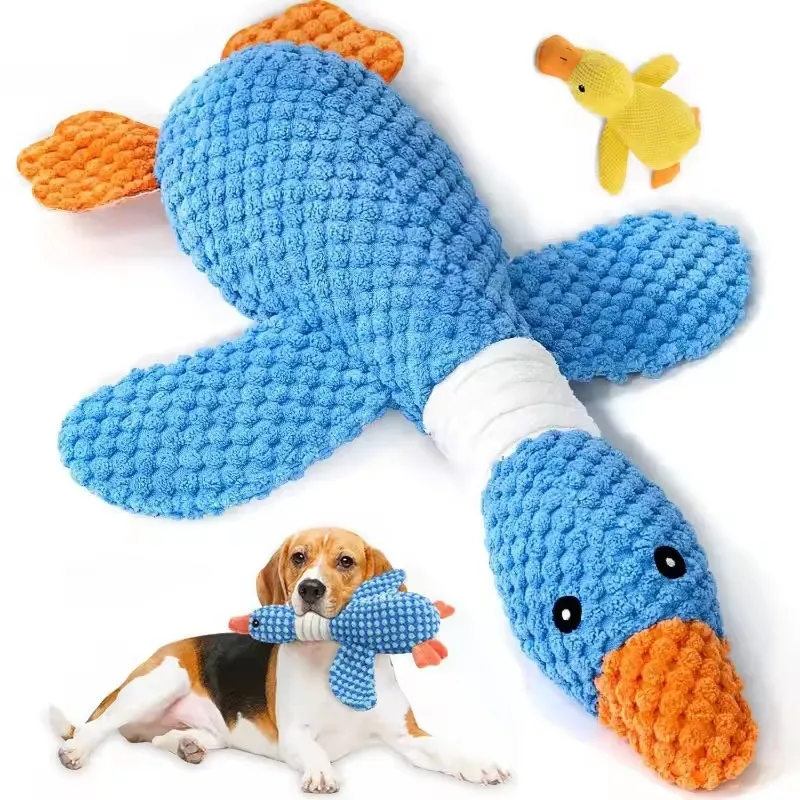
Squeaky toys are the classic: plush ducks, octopuses, donuts and animals with a squeaker inside. Stuffing-free versions are a good choice for dogs that like to pull toys apart.
Rope and tug toys
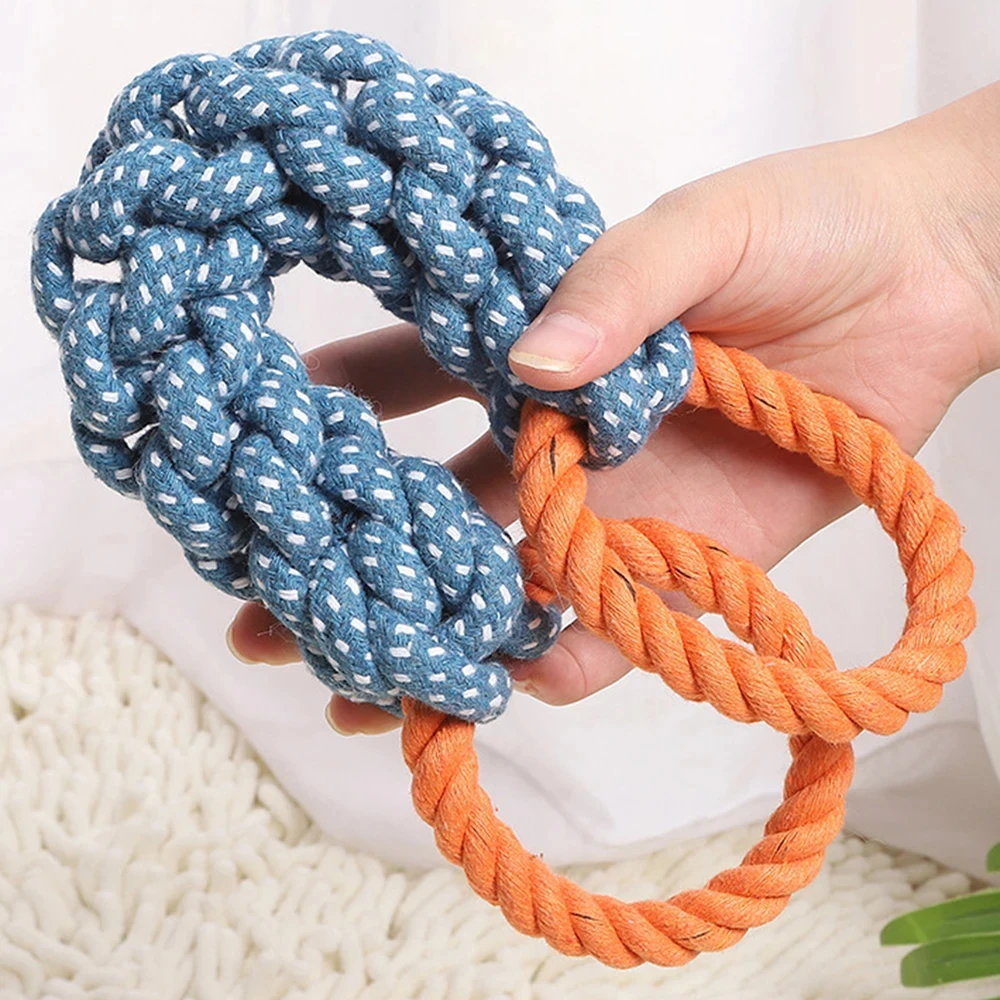
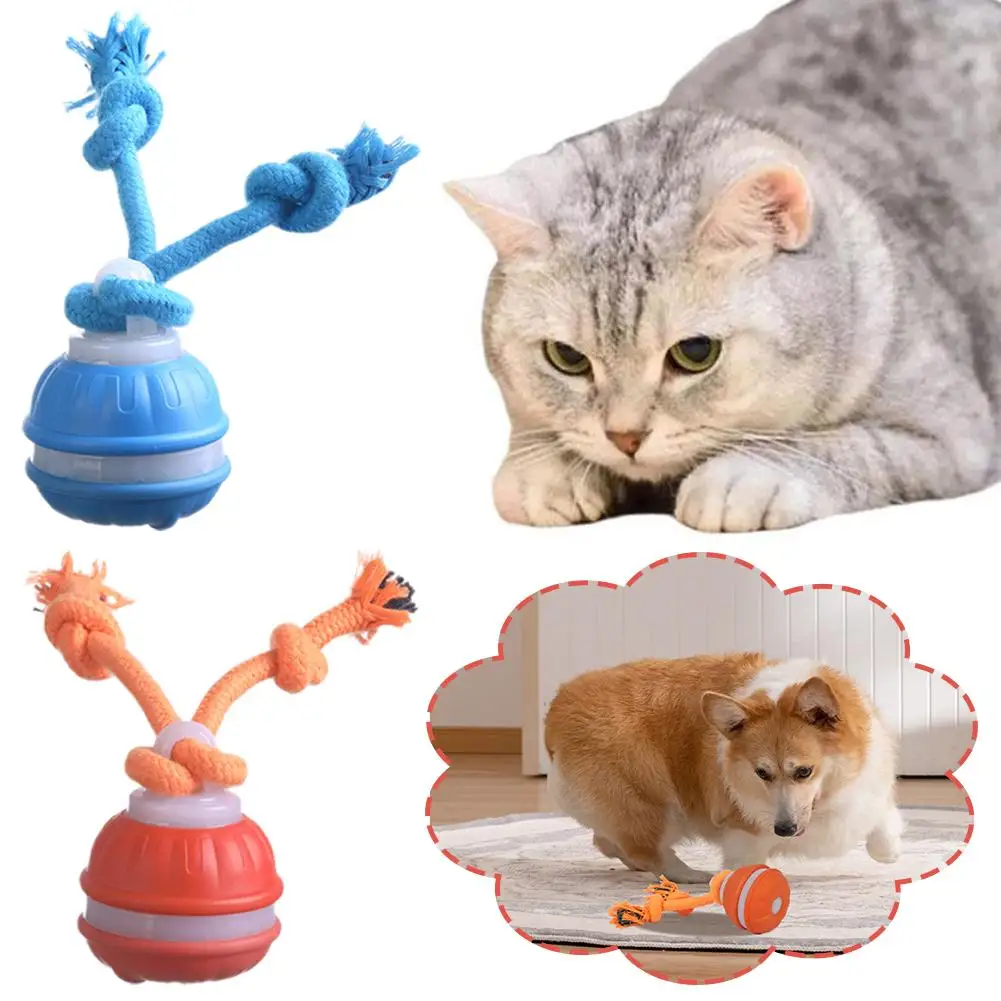
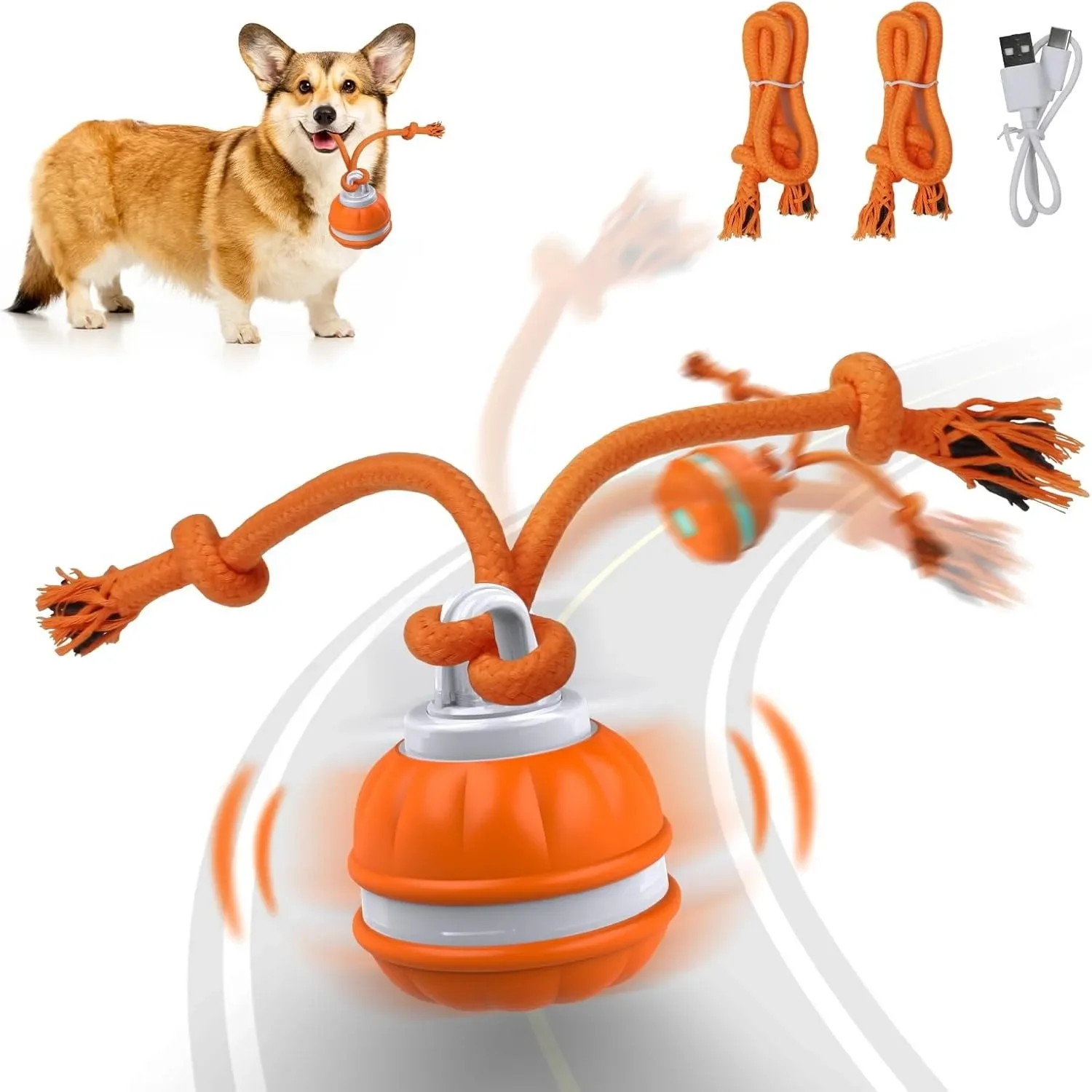
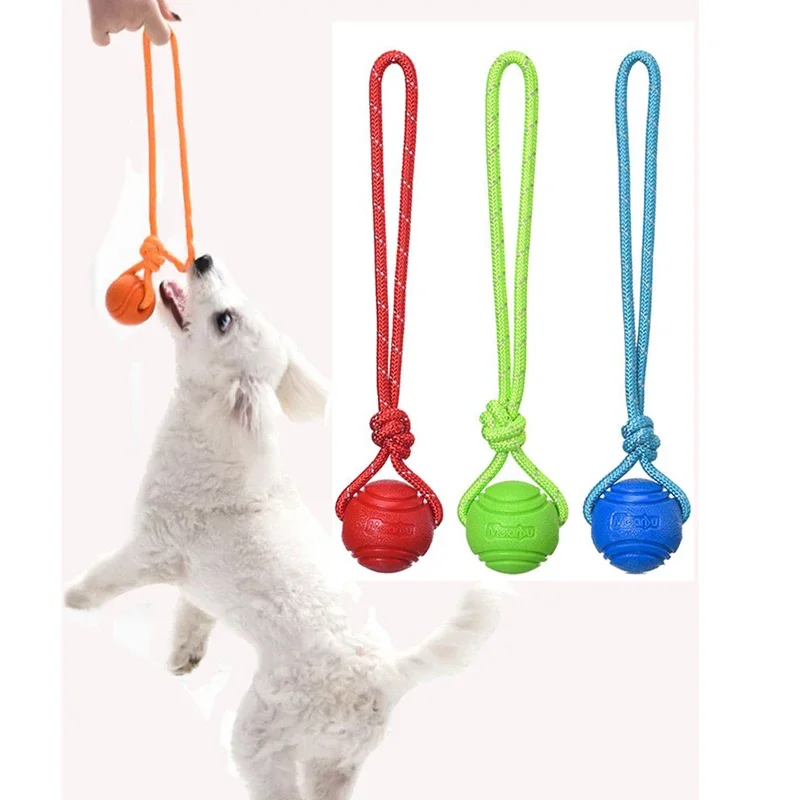
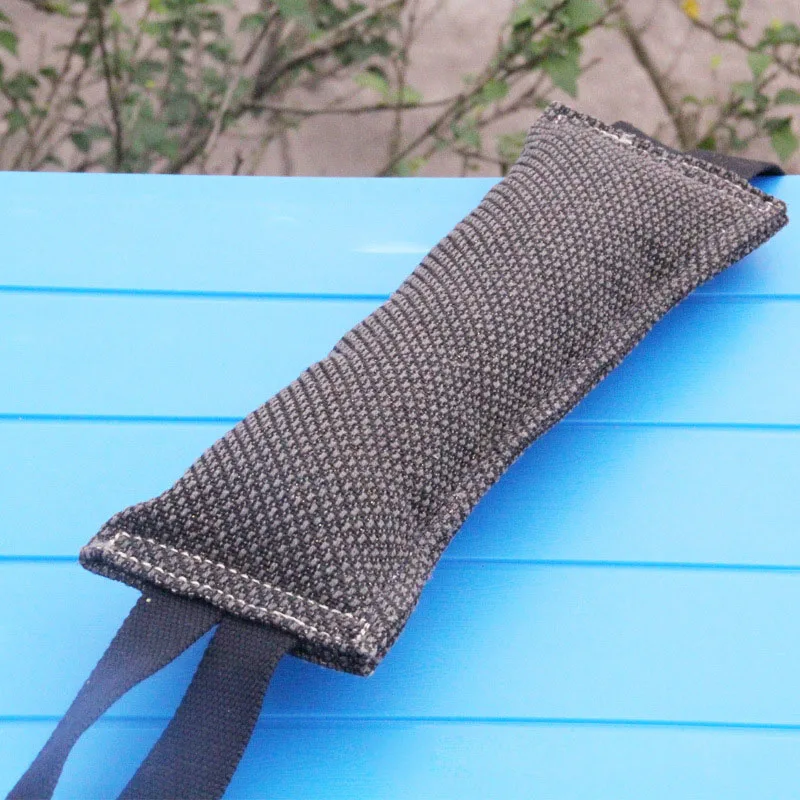
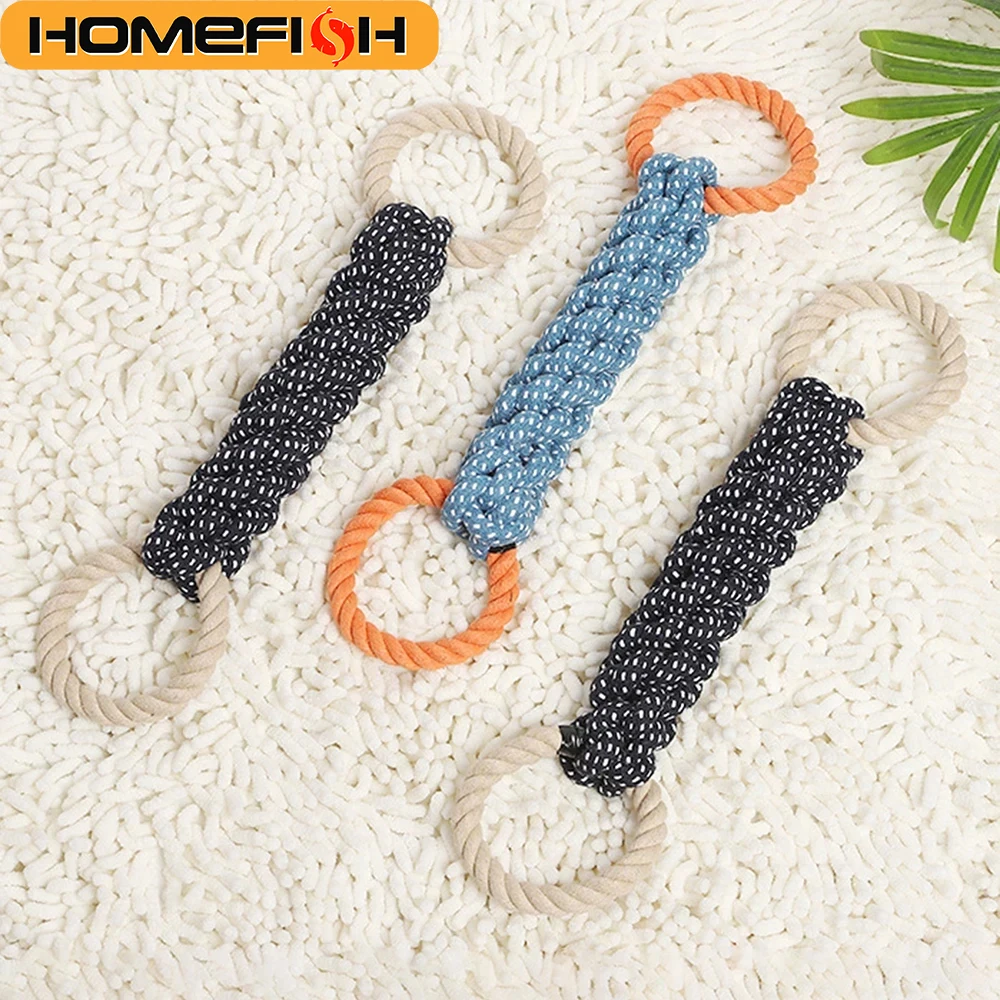
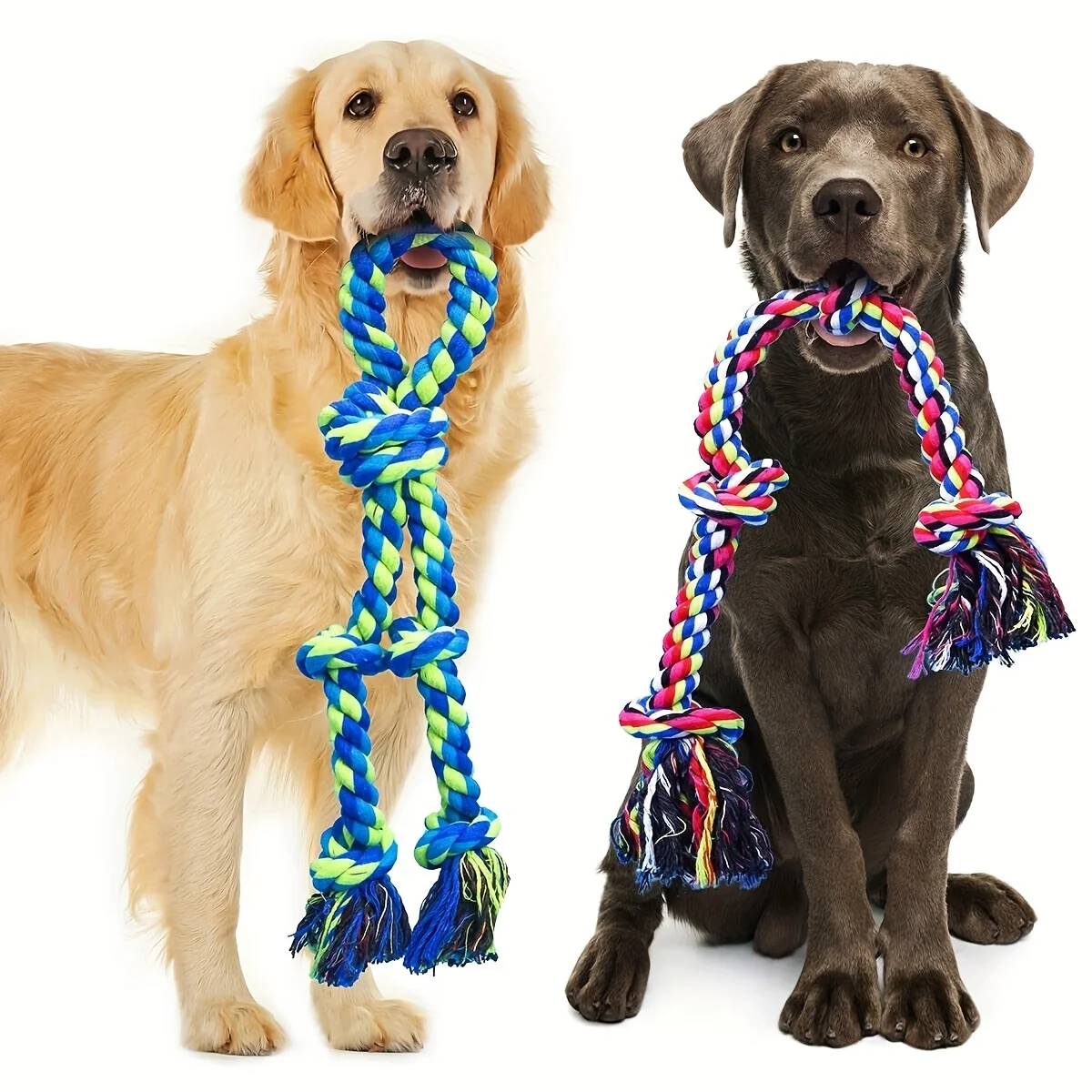
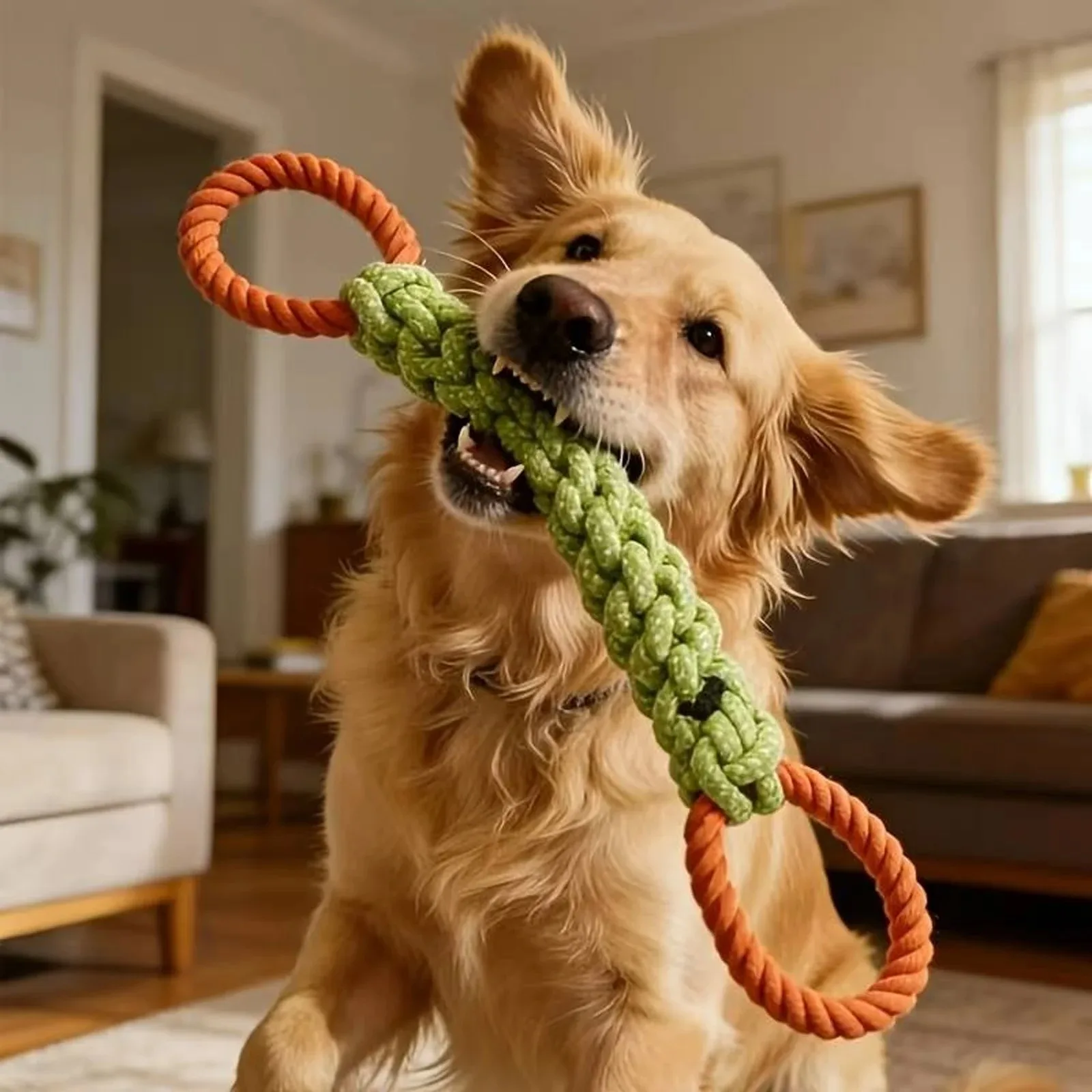
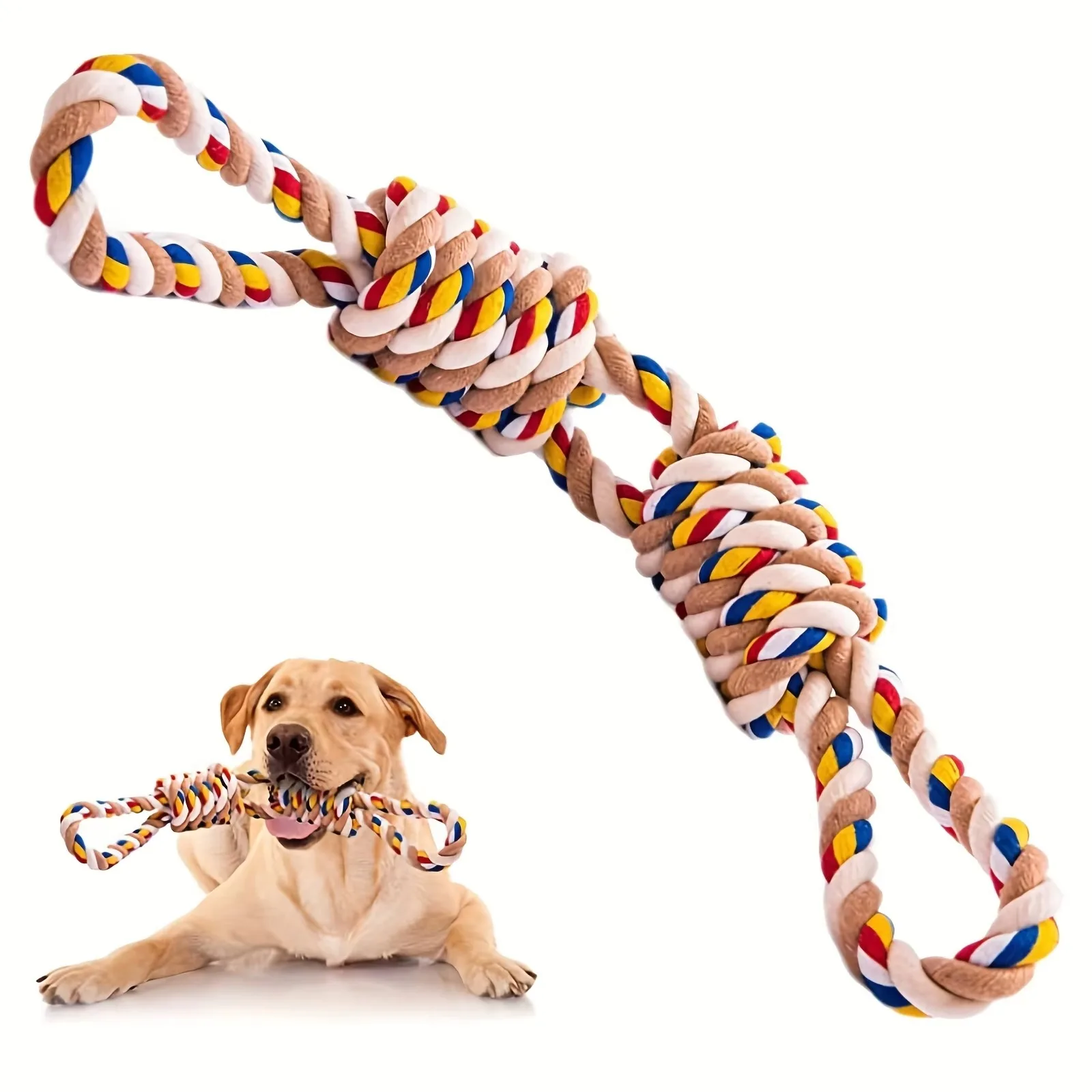
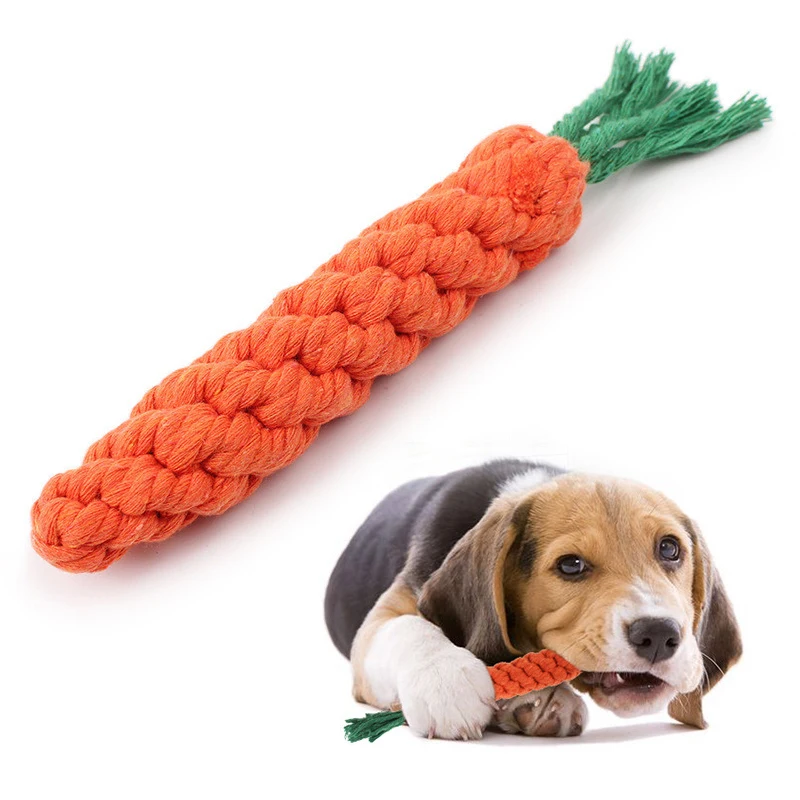
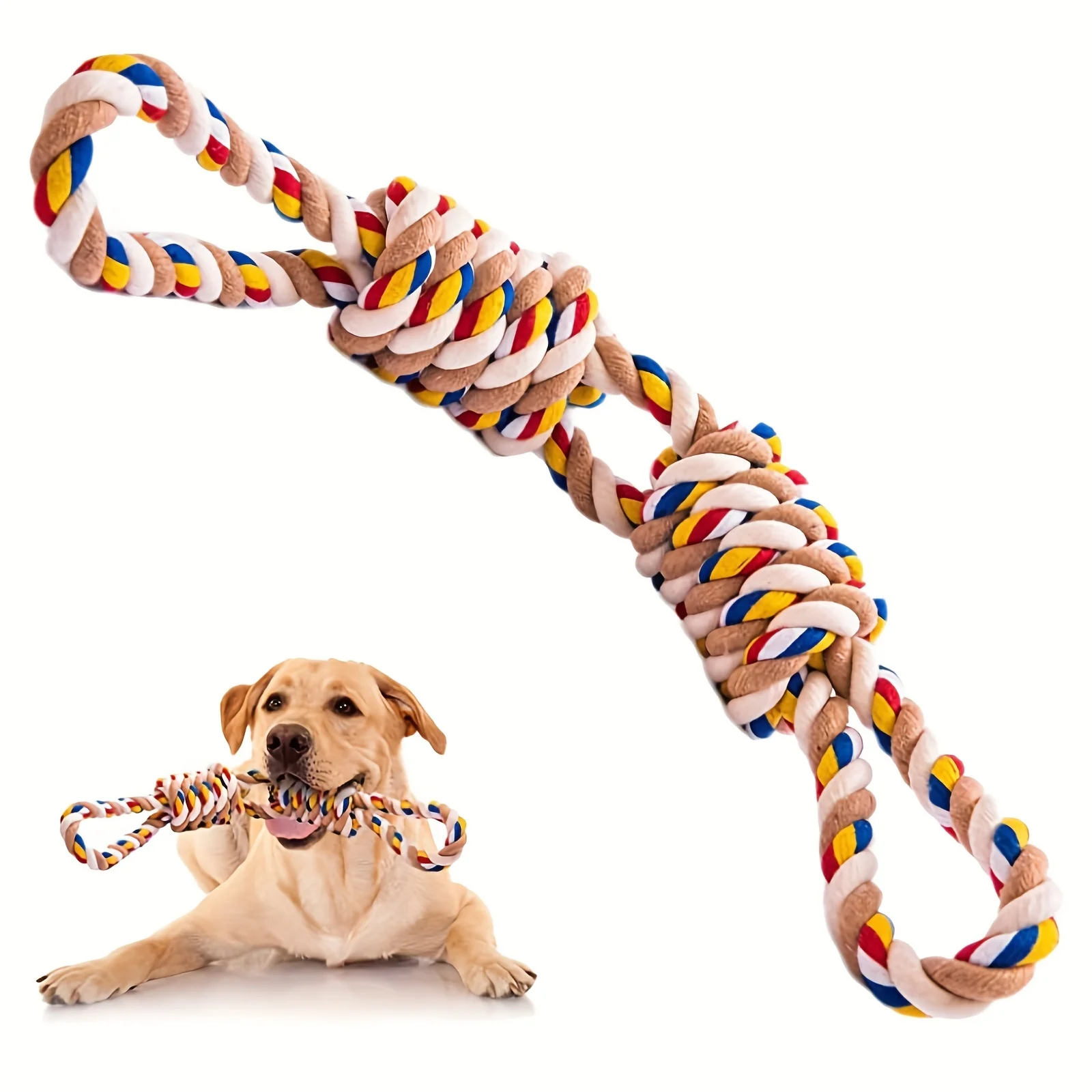
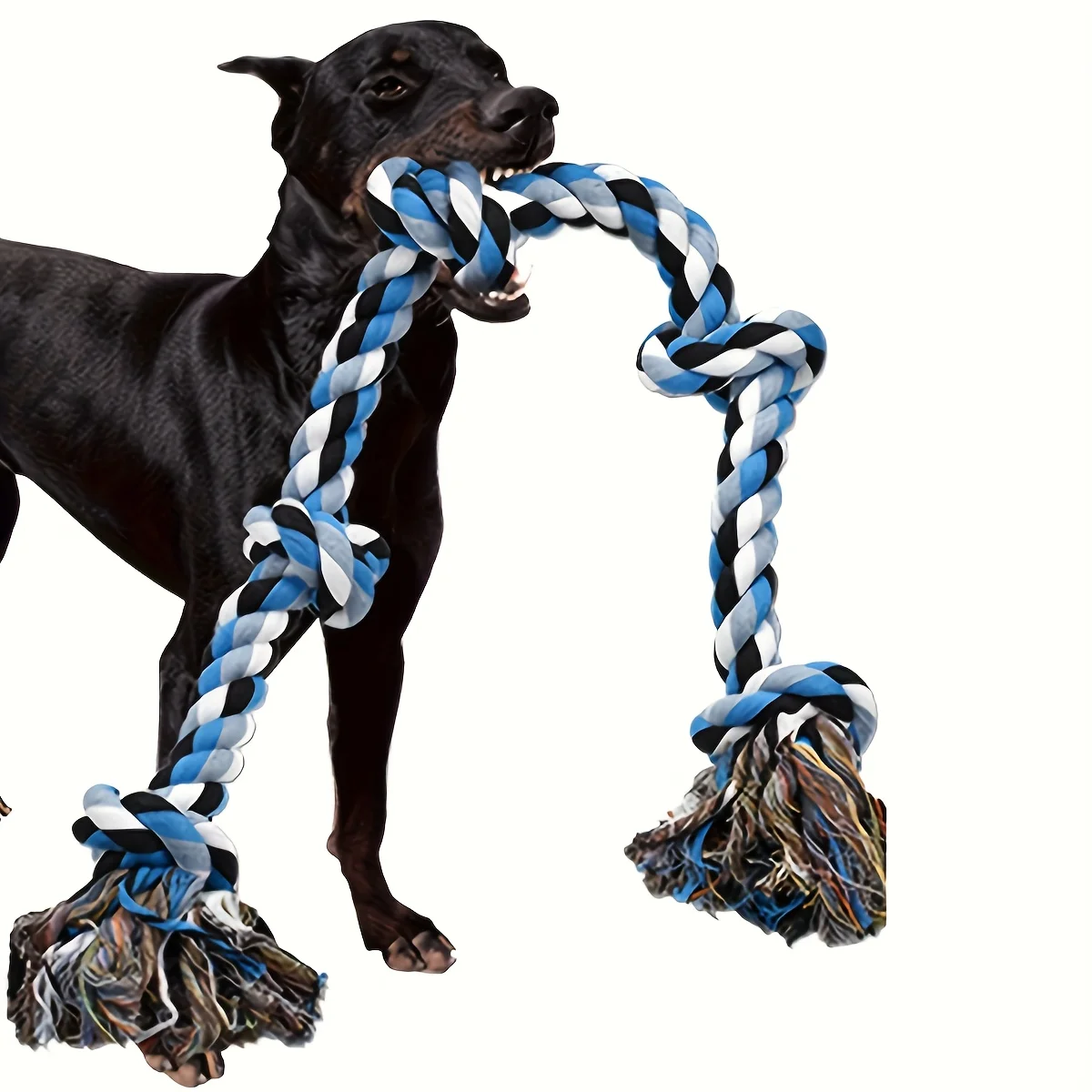
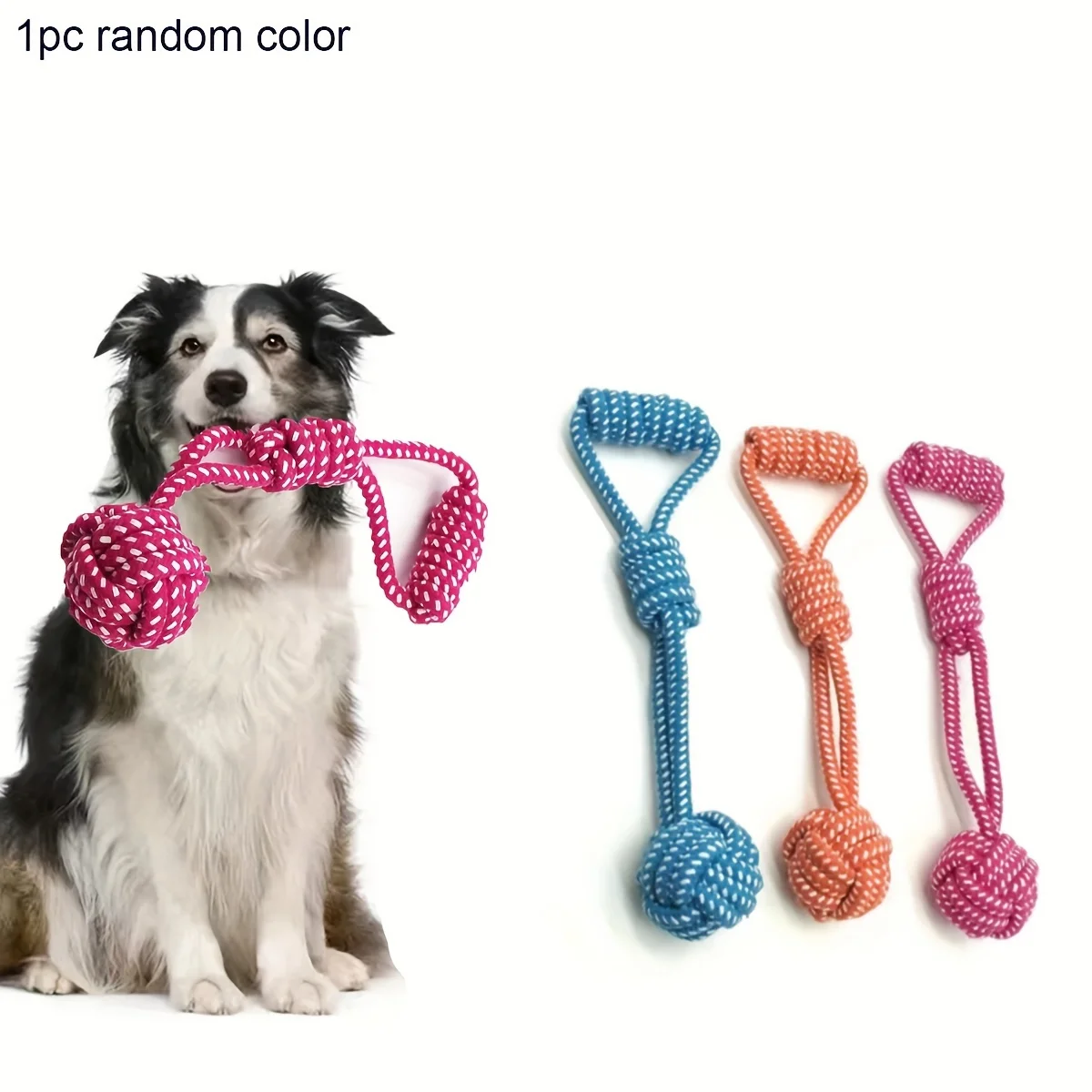
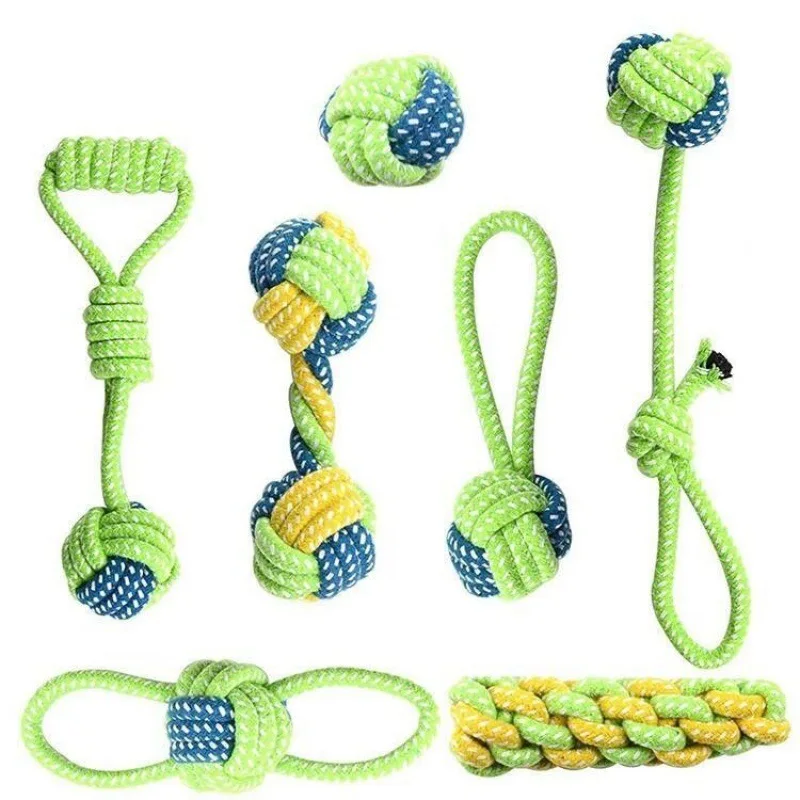
Rope toys are made from knotted cotton or jute, for tug of war, fetch and chewing. Tugging is a great game to play together and a good reward in training.
Balls and ball launchers
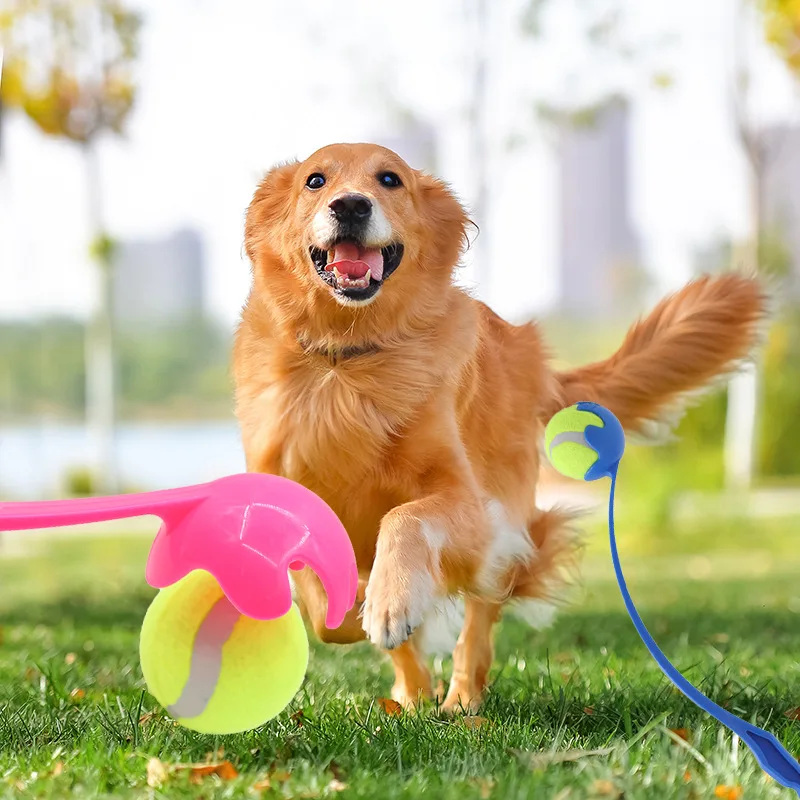
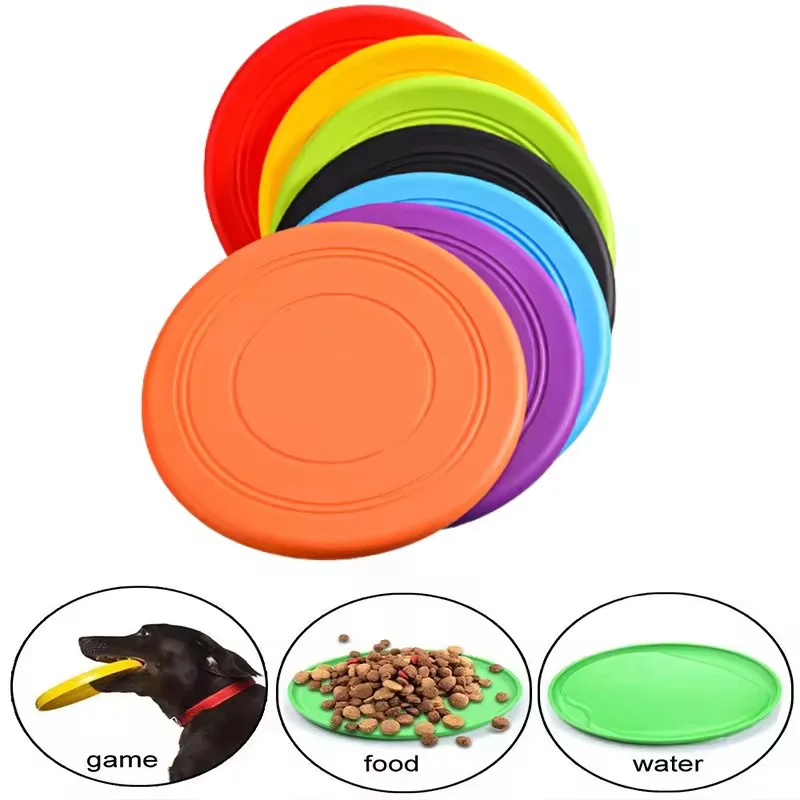
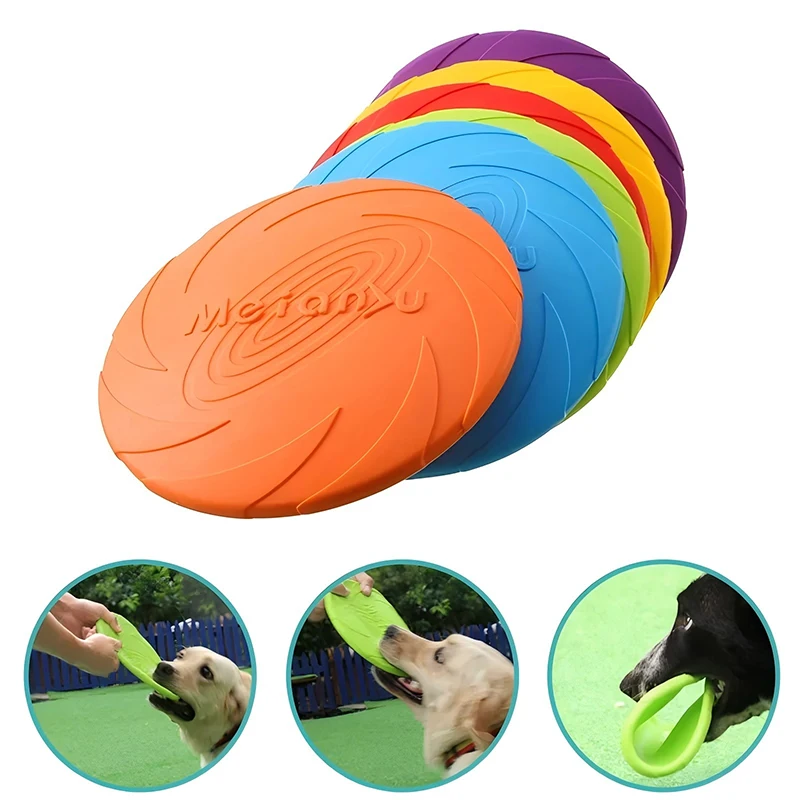
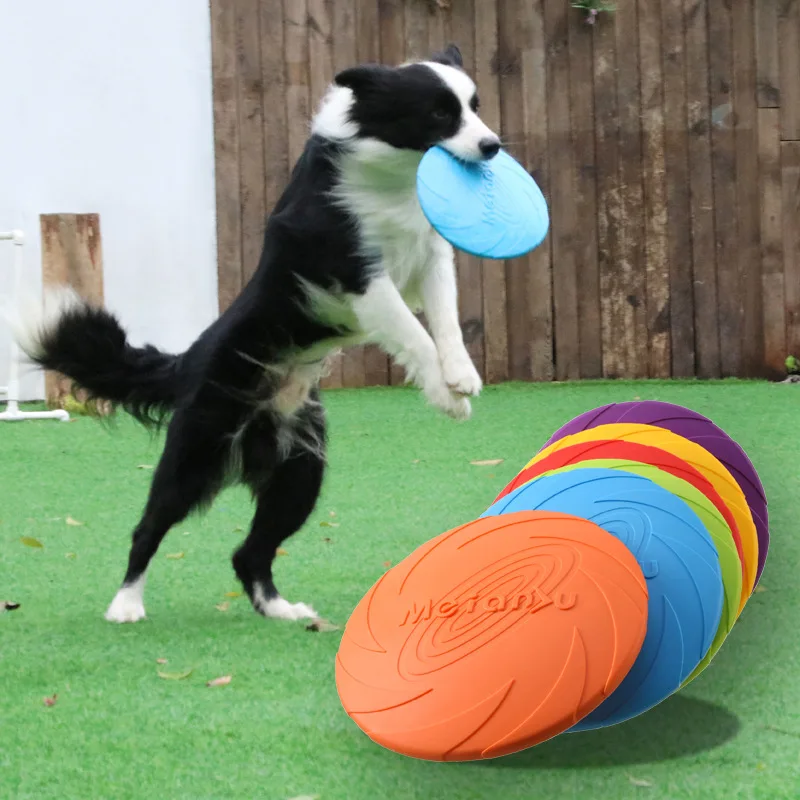
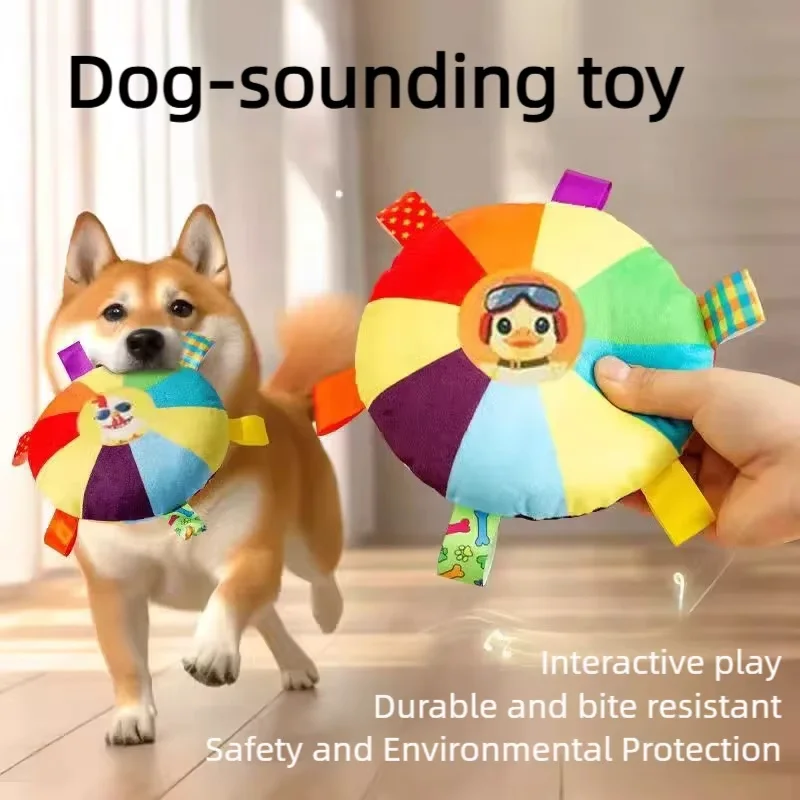
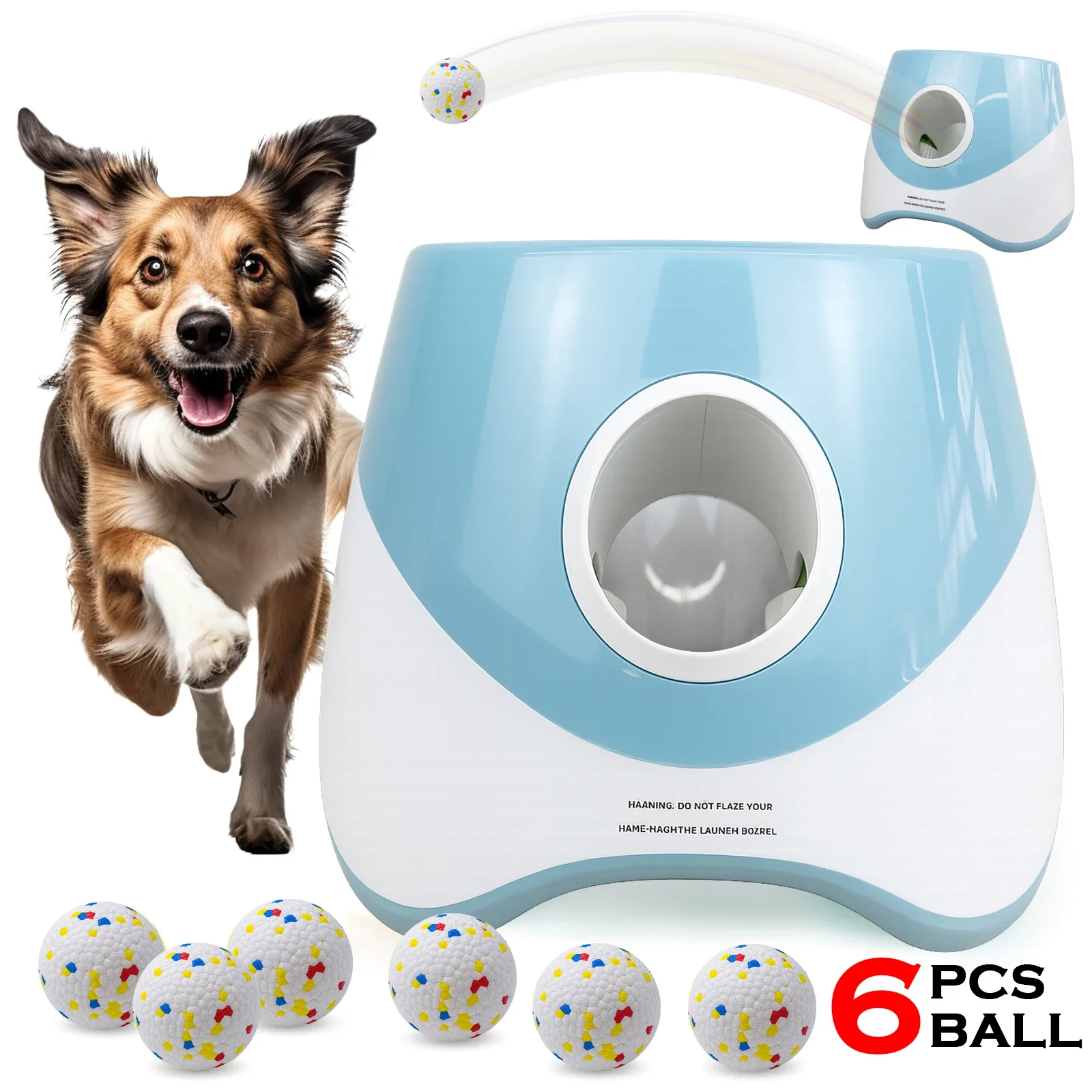
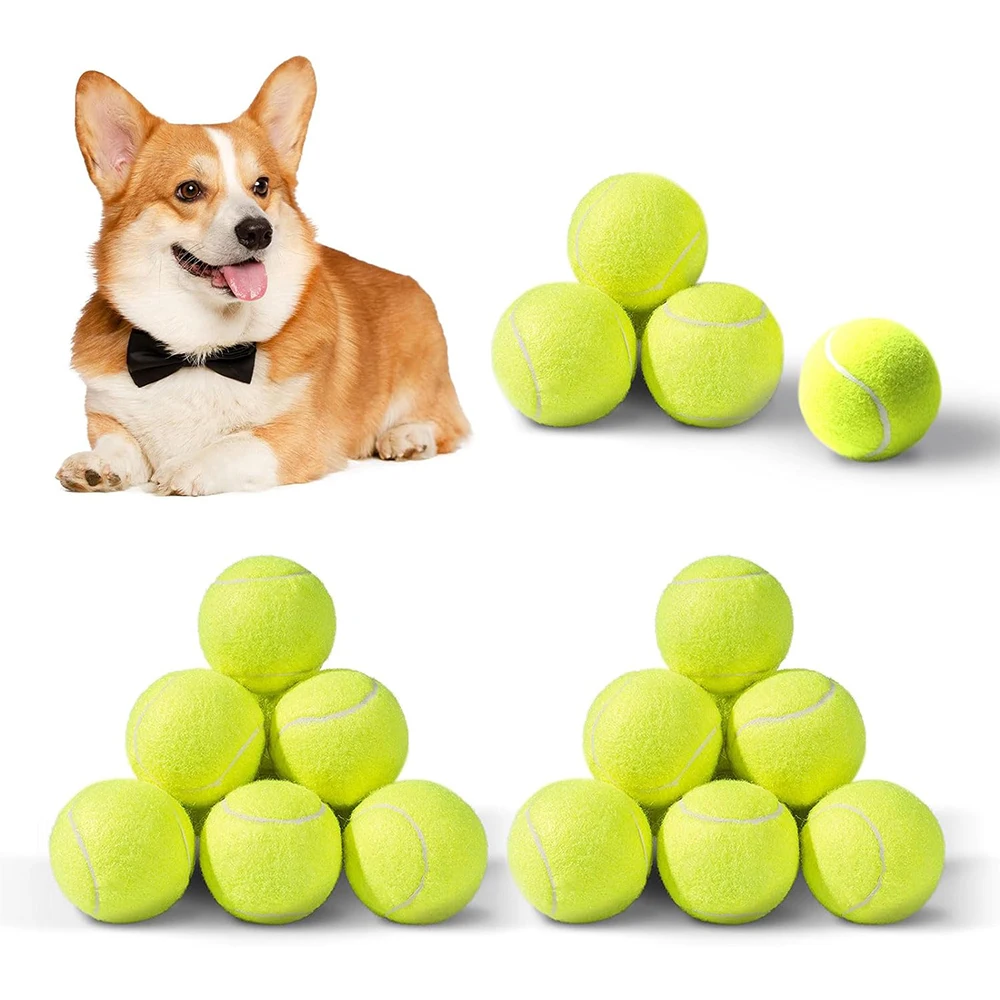
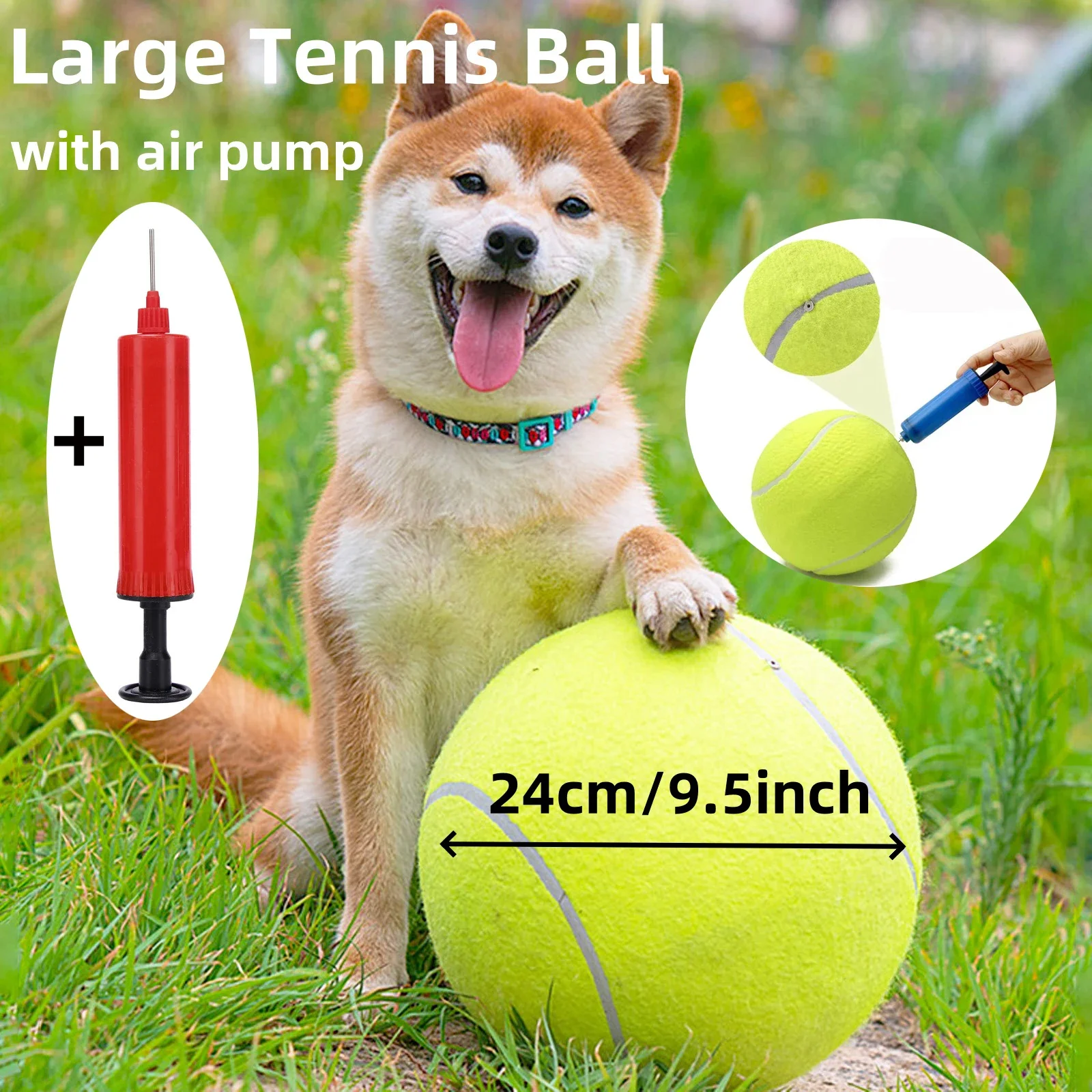
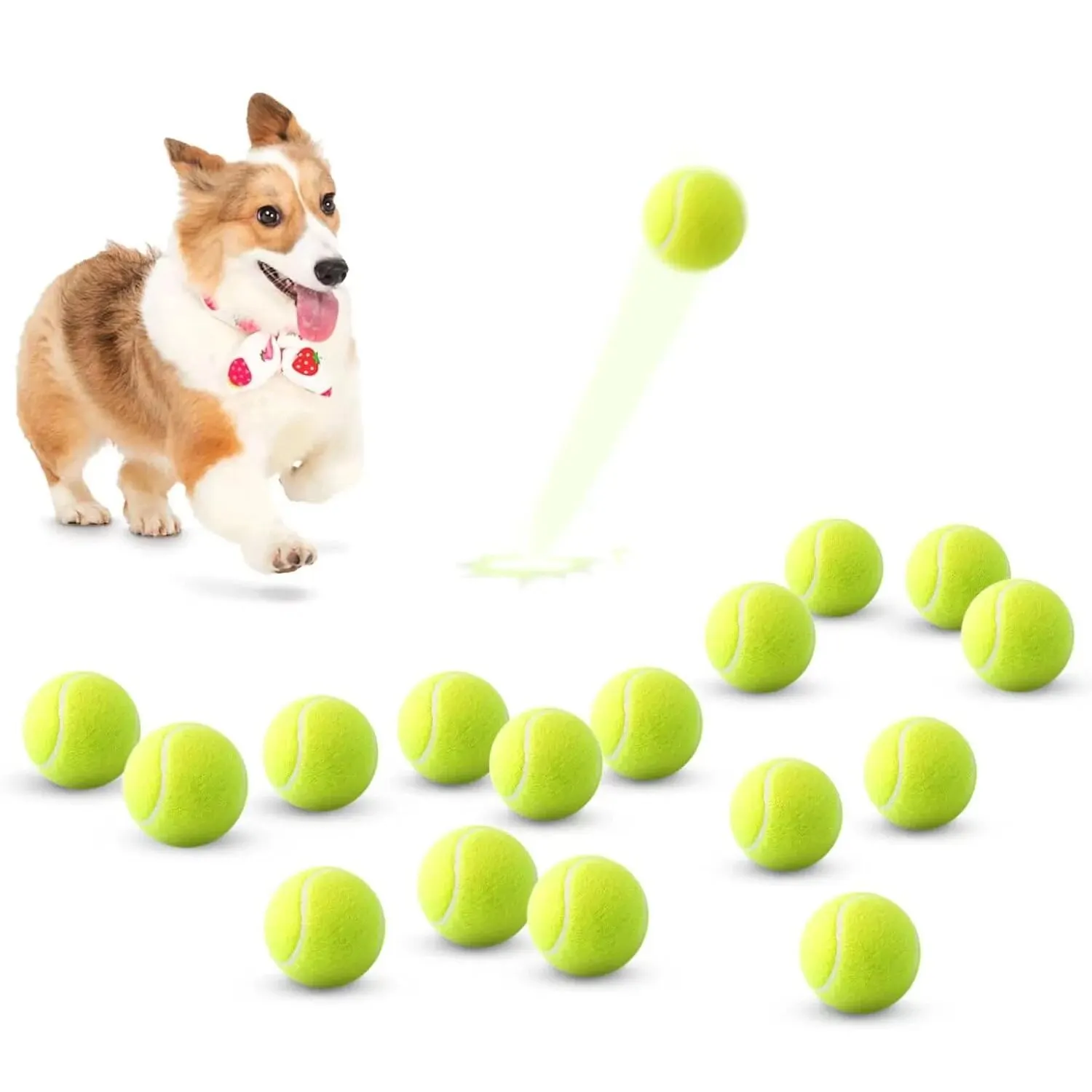
For dogs that live to fetch: tennis balls, frisbees, a long-handled ball launcher and an automatic launcher that throws the ball for them.
Puzzle toys and treat dispensers
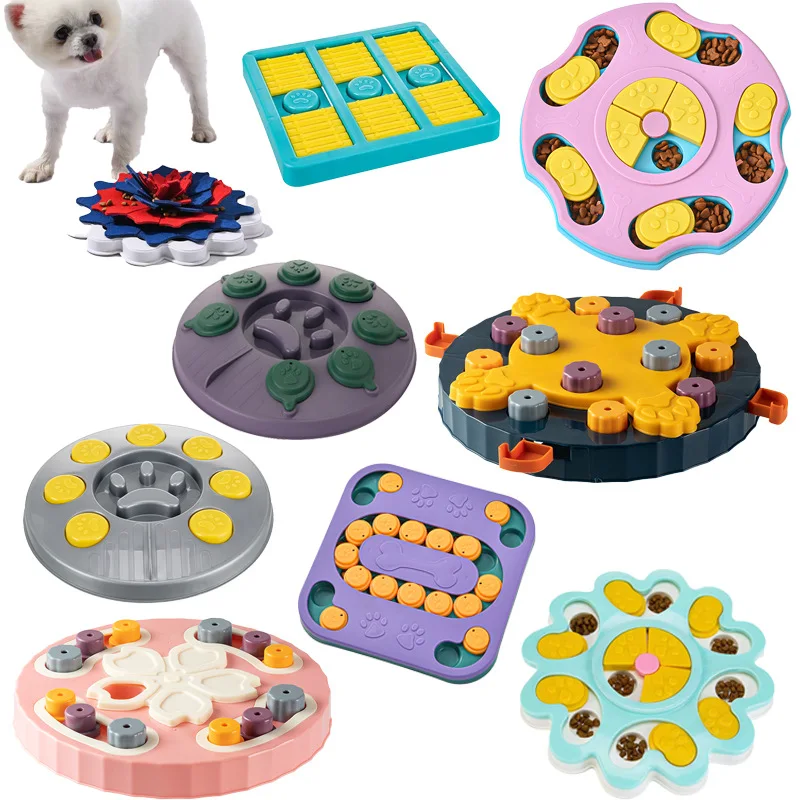
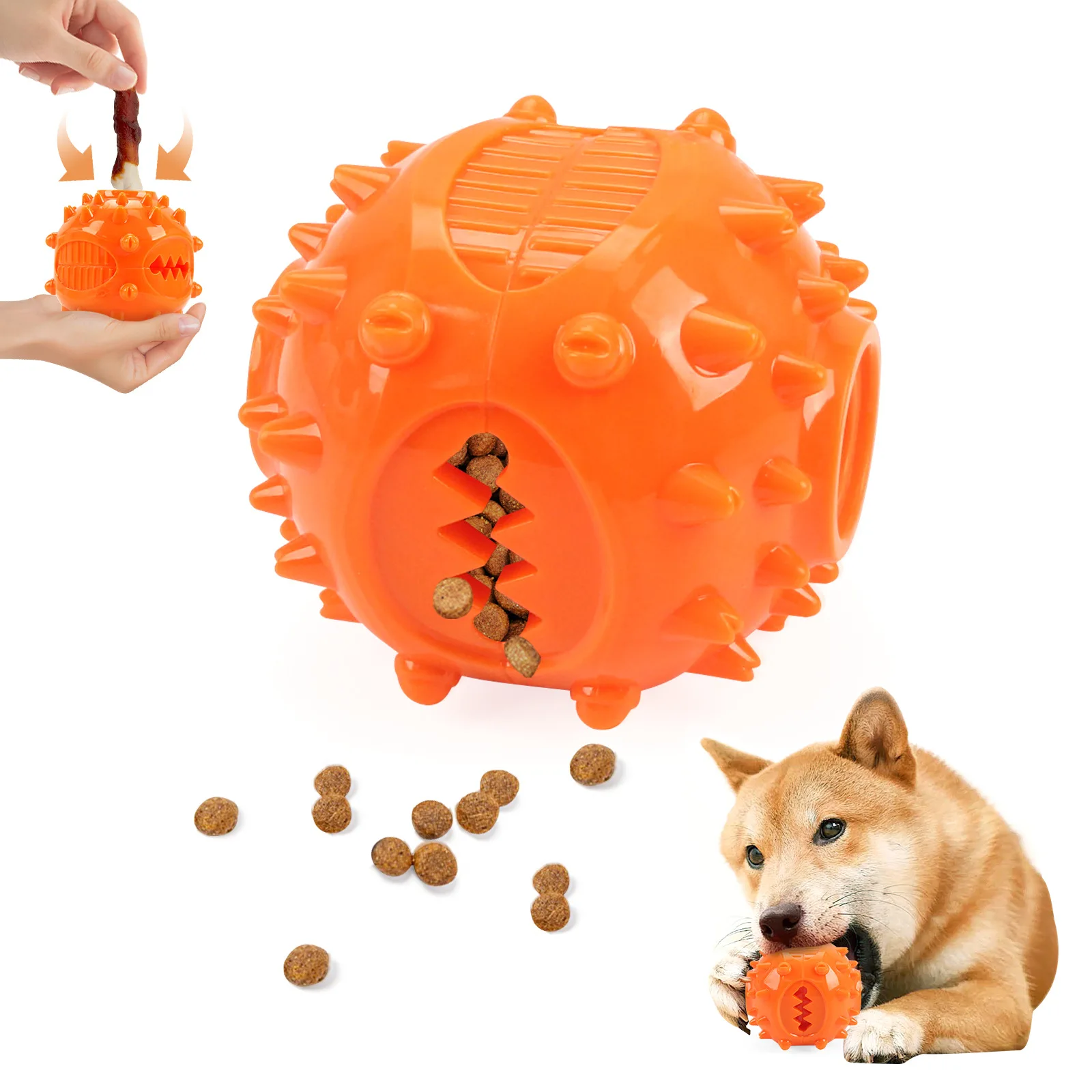
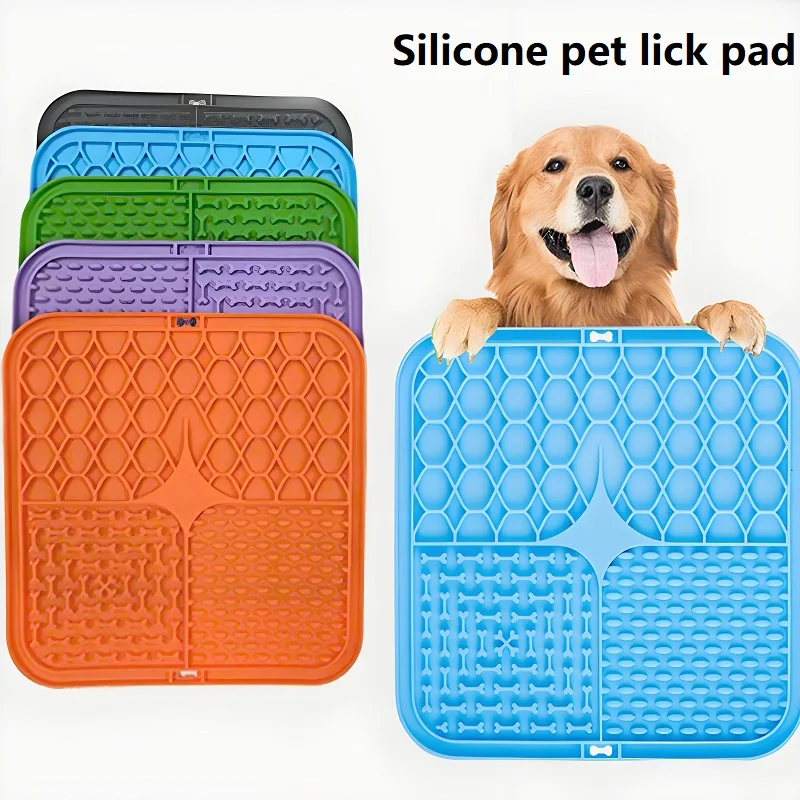
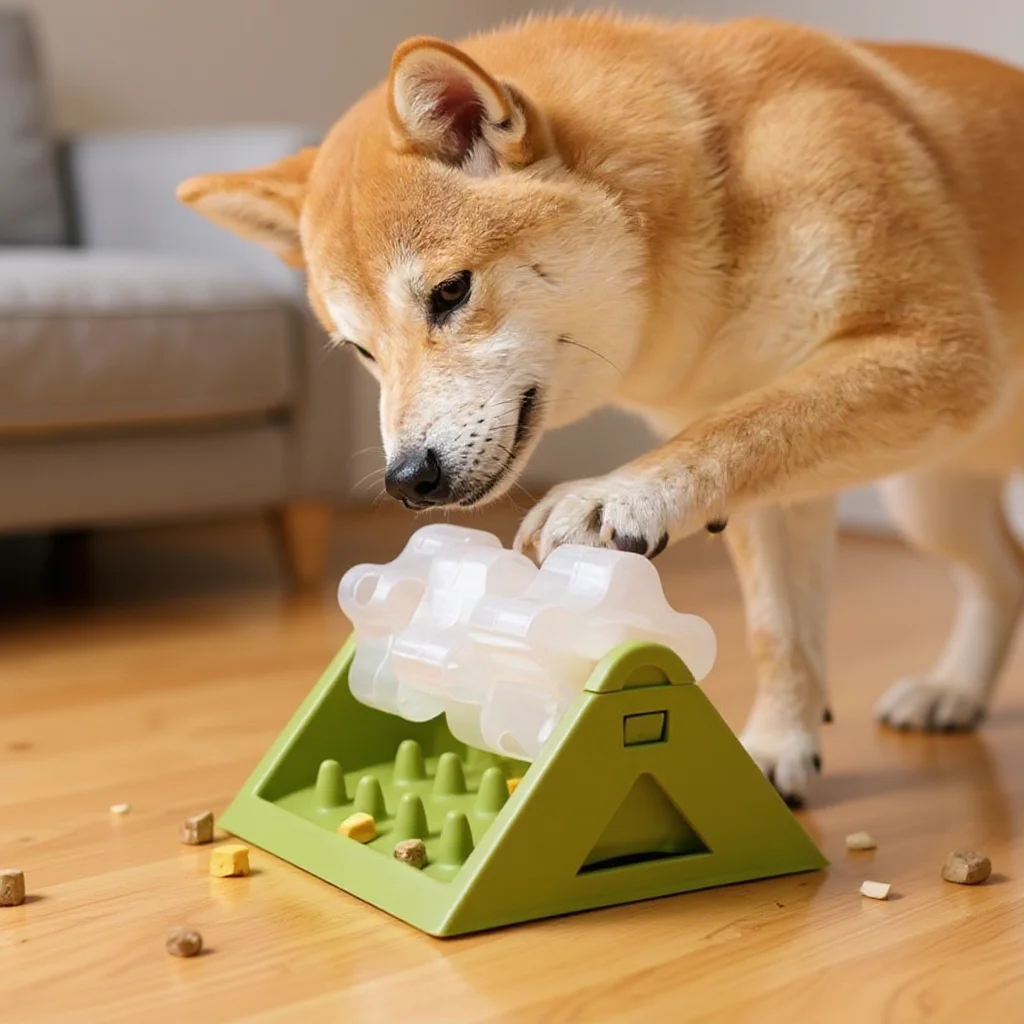
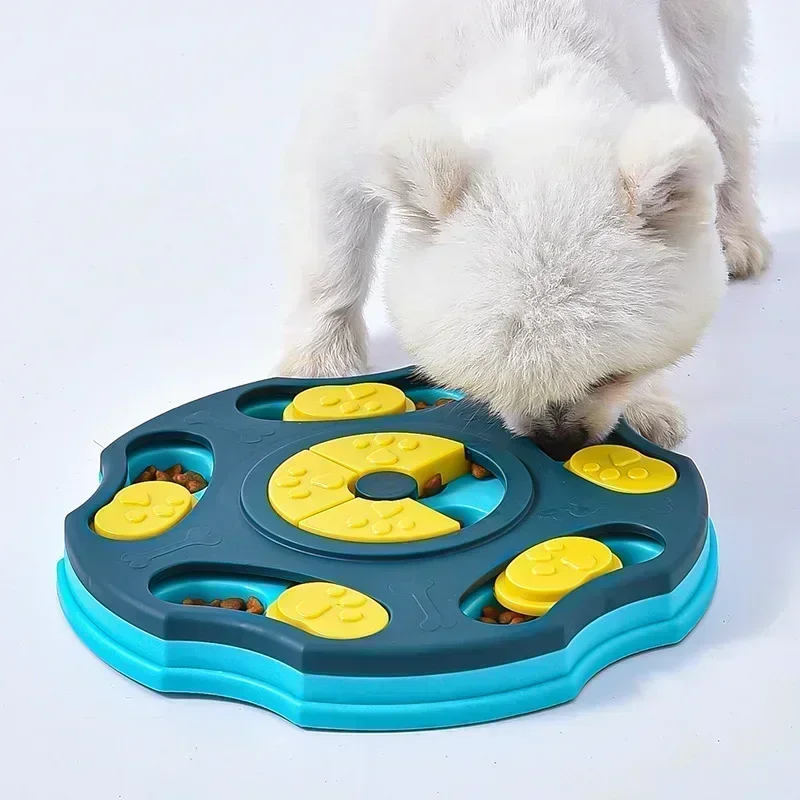
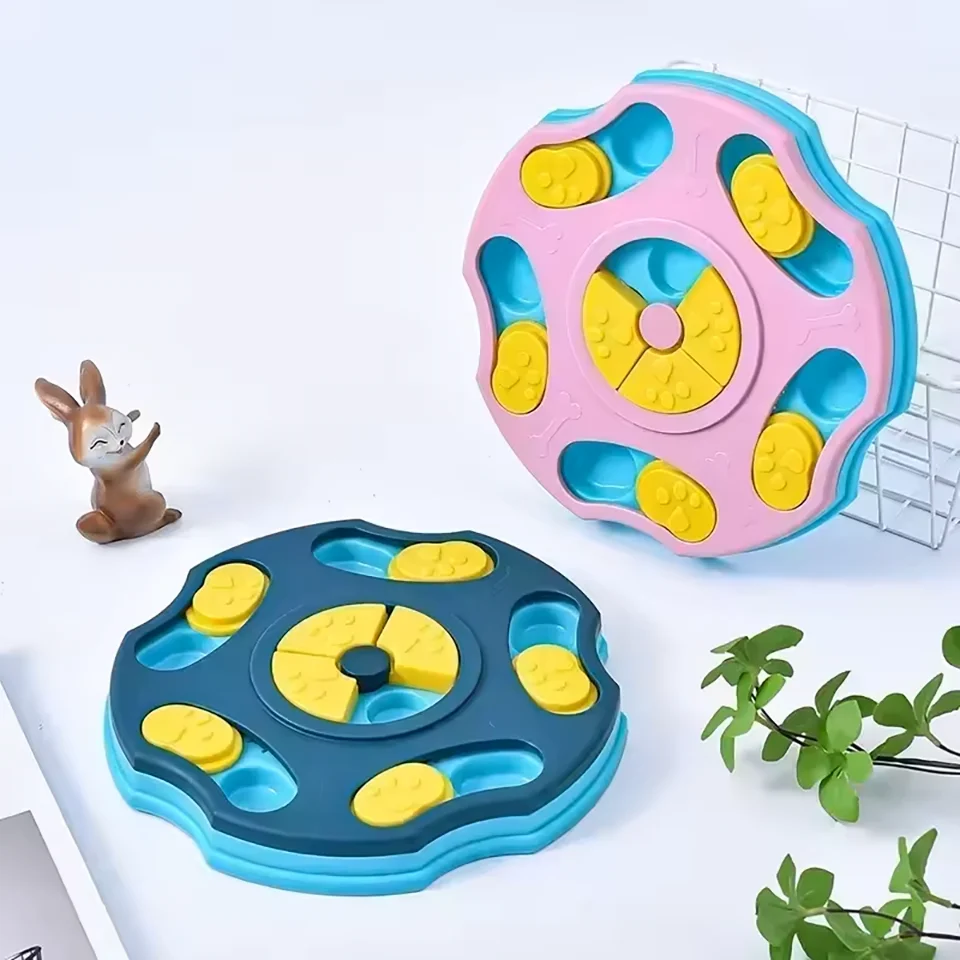
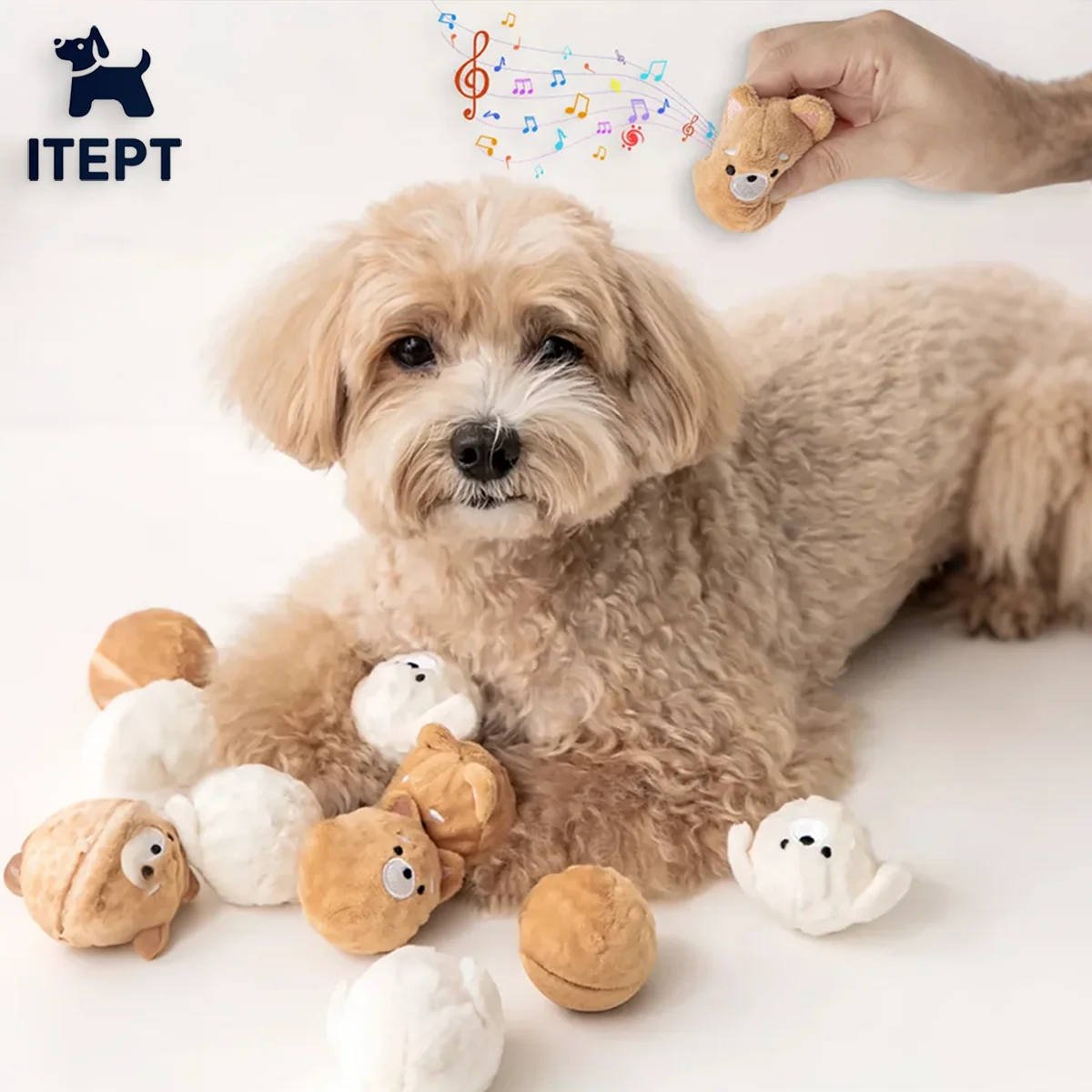
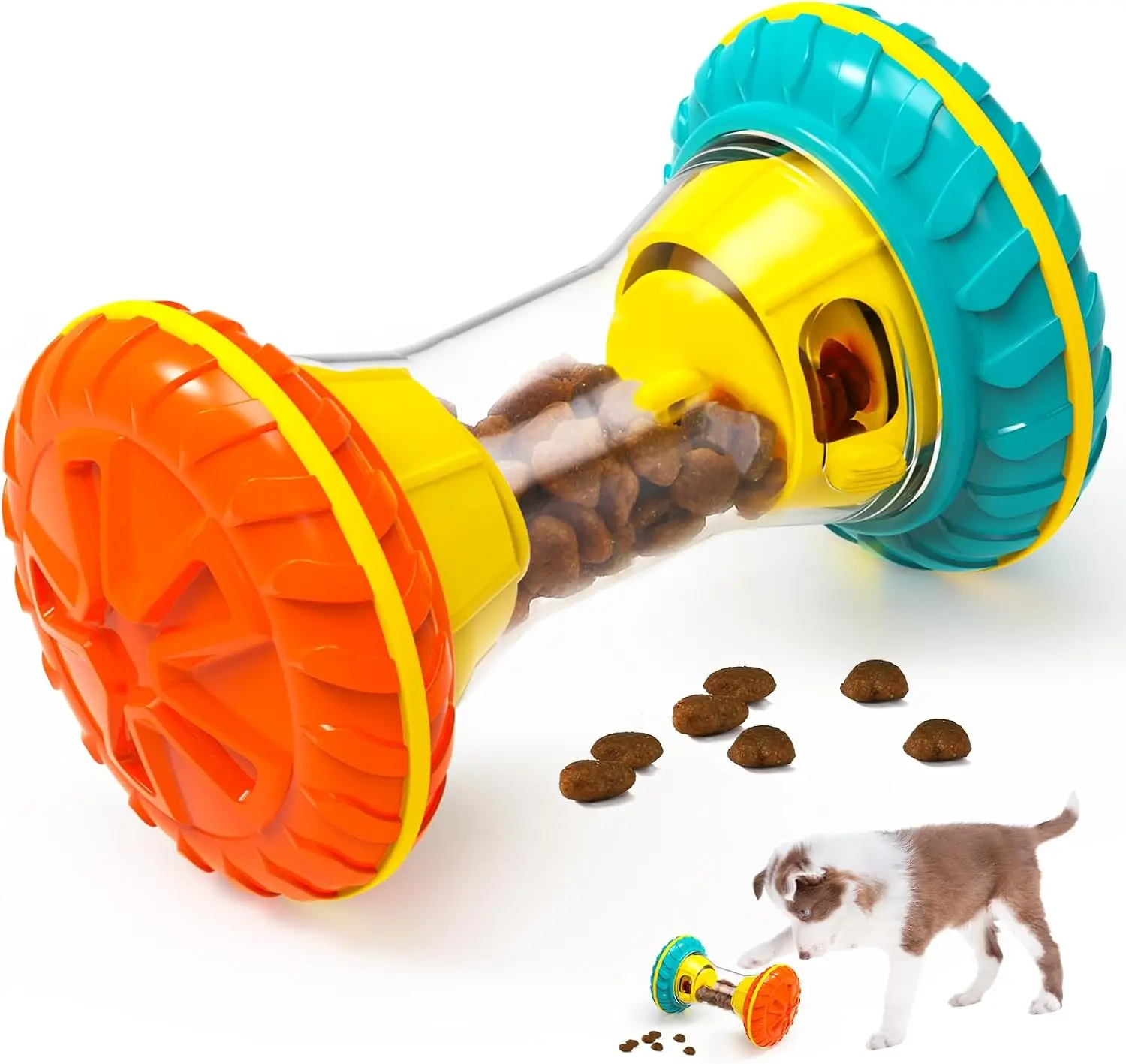
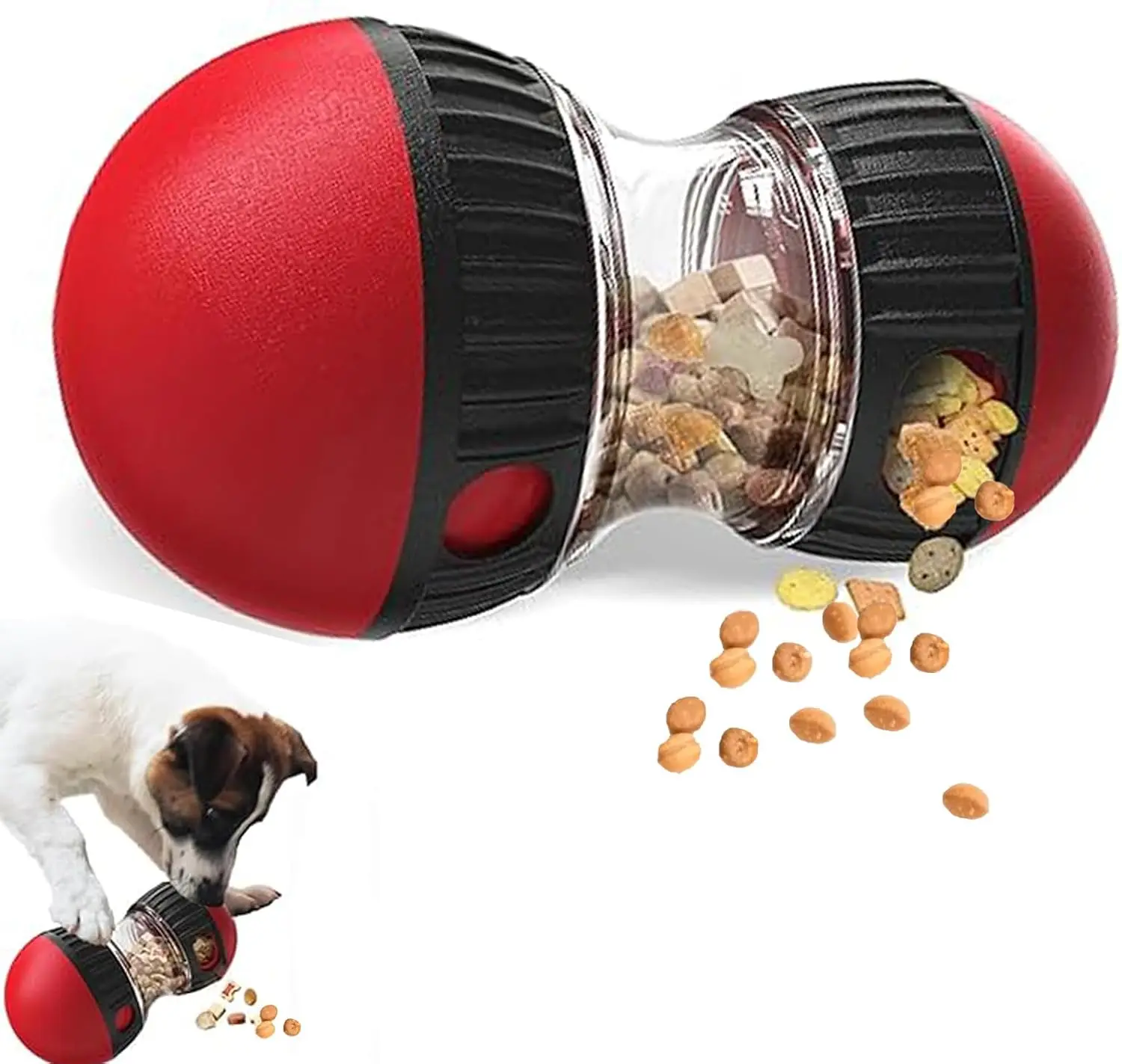
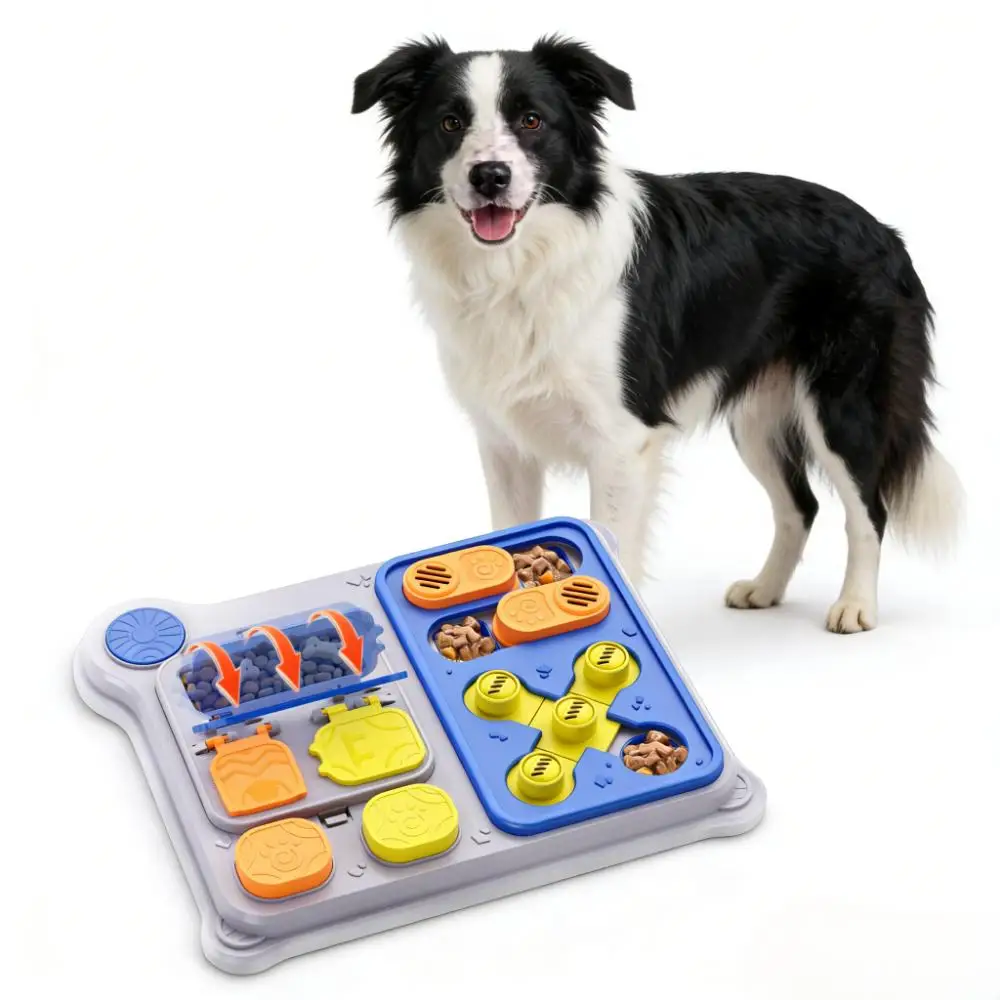
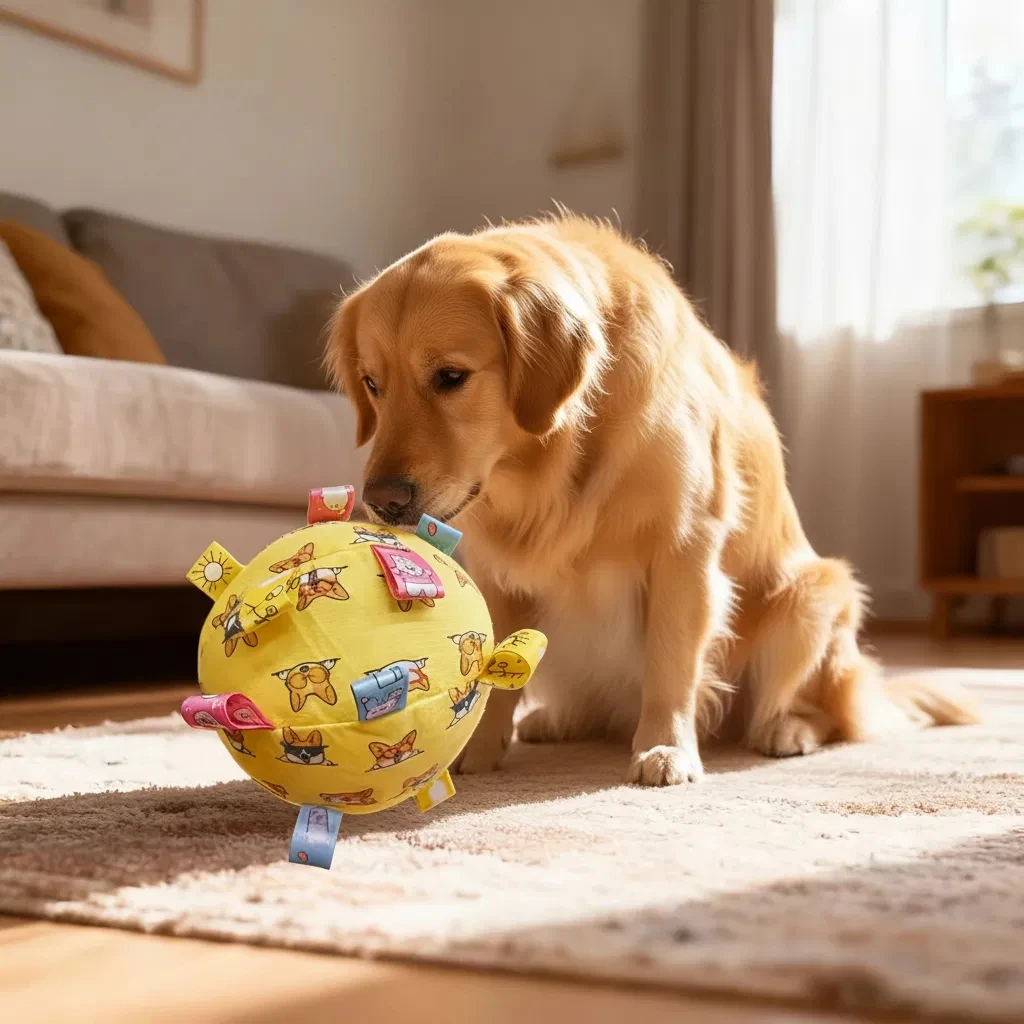
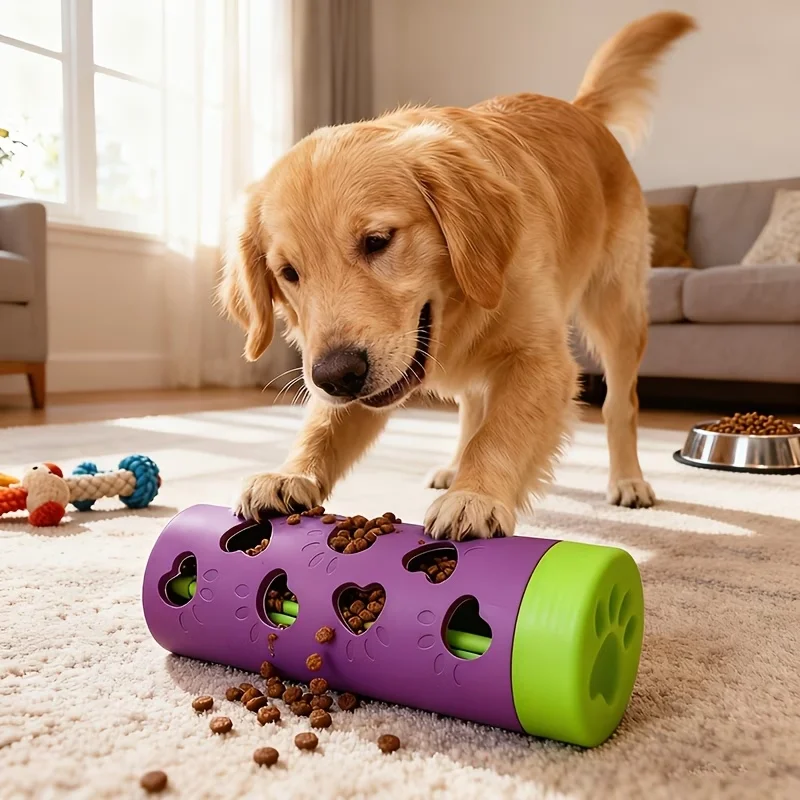
Puzzle toys hide food or treats for your dog to work out, from treat-dispensing balls to slow-feeder puzzle boards and lick mats. Ideal for busy, bored or young dogs, and for slowing down fast eaters.
Choosing the right toy
- Size: the toy should be too big to swallow. A ball should never fit entirely in your dog's mouth.
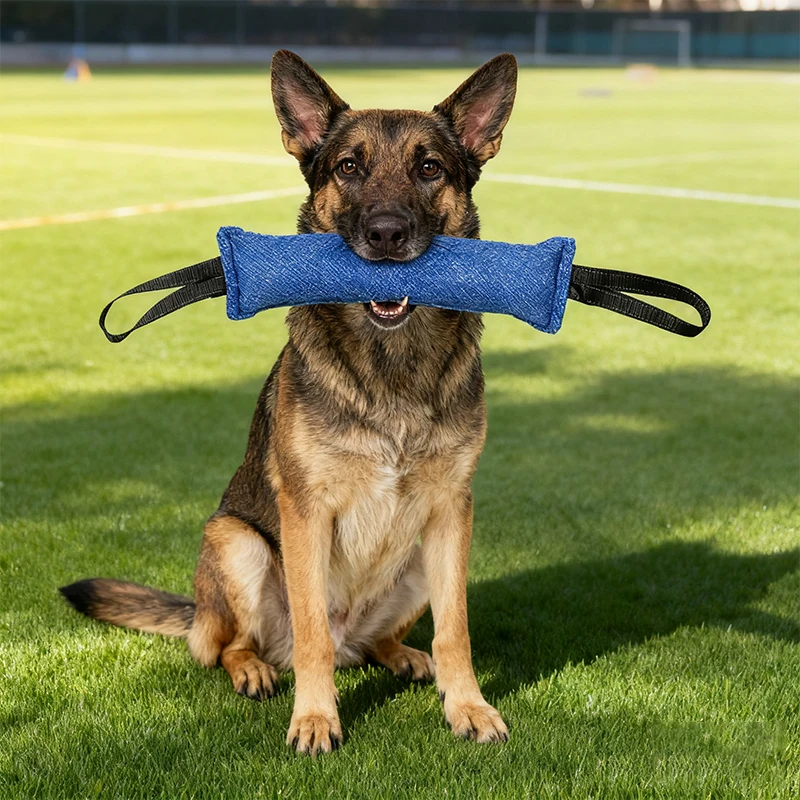
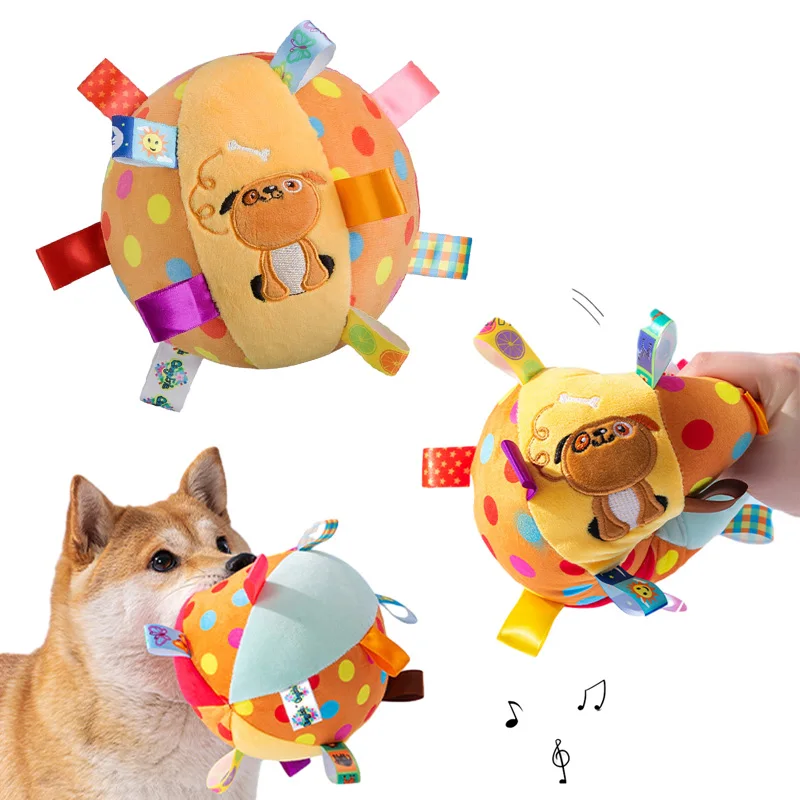
- Strength: strong chewers need rubber or nylon; gentle dogs and puppies enjoy plush.
- Age: puppies need softer toys for teething; older dogs often like puzzle toys that are easy on the teeth.
- Variety: keep a few out and swap them over every week or so, so they stay interesting.
Keeping toys safe
Supervise your dog with a new toy until you know how they play with it, and take away any toy that's breaking up, especially squeakers and stuffing. Wash plush and rope toys now and then, and rubber toys in warm, soapy water.